
USA Celebrates gold

MILAN -- The moment will live forever in American hockey history.

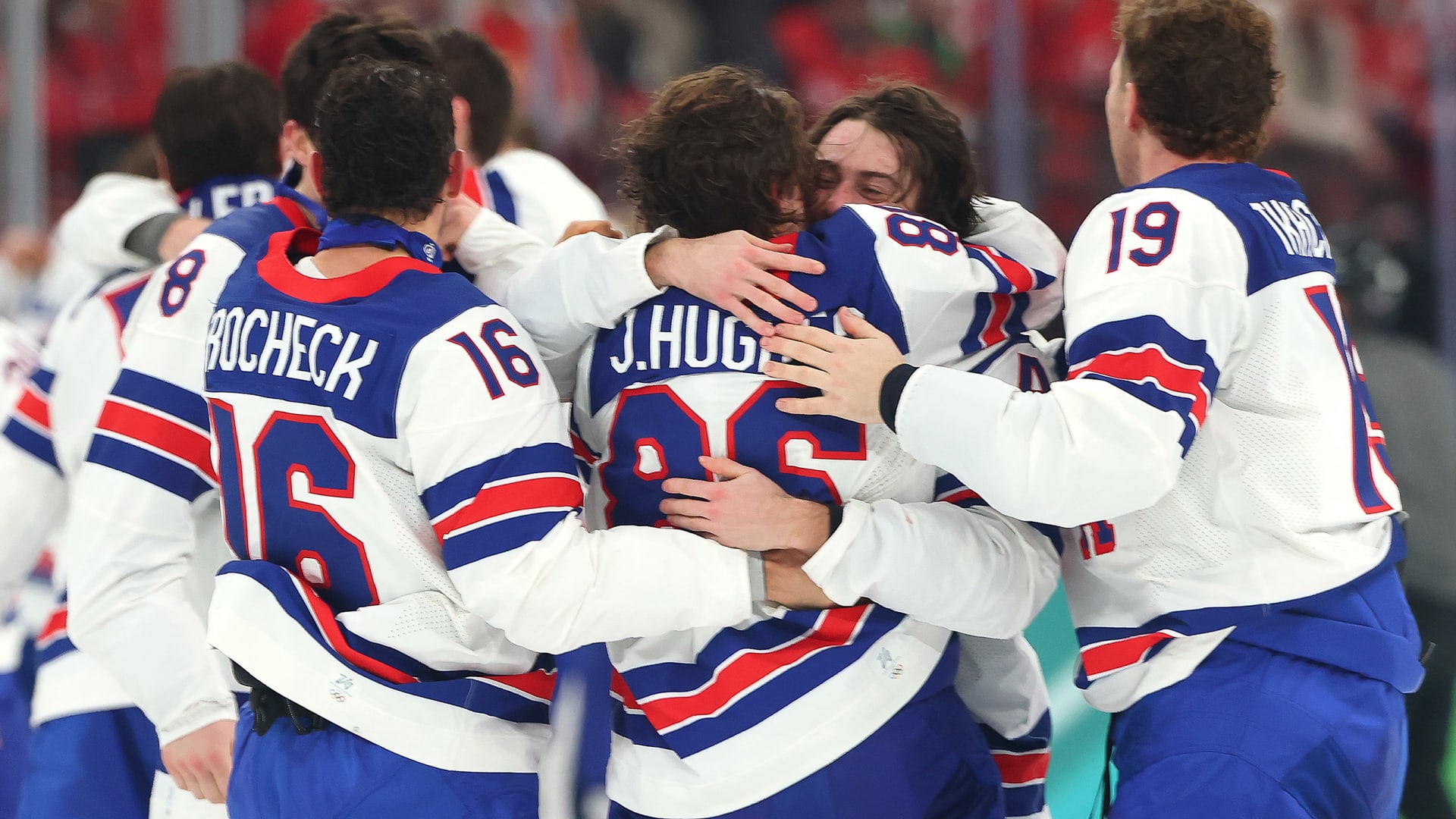
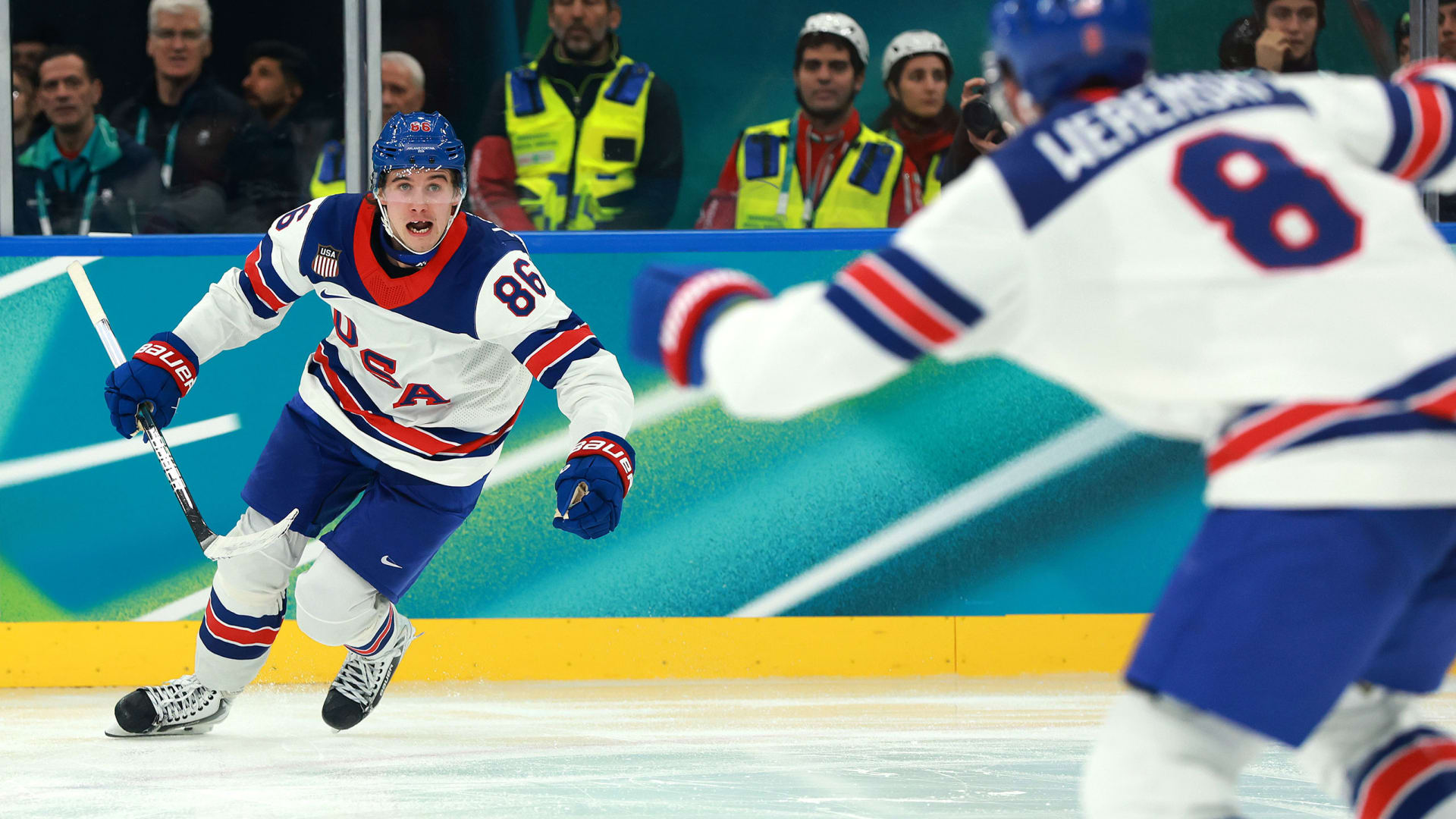
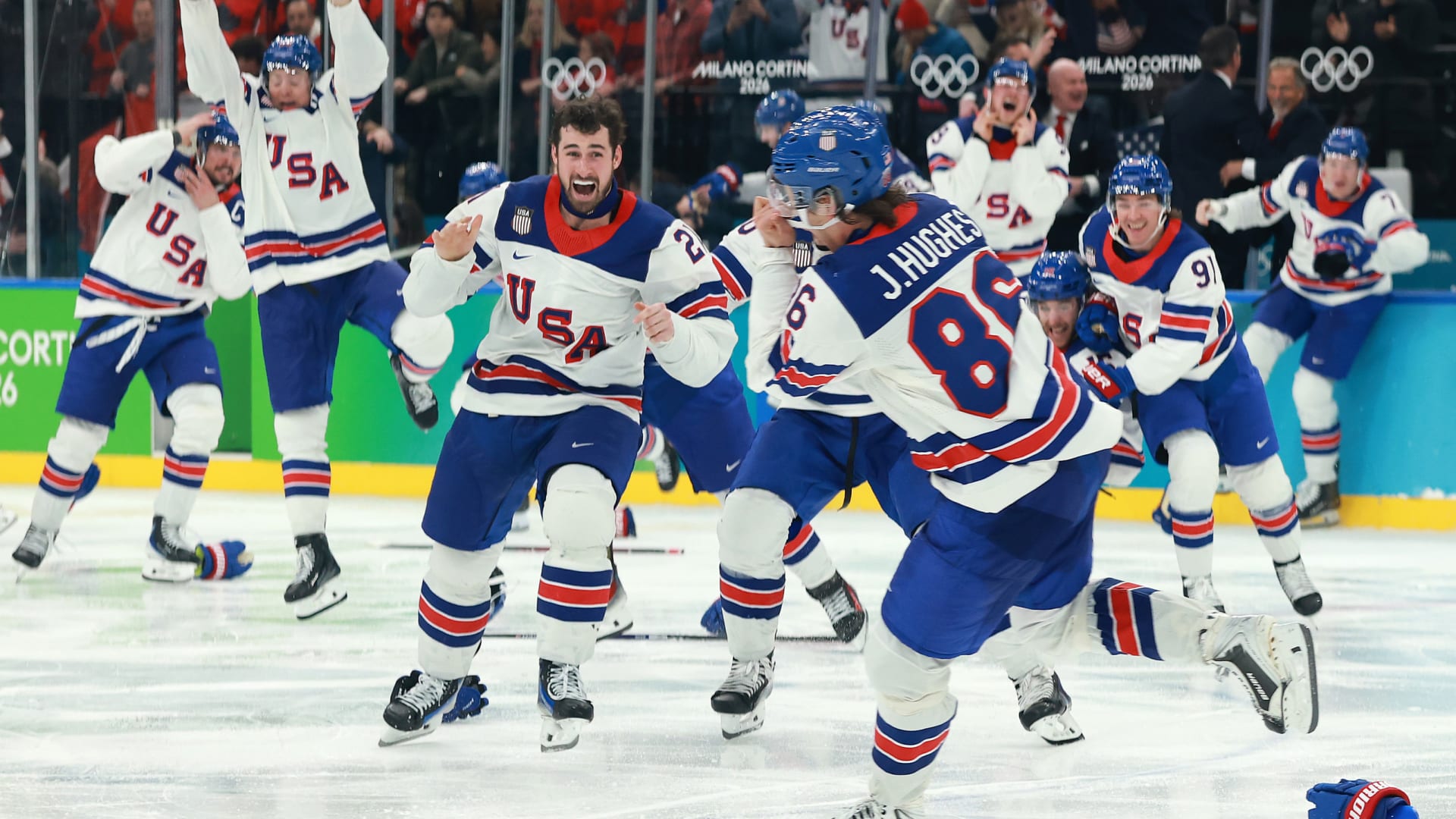
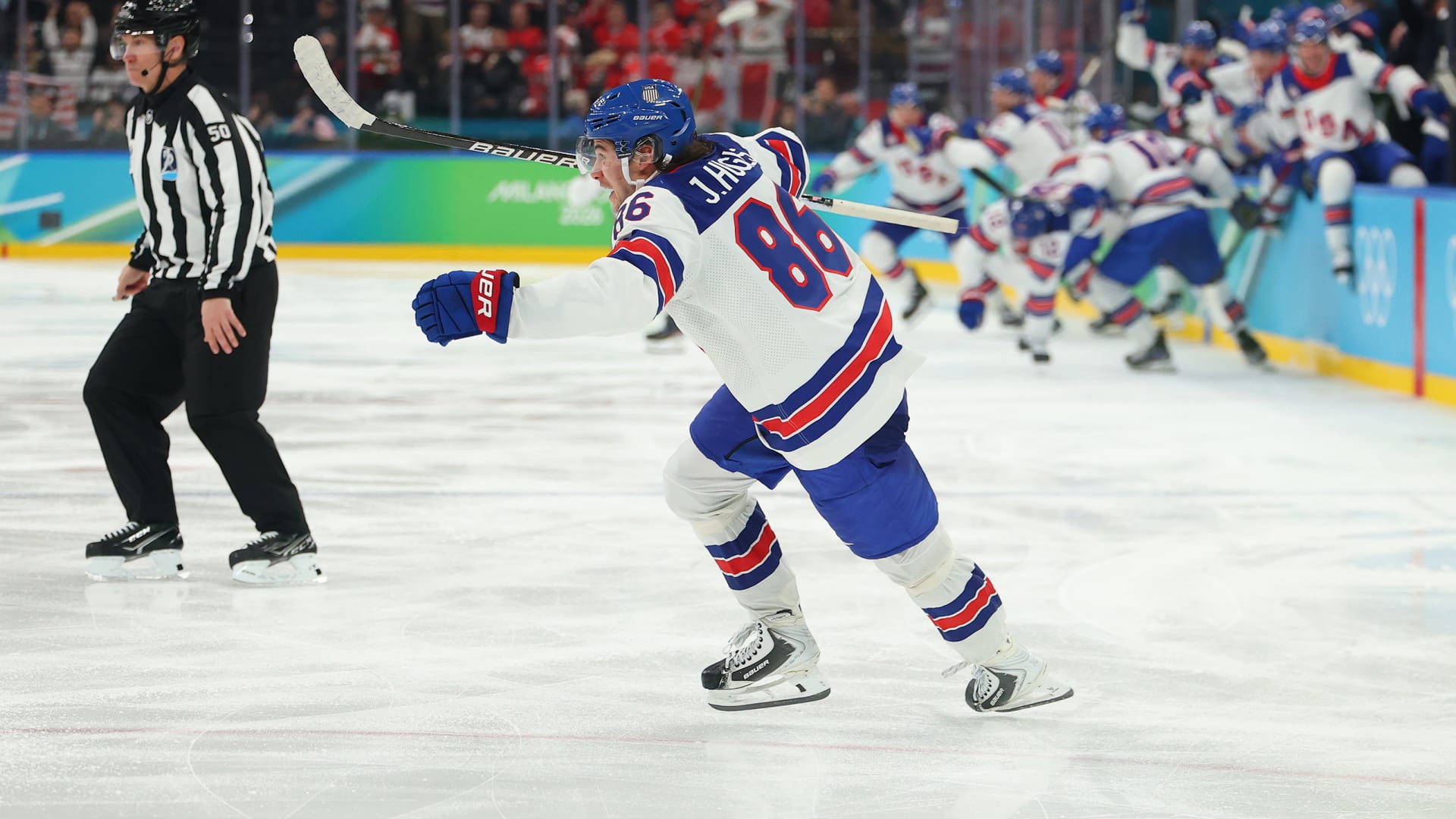
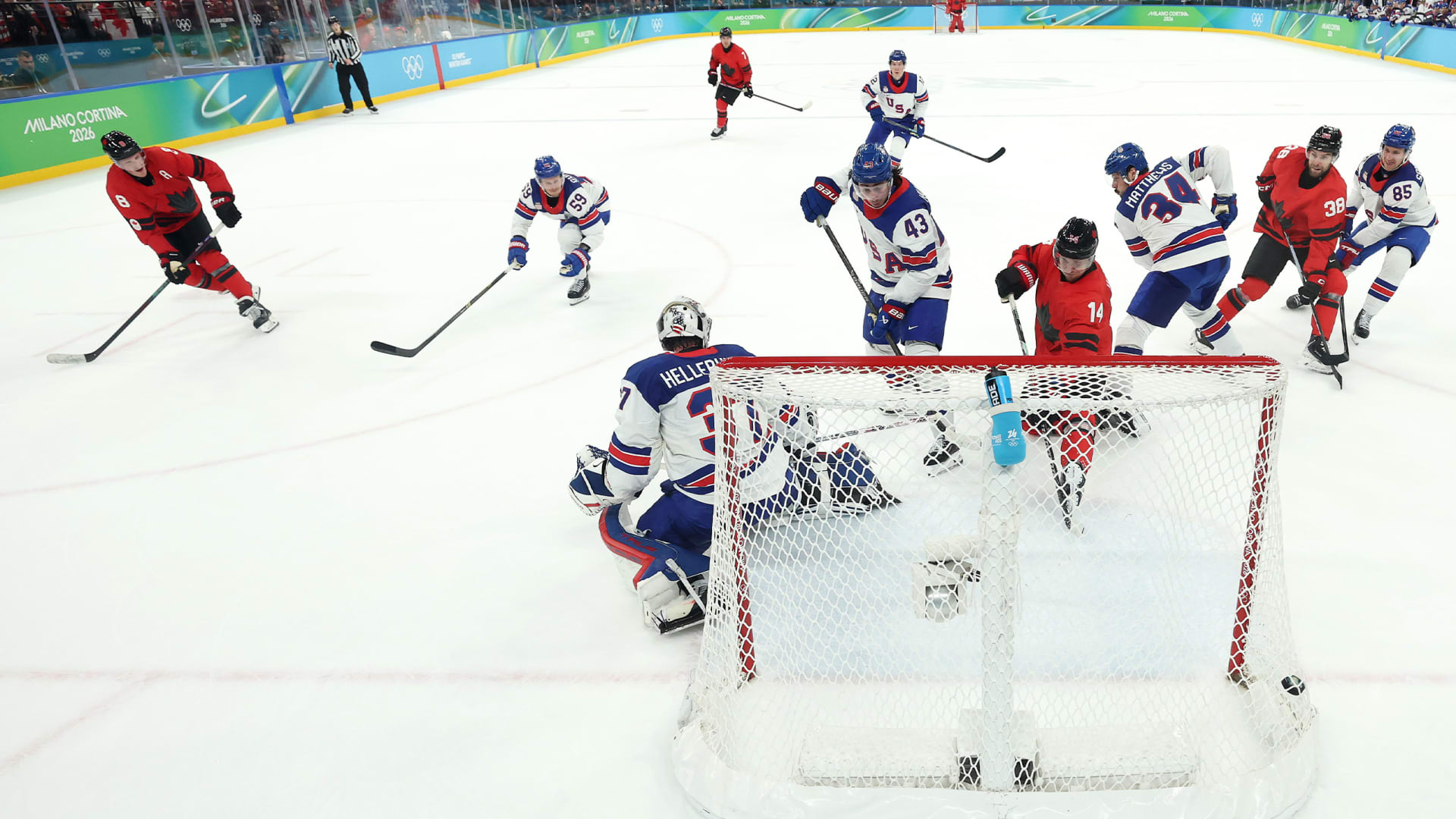
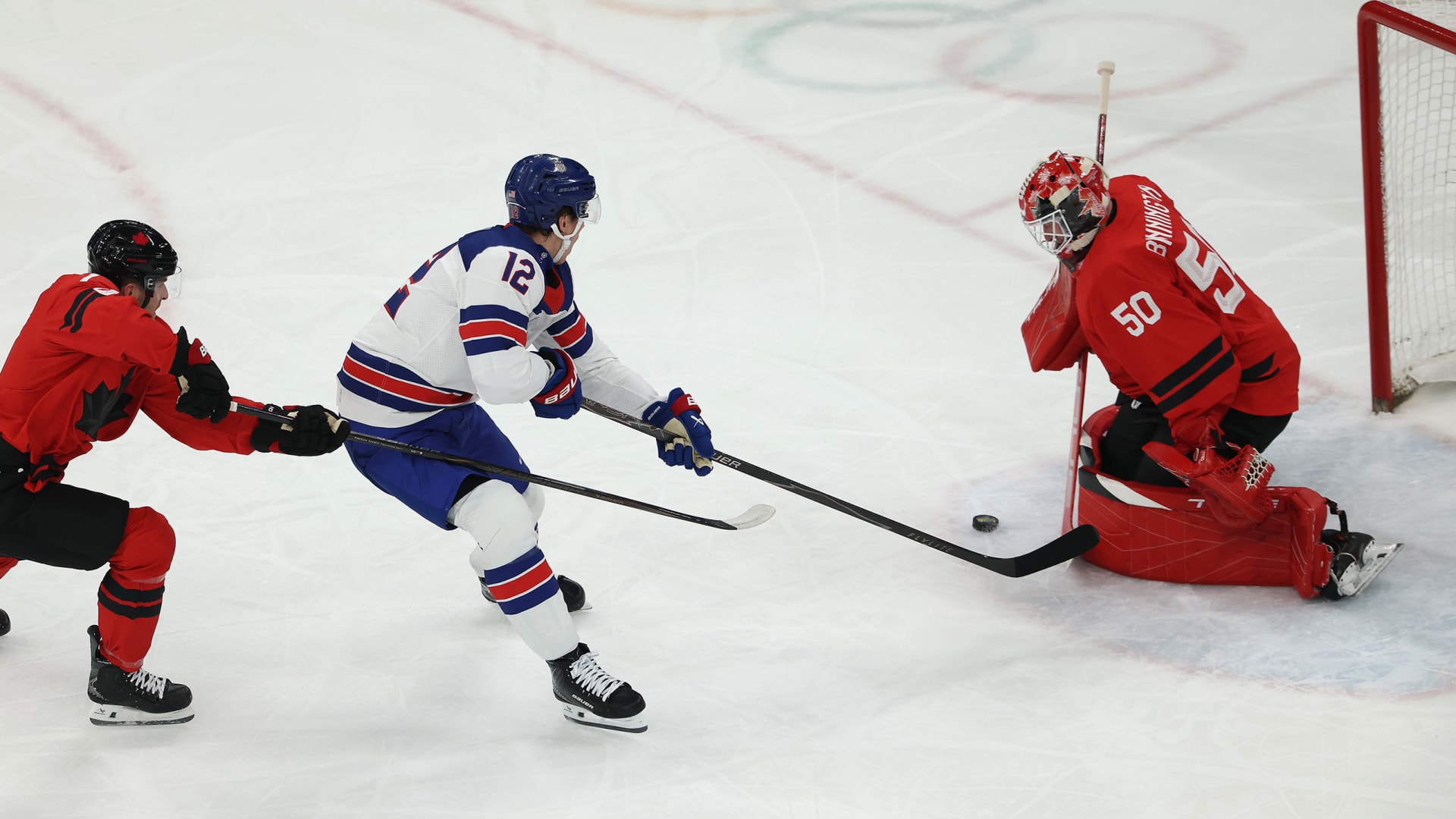
Jack Hughes received a pass from Zach Werenski in the left circle, then fired the puck under the left pad of goalie Jordan Binnington at 1:41 of overtime. The Team USA bench emptied, gloves and sticks exploding into the air like fireworks on the Fourth of July. The players mobbed each other as “Free Bird” by Lynyrd Skynyrd blared from the loudspeakers.

They did it.

They overcame Team Canada 2-1 to win the gold medal at the Olympic Winter Games Milano Cortina 2026 at Santagiulia Arena on Sunday. In the first Olympics with NHL players in 12 years, the United States won a best-on-best tournament for the first time since the World Cup of Hockey in 1996 and Olympic gold in men’s hockey for the first time since 1980.

“It feels like it’s been too long,” U.S. captain Auston Matthews said. “Over the last 10, 15 years, there’s been a very big upcharge of American hockey players coming through in the NHL that are world-class players. This is the first time in my NHL career that we’ve been able to compete in the Olympics, and … I think it meant a lot to us to have that opportunity to kind of put USA Hockey back on the map, and we did that. The goal was to come here and win the gold medal, and we did that.”

For so long, the Americans had been so close. They lost to Canada 5-2 in the gold medal game of the 2002 Salt Lake Olympics, 3-2 in overtime in the gold medal game of the 2010 Vancouver Olympics, 1-0 in the semifinals of the 2014 Sochi Olympics and 3-2 in overtime in the championship game of the 4 Nations Face-Off last season.

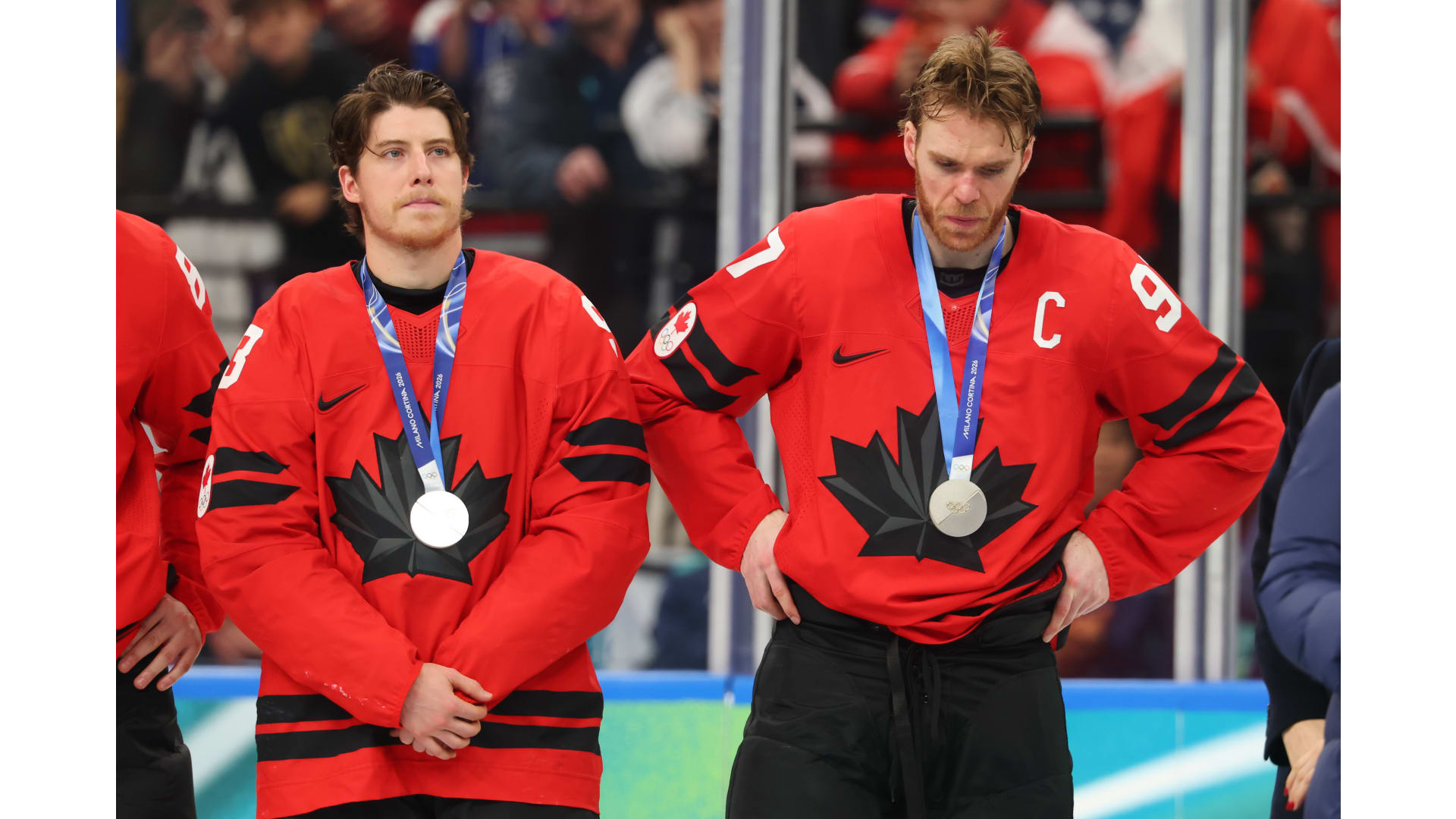
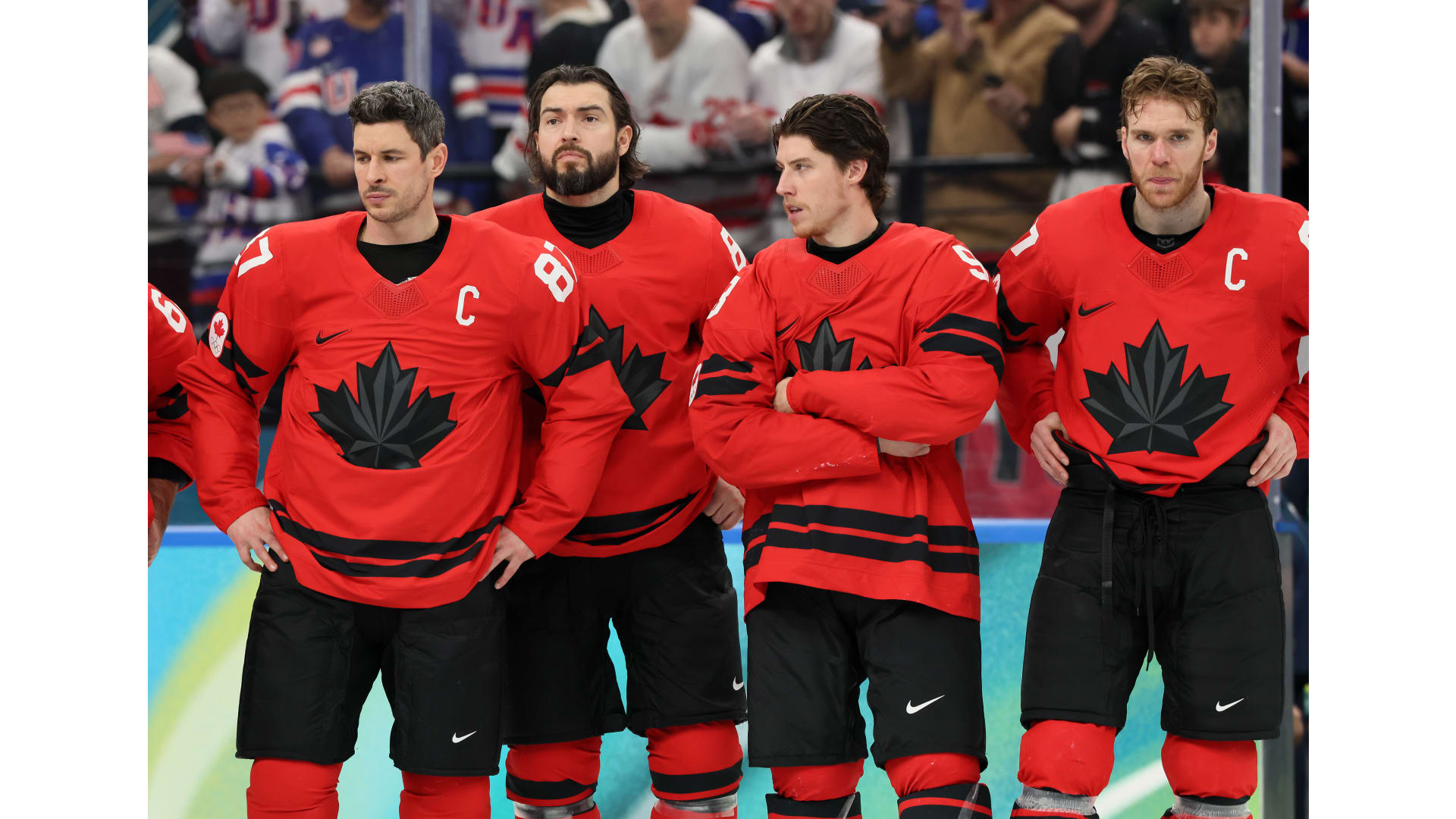
This time, Team Canada outshot Team USA 42-28 and had many scoring chances even without captain Sidney Crosby, who couldn’t play due to a lower-body injury. Forward Nathan MacKinnon, one of the top scorers in the NHL, had an open net from a sharp angle with the score 1-1 in the third period, and he fired it off the outside of the left post.

“Some days, it’s just not meant to be, and unfortunately, it wasn’t meant to be today,” Canada coach Jon Cooper said. “But it wasn’t because this team stubbed their toe. They were exceptional.”

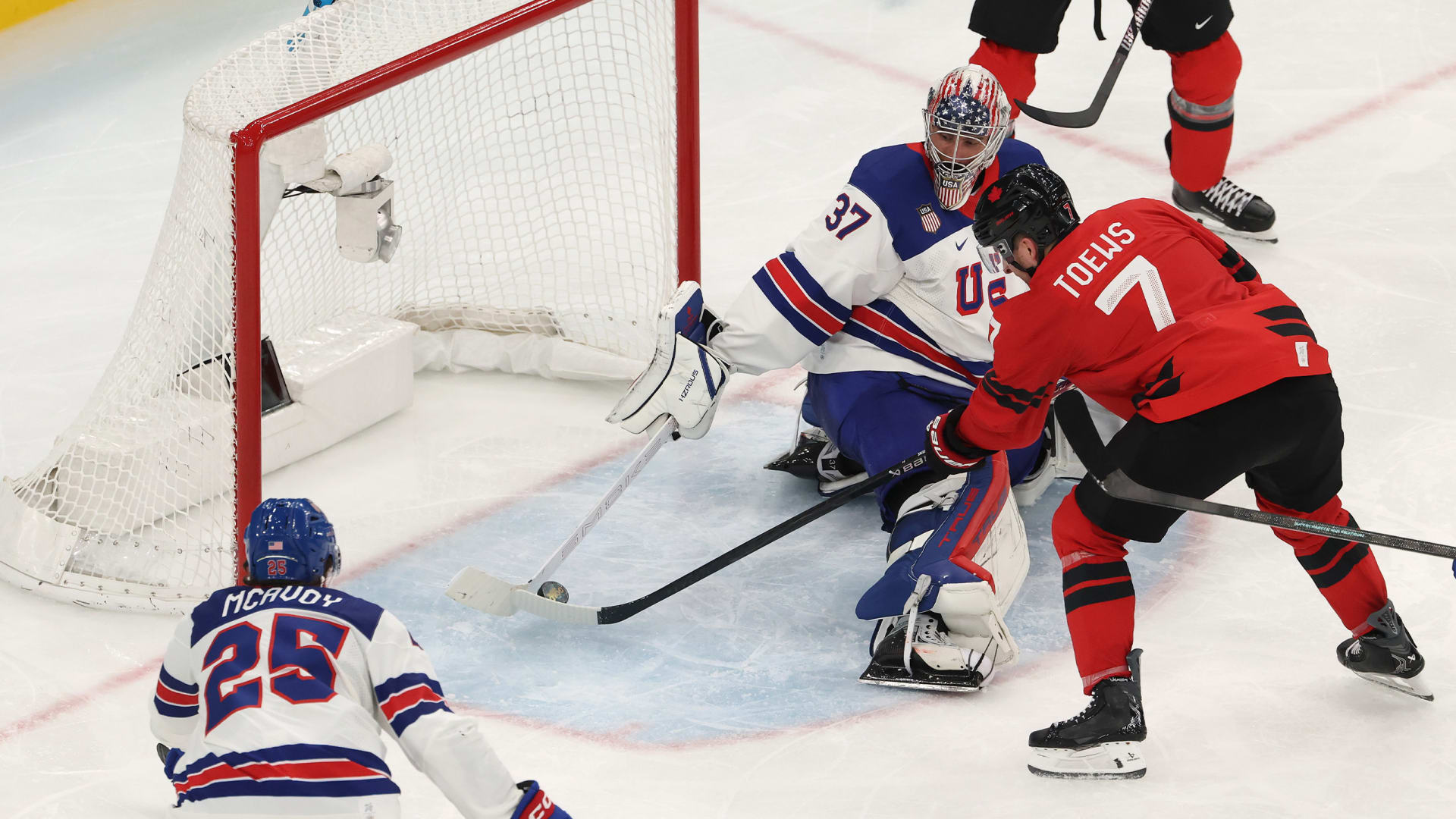
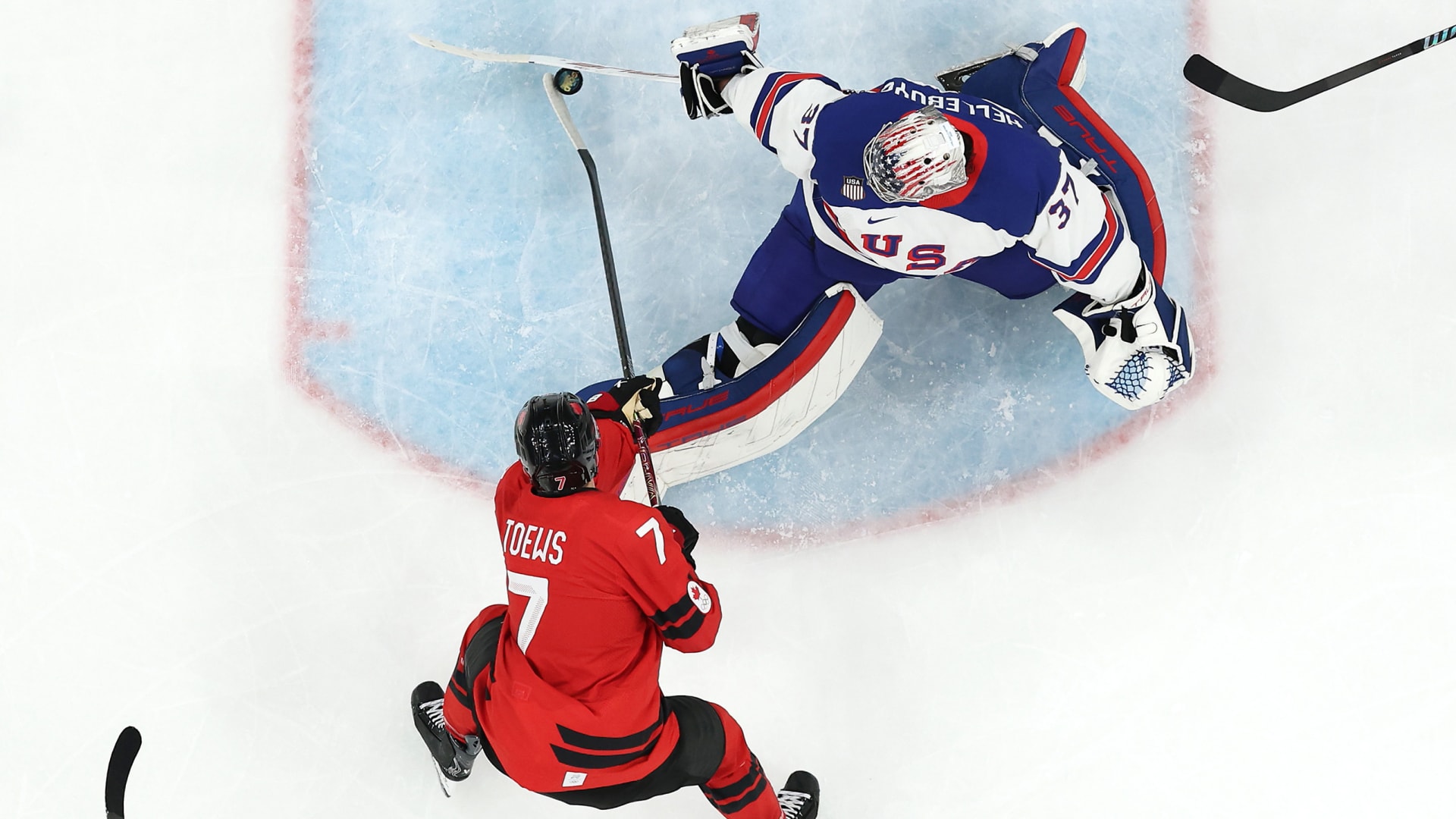
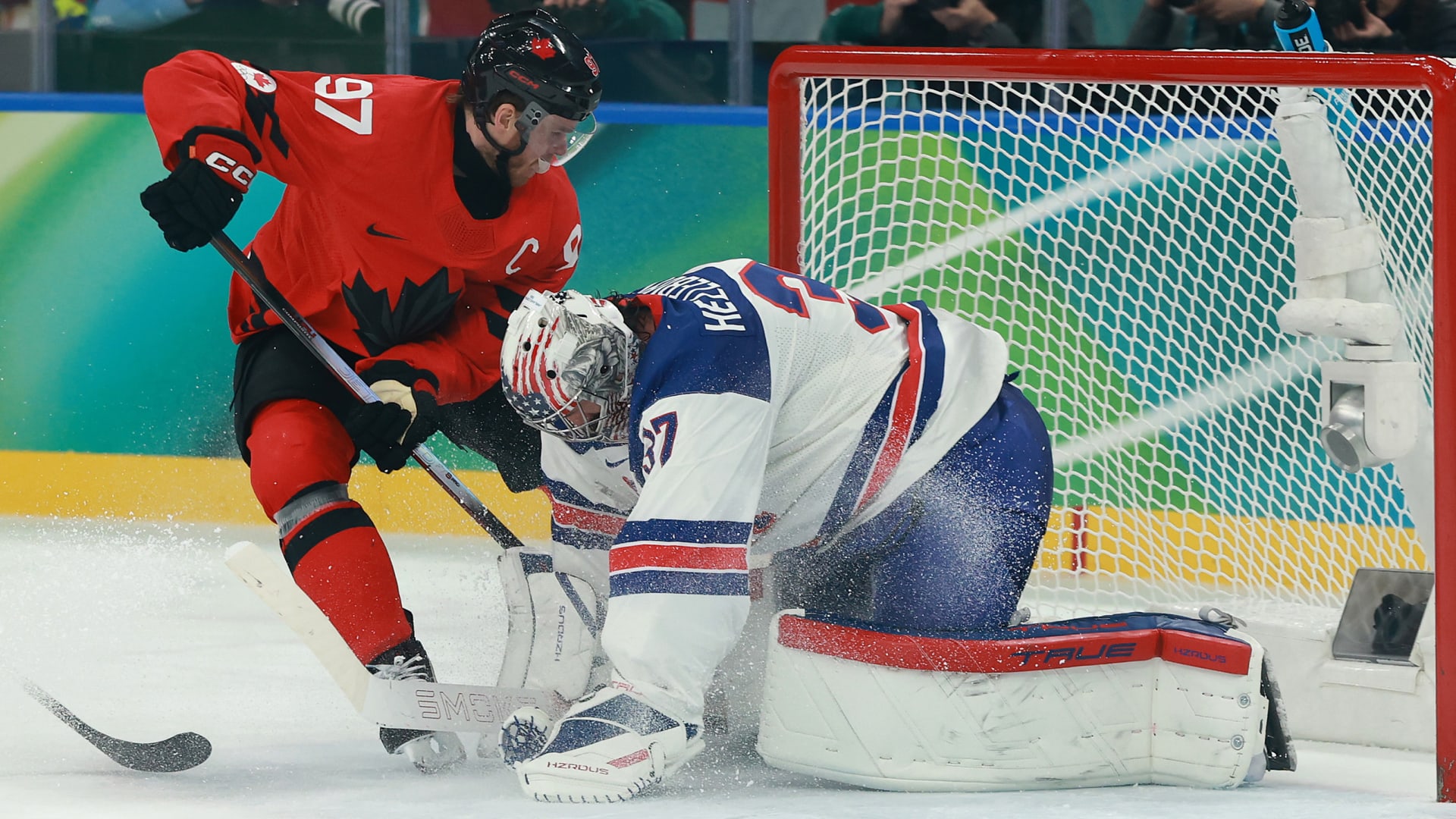
The Americans finally broke through thanks largely to goalie Connor Hellebuyck, who made 41 saves. He stopped breakaways by Connor McDavid and Macklin Celebrini, two more of the top scorers in the NHL. He also reached back with his goalie stick to keep Devon Toews from scoring into an open net.

Helly save 2

“We’re going to be talking about this performance for generations,” U.S. forward Matthew Tkachuk said. “It was an all-time performance from a superstar at his position. It’s going to go down as one of the best performances of all time. It has to. … If we don’t have him, we don’t win.”

This was validation for Hellebuyck. Last season, he was voted the winner of the Vezina Trophy as the League’s best goalie for the third time and the winner of the Hart Trophy as the NHL’s most valuable player. But he has struggled in the Stanley Cup Playoffs for the Winnipeg Jets. Some wondered if he could win the big one.

Well, he just won gold.

“These are the moments that prove it,” Hellebuyck said. “Not that I need to.”

U.S. coach Mike Sullivan called Hellebuyck a “hero” and “a high-stakes player in a high-stakes environment.”

“I think that’s when players build their legacy,” he said, “and Connor certainly did that.”

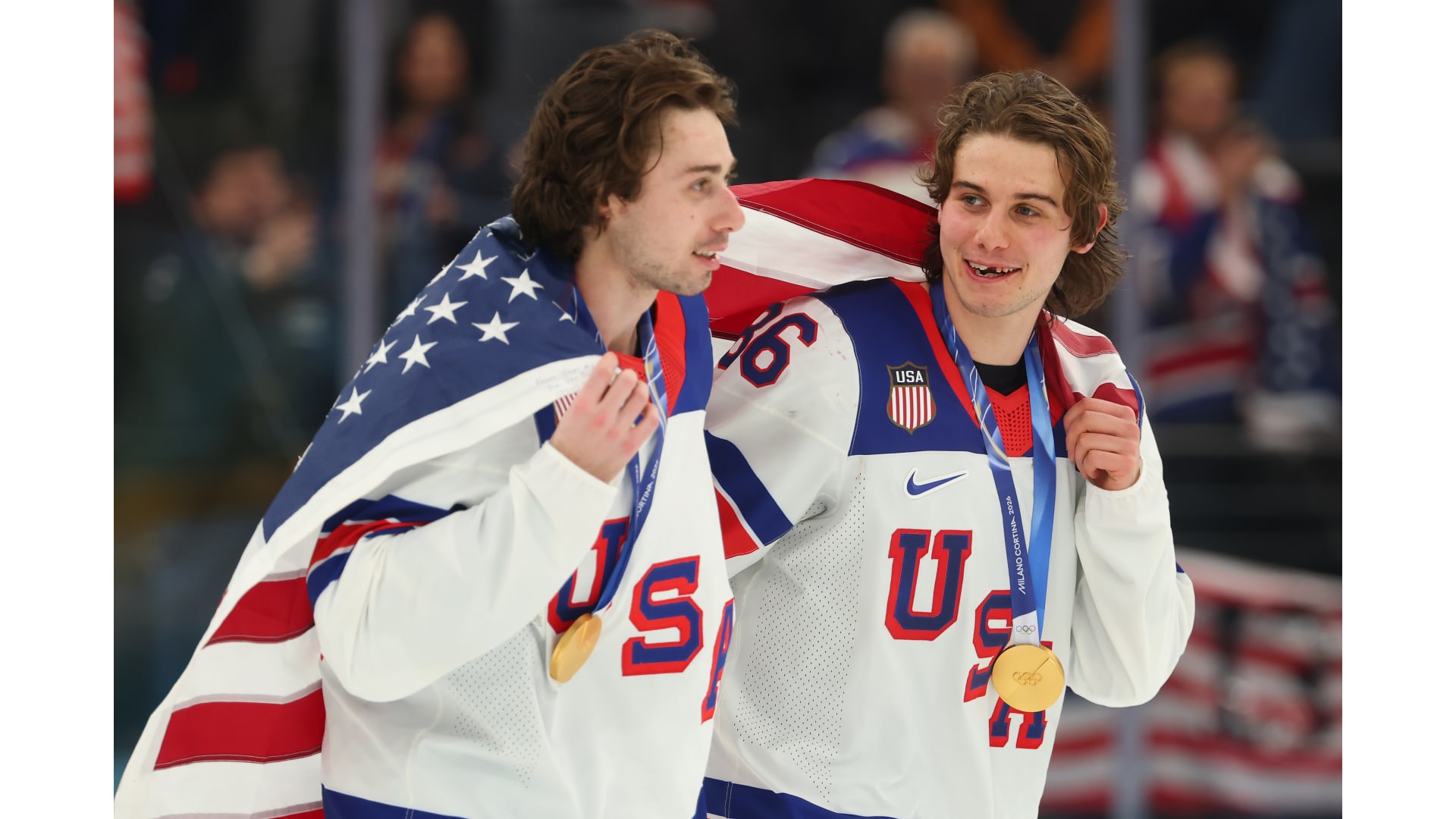
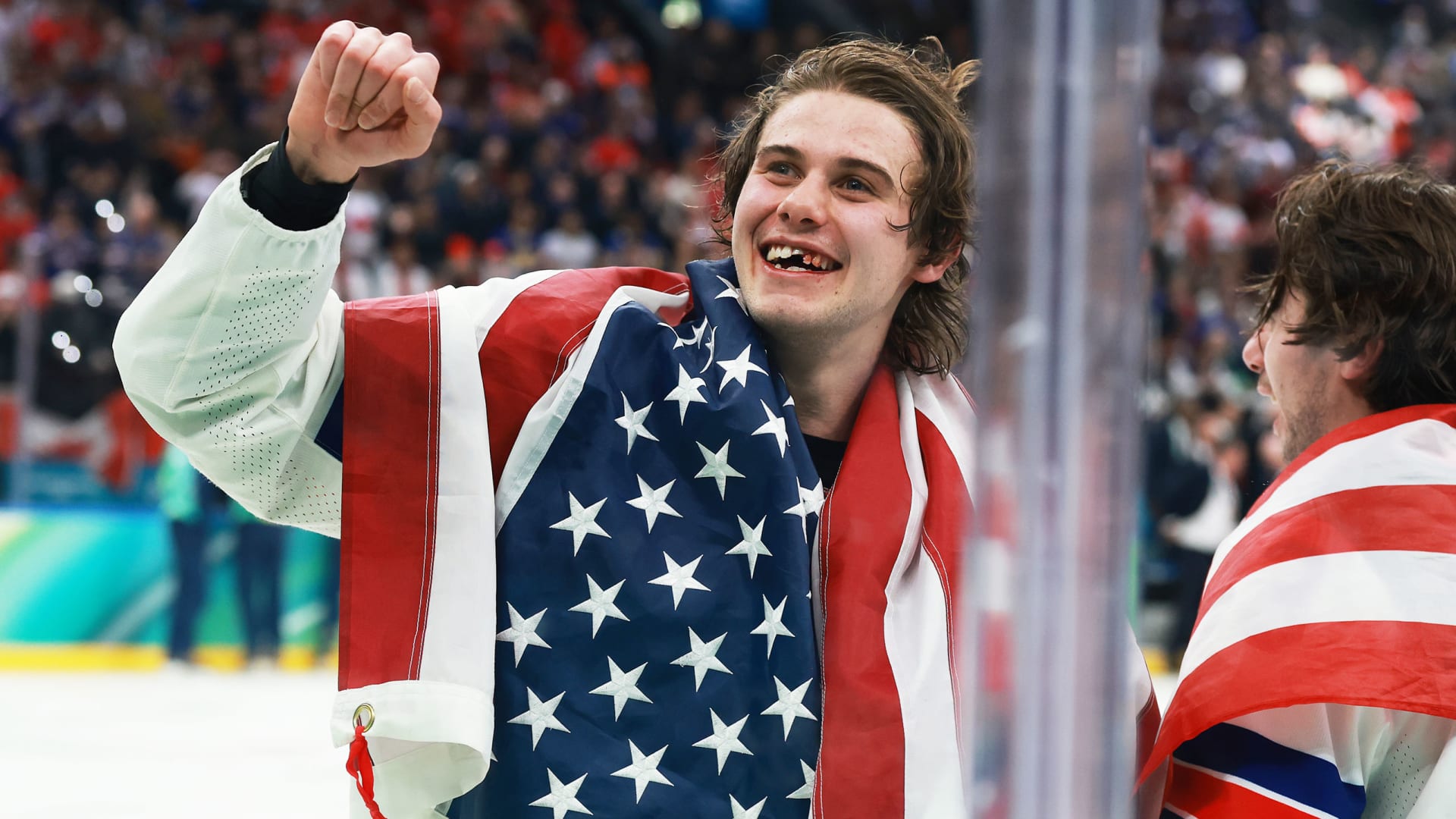
This was validation for Hughes. The forward has struggled with injuries and criticism with the New Jersey Devils. He started this tournament on the fourth line, but he accepted his role and excelled. In the gold medal game, he took a stick in the mouth and looked for his teeth on the ice, then took a high-sticking penalty of his own late in the third period.

And then he delivered the winning goal. He flashed his broken teeth with a bloody smile.

“It speaks volumes to the type of person he is, the type of player he is,” said U.S. defenseman Quinn Hughes, his brother. “Yeah, just an incredible moment.”

This was validation for U.S. general manager Bill Guerin and his staff too. They were questioned entering the tournament for leaving home some of the top U.S.-born goal-scorers in the NHL. But they valued chemistry, and they slotted players into roles.

Two players some thought shouldn’t have made the team -- forwards J.T. Miller and Vincent Trocheck -- helped the Americans go 17-for-17 on the penalty kill in the tournament. That included a 5-on-3 PK of 1:33 against Team Canada’s fearsome power play in the second period and another PK of 1:11 late in the third.

“The team was built with personality in mind,” Sullivan said. “We were loaded with personality up and down our lineup. There are whiskey drinkers and milk drinkers, and we’ve got a lot of whiskey drinkers on this team.”

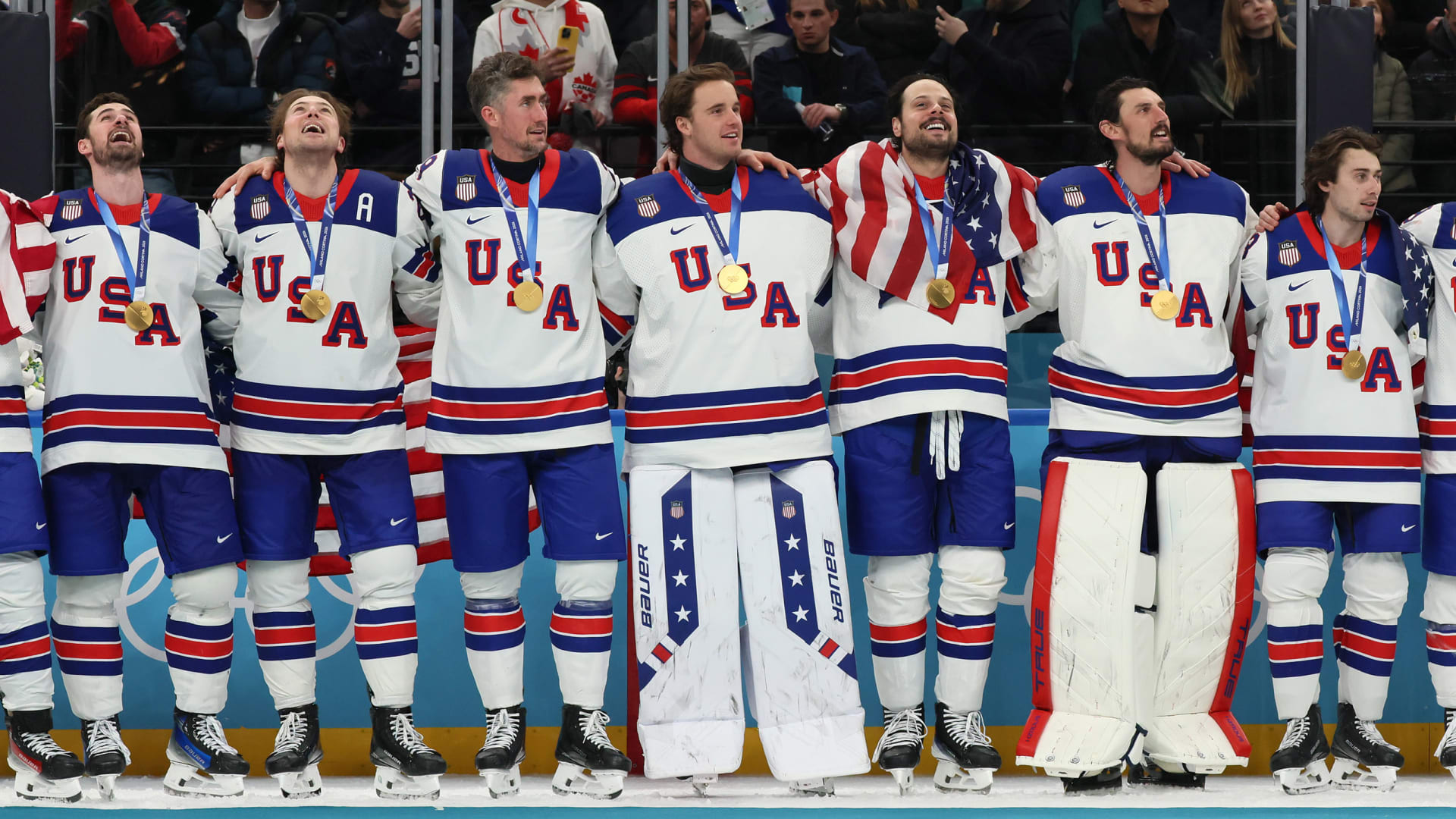
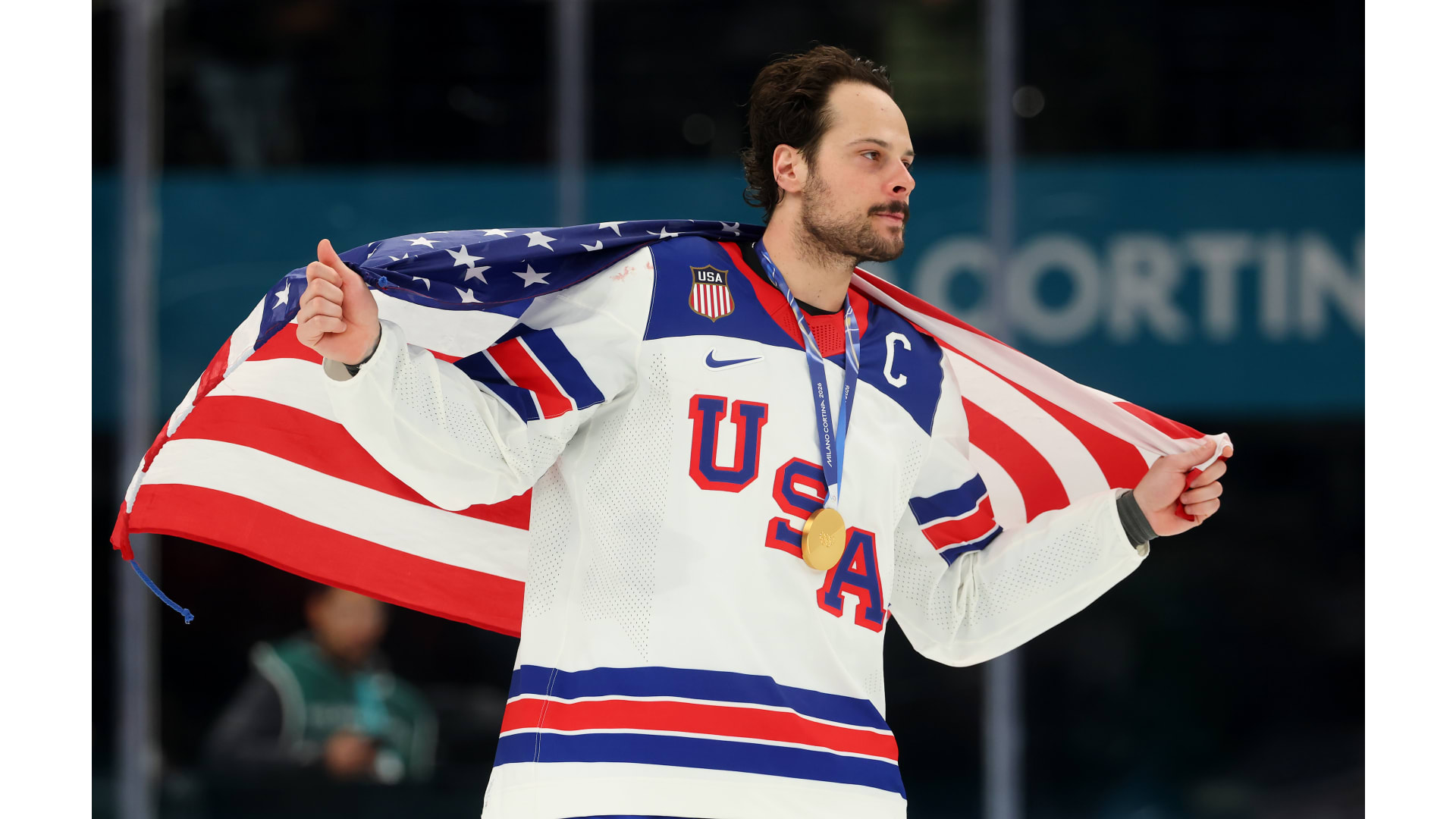
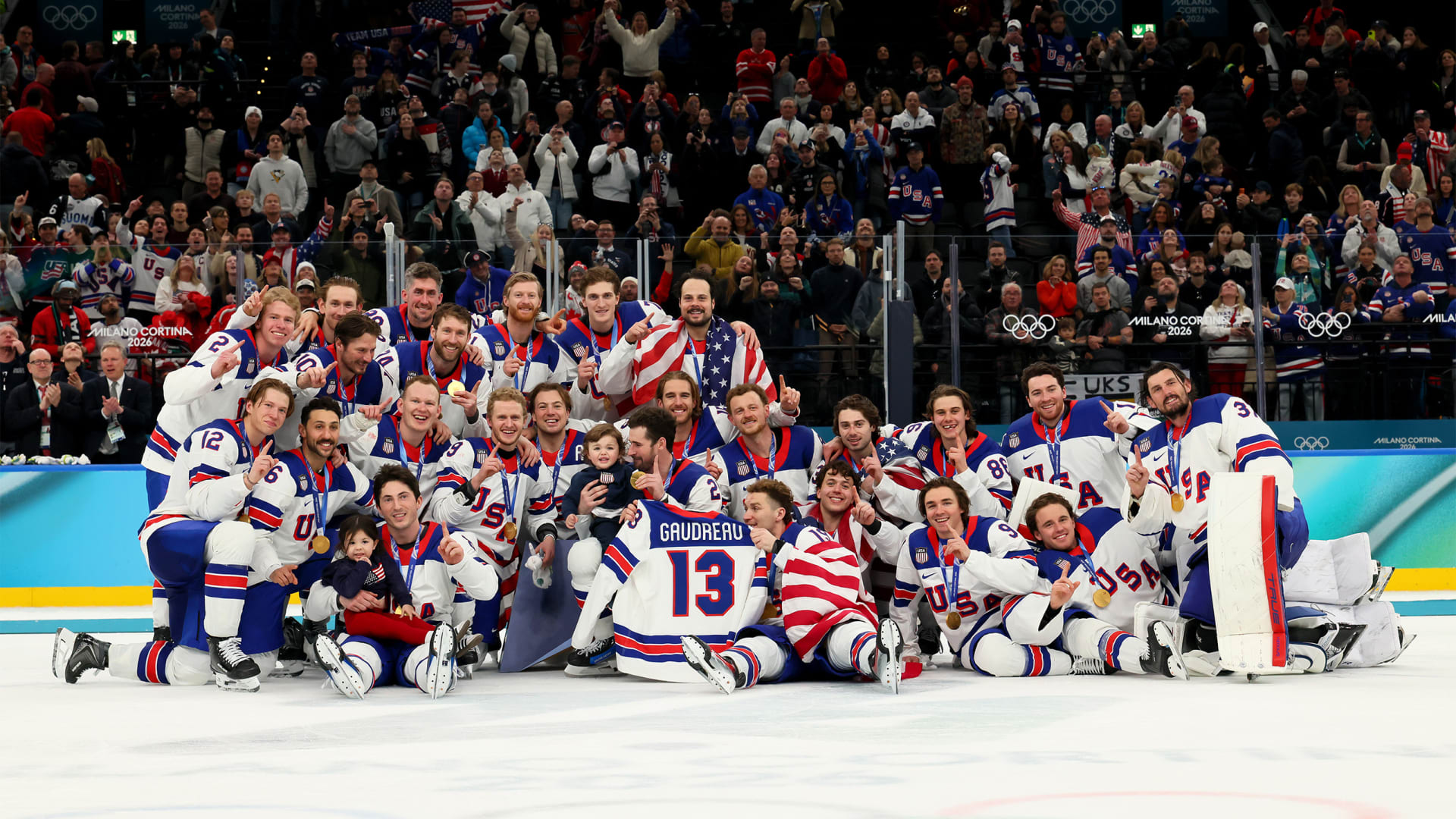
The players carried American flags around the ice, along with the No. 13 jersey of the late Johnny Gaudreau. They received their gold medals, sang the “Star-Spangled Banner” as the American flag rose to the rafters, and spoke to president Donald Trump via videoconference in the locker room.

“This game in a lot of ways was an inspiration to our country,” Sullivan said.

It will inspire the next generation of hockey players in the United States, the way the “Miracle on Ice” team did in 1980, the way the World Cup team did in 1996, leaving a legacy for this group of Americans.

“We’re going to hopefully create some more superstars that want to not just play hockey but want to represent the United States of America,” U.S. forward Brady Tkachuk said. “This is one of the greatest feelings I’ve ever had. Just to do it alongside everybody here, this is so special.”

Related Content