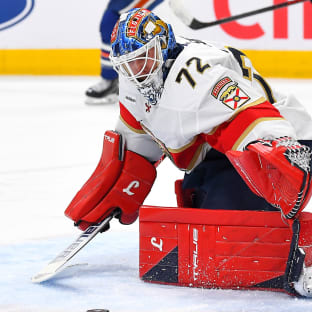


The Coaches Room is a regular feature throughout the 2025-26 season by former NHL coaches and assistants who turn their critical gaze to the game and explain it through the lens of a teacher. In this edition, Dan Lambert, former assistant with the Buffalo Sabres, Nashville Predators and Calgary Flames, discusses the key to defending a lead in the NHL today, which seems more challenging judging by the number of multigoal comeback wins this season (71 in 666 games played entering Tuesday).
When you have the lead, the message from the coaching staff is always that we don’t want to change who we are or how we play. The focus remains on continuing to apply pressure and playing good, solid hockey.
Where teams can get into trouble is when “playing safe” turns into sitting back. When the emphasis becomes simply getting pucks in deep and avoiding risk, players can become stagnant. They stop moving their feet, they hesitate and they end up playing on their heels. That’s often when momentum starts to swing.
There was a time in the NHL when a one-goal lead was enough to lock a game down. That’s no longer the case. The skill level in today’s game is exceptional, and momentum shifts happen far more quickly. A game can change in a matter of minutes.
When you look at three- or four-goal comebacks, special teams are often a major factor. A power-play goal can spark momentum, and suddenly the team with the lead tightens up. Sticks get gripped a little harder, decisions slow down, and that pressure compounds.
Another major change is officiating. There was a time when whistles were put away in the third period. That’s no longer the case. Regardless of the score in a game, penalties are called, and that contributes to momentum swings and allows leads to disappear quickly.
Defending has also changed significantly. You can no longer rely on clutching and grabbing. Skilled players today are fast, strong and dynamic, and they’re given more freedom to play. They use their speed and skill, which naturally leads to more offense and scoring chances.
When protecting a lead, turnovers are the one thing you must avoid. You never want to give your opponent opportunities to get back into the game. They should have to earn their chances, not be handed them.
Coaches certainly reinforce those messages on the bench, but human nature plays a role. When teams fall behind, they play with more urgency. When they’re ahead, players instinctively sit back. That’s why it’s so important to stay assertive while still being responsible with the puck. Being responsible shouldn’t mean being passive.
Late in games, we’re also seeing teams pull their goalie earlier than they used to, largely driven by analytics. The numbers show that pulling the goalie with 2 1/2 minutes left when down by one goal gives you better odds than waiting until the final minute. When teams gain sustained offensive-zone possession, that’s often the trigger to go to the extra attacker.
There are notable examples of how effective this can be; the Minnesota Wild scored 19 goals at 6-on-5 in the 2021-22 season, which is remarkable. Analytics also suggest that when teams are down by two goals, pulling the goalie with around four to 4 1/2 minutes left is statistically justified. As more coaches rely on data, the mindset around pulling the goalie has evolved.
Defending 6-on-5 situations isn’t much different than killing a penalty. Personnel matters. Who you’re playing against dictates how aggressive you can be and how you structure your coverage.
Most goals scored 6-on-5 don’t come from elaborate plays. They come from simple hockey: traffic and bodies to the net, pucks directed on goal, and second and third efforts around the crease. That’s why defensively you need numbers at the net. It’s not about reaching or fishing for pucks; it’s about body positioning, boxing out and eliminating sticks in tight.
Those details are what ultimately allow teams to manage leads effectively and close out games.