hasek

A project ignited 18 months ago has come to fruition with the release of “Dominik Hasek: Always the Goalie” presented by Dave & Adam’s.

The film, which tells the story of one of the NHL’s all-time great goaltenders, is available to watch on Sabres.com and on the Sabres’ YouTube channel.

The story includes insight into Hasek’s upbringing in Pardubice, Czechoslovakia, which at the time was under the rule of the Soviet Union. Hasek’s decision not to defect to North America – juxtaposed against the defection of his longtime friend and current Sabres scout, Frank Musil – is among the elements explored.

Sabres supervising producer Michelle Girardi Zumwalt was part of the team that produced the documentary after two trips to Czechia to meet with Hasek. She sat down with Sabres.com to discuss the making of the film.

A film by the Buffalo Sabres, presented by Dave & Adam’s

Walk me through the timetable and the process for the documentary. When did filming begin and what did it take to put this together?

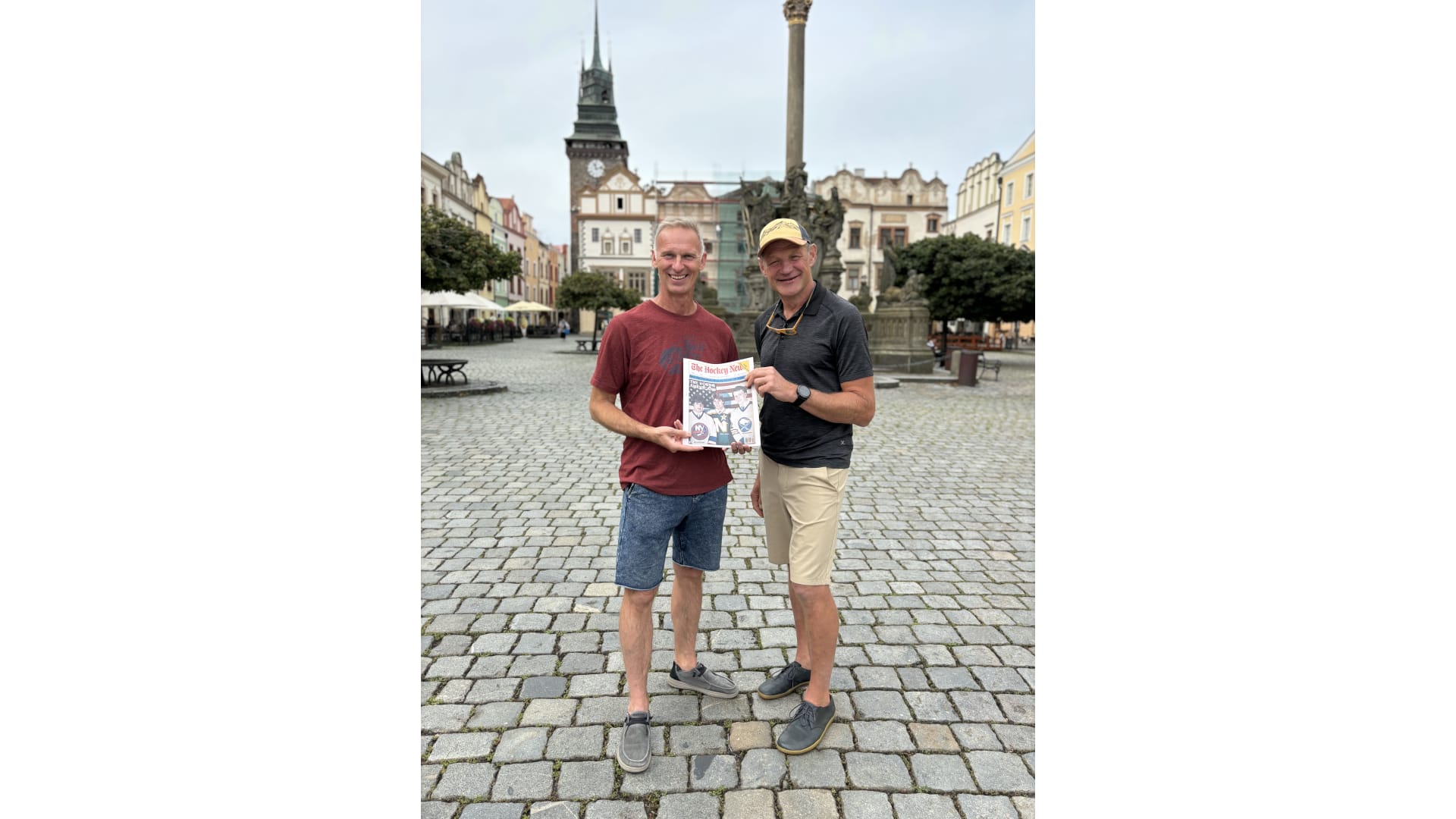
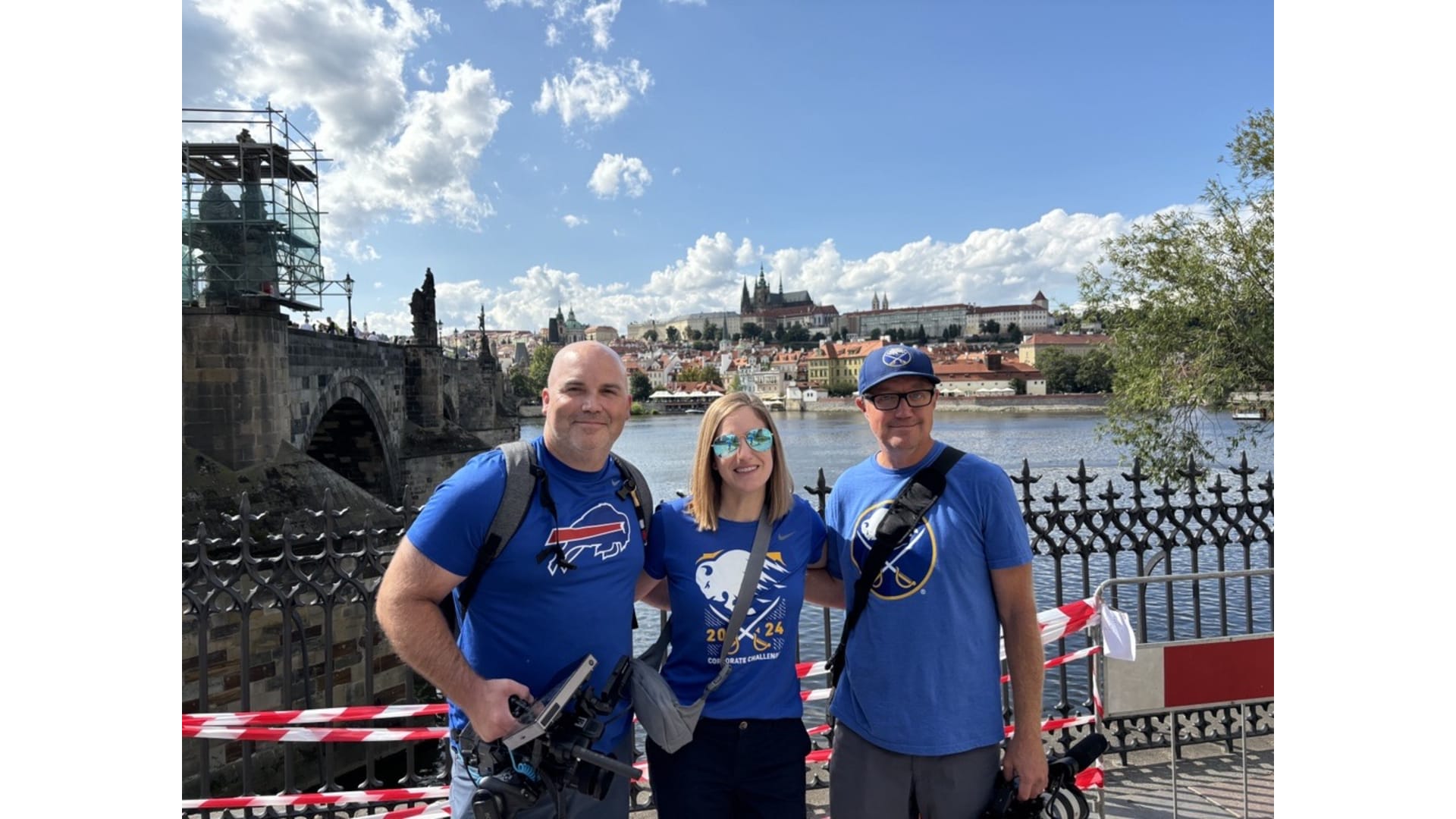
In summer 2024, the NHL was hosting the European Player Media Tour in Prague, and we were beginning our season in Prague (for the NHL Global Series).

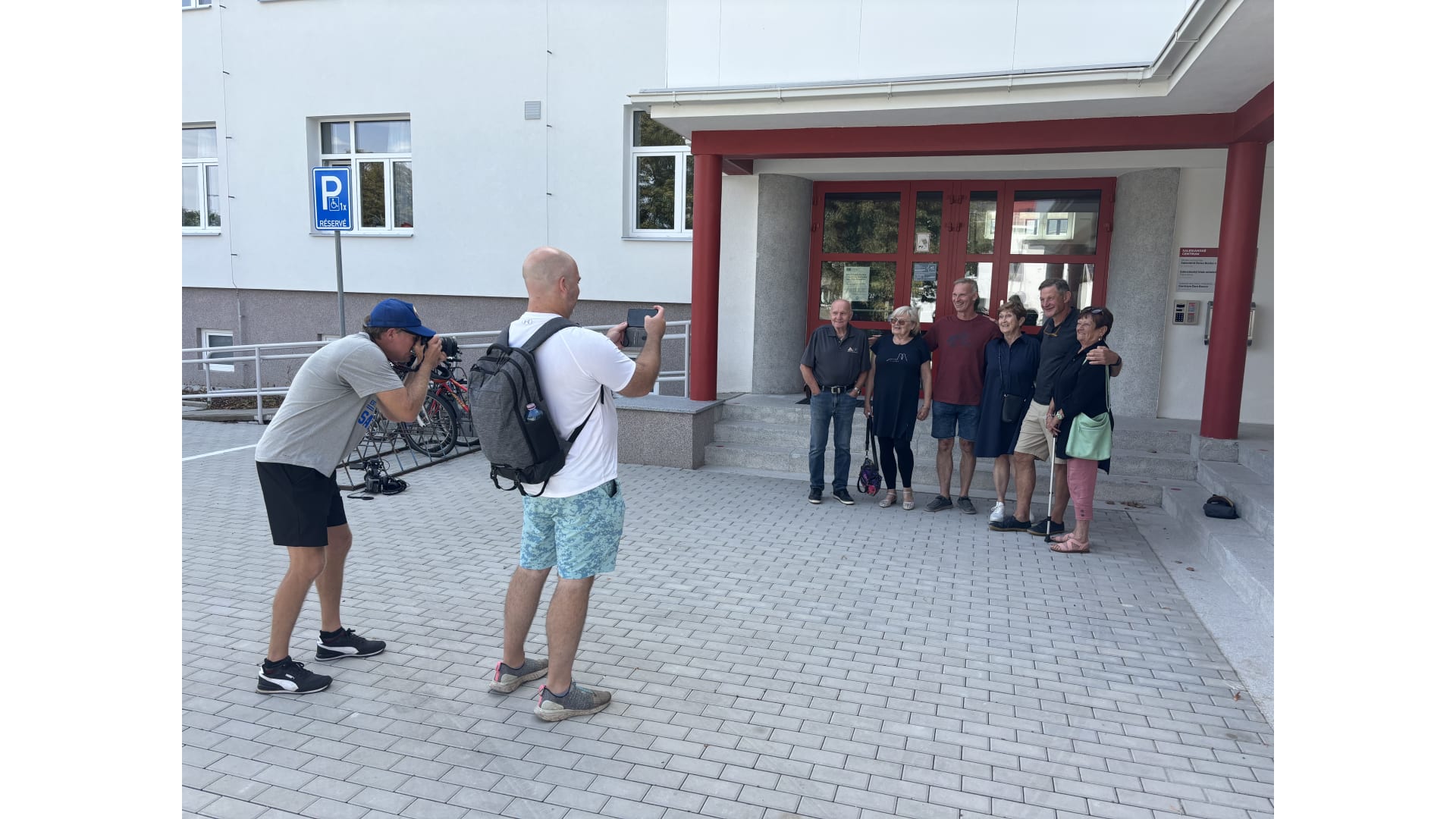
We knew Dominik Hasek lived there. A member of our team recalled that Dom had spoken in interviews about how his dad had made his first goalie blocker, so we thought it’d be interesting to speak to his father or visit the backyard where Dom’s dad would shoot pucks at him.

(Sabres vice president of community relations) Rich Jureller helped set up a phone call with Dom who told us we could meet his old teachers, his old coaches, an old teammate, and go to his old rink. His time was all over the place and limited.

We went into it thinking this is going to be Dom's origin story, but over the past 18 months, it ballooned into a comprehensive, 95-minute story about his entire life.

What inspired the idea to pursue a documentary style feature on Hasek rather than doing something shorter, which is more traditional for team created content?

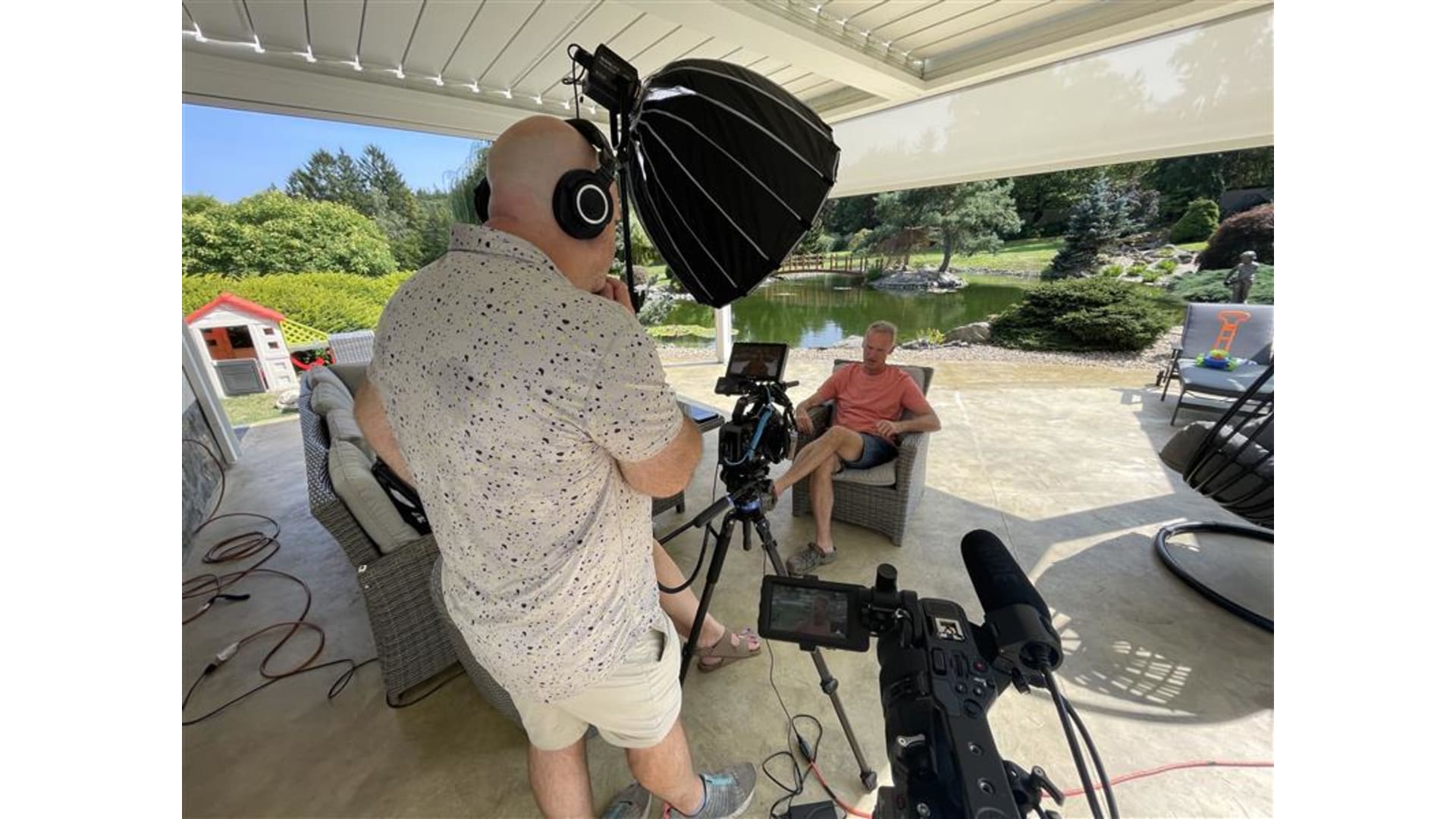
It’s a huge challenge for a video team this small. There were three of us that went to Prague to film. It was me, (Sabres director of video production) Andy Quinn and (videographer and editor) Scott Balzer. It's been 18 months since we shot because we're doing our day-to-day team jobs throughout the entire process.

The reason why we wanted to make it bigger is because the story warranted it. Dom has this amazing career, but he also has this really interesting backstory, so to marry the two takes time. The sociopolitical aspect and players defecting, to hit the emotional notes of it, we had to get into Frank [Musil’s] backstory because of his decision to defect and Dom's decision not to. Taking 18 months allowed us to collect more interviews that really added to the overall scope.

After you spent time with Hasek in Czechia and you’ve gathered all the interviews, what goes into producing the storytelling arc?

You can interview Dom here about his childhood, but being immersed in Pardubice with him and Frank, they loved the way they grew up. We thought they might be like, ‘It was brutal growing up under communist rule,’ and it wasn't that way for them. They loved sports and had what seemed like a very idyllic childhood. The story grew into exploring that and how he assimilated into the U.S.

I kept saying to myself, ‘Where did the greatest goalie in the world come from?’ That's my overarching thesis for the whole thing.

Premiere

Left to right: Scott Balzer, Michelle Girardi Zumwalt, Dominik Hasek, Anna Stolzenburg, Andy Quinn

There’s a lot of never-before-seen images from Hasek’s childhood and footage that people will be seeing for the first time. What goes into attaining those video clips and finding that old archival footage?

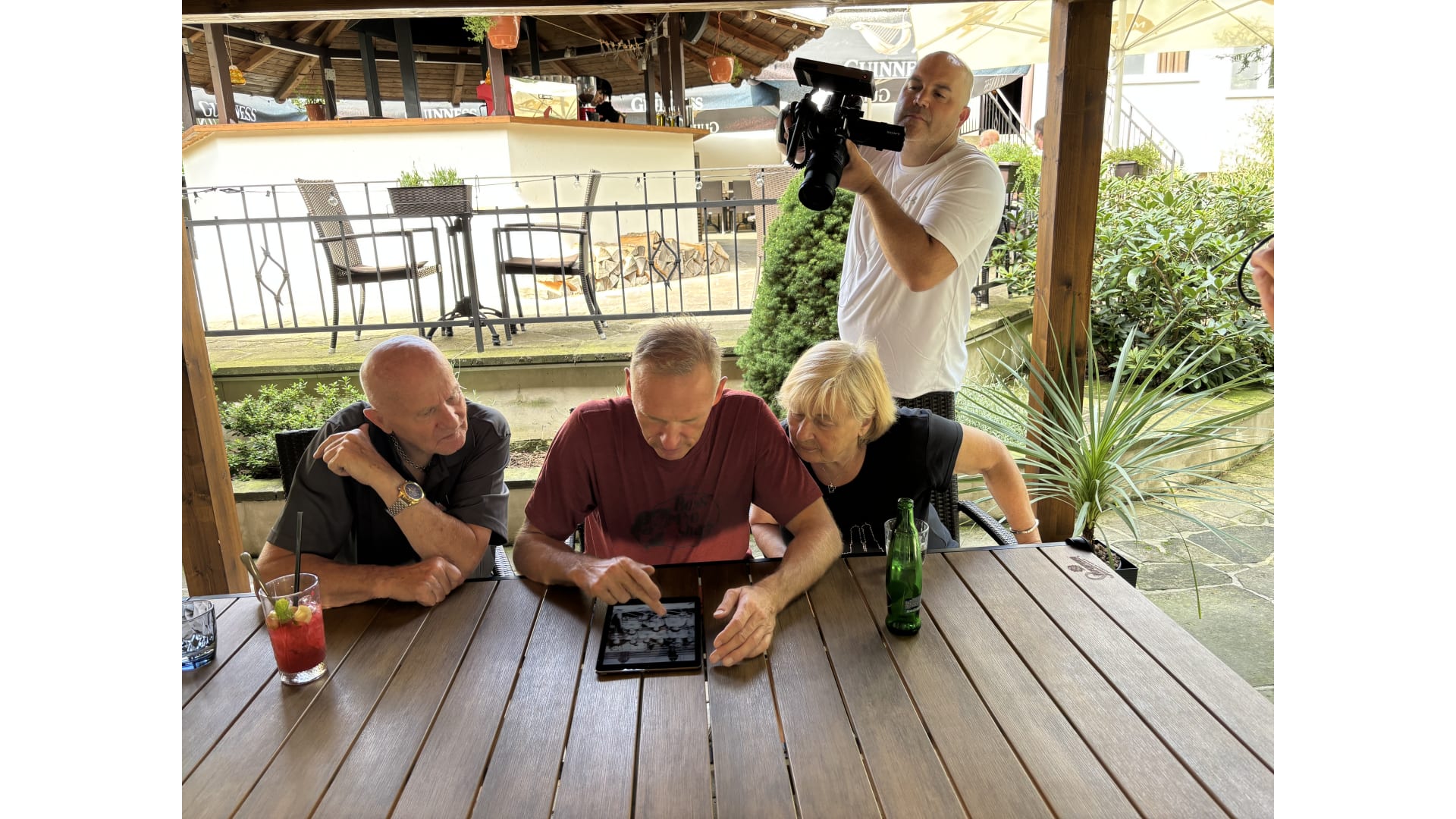
The photos from his childhood came through Dom and he connected me with someone who archives his photos. We had a Czech TV station send us the footage of him playing in Pardubice, winning the T.G. Masaryk Cup in 2010 and the post-Olympics celebration in Prague. We have a ton of stuff in our archives, because we have our former broadcasts. It's a lot of internet searching and finding. We worked with a drone pilot in Pardubice.

Scott Balzer is basically a Sabres archivist himself and he won't rest until he finds the clip that you're looking for. When Mitch Korn talks about playing the Rangers, and Messier got to the puck before Dom, Scott's like, ‘I'm finding that play.’ He found old interviews with Dom and old practice footage. He figured out that Dom was originally called ‘The Count.’ That led to interviewing John Gurtler and him saying, ‘I heard someone call in on a radio show and saying we should call him the Dominator.’ Suddenly, we had the origin of Dom’s nickname.

Hasek’s best friend and former NHL player Frank Musil is a prominent piece of the film. How critical is it to have a secondary character that can attest to the difficulties of defecting and talk about that shared experience?

Frank's story is really critical. I was surprised when I interviewed him how emotional he still is about defecting and not being able to tell his parents he was going to defect. He went to Yugoslavia with his girlfriend, who he also couldn't tell he was defecting, and then left the country without a word. I was surprised all these years later he was still struggling and said, ‘It's difficult for me to talk about.’

Frank became the heart of the film with the fact that he chose a different path than Dom, and luckily, it turned out that he was able to go back and see his family again. It was an unplanned surprise that his story ended up being so poignant and meaningful and a good foil to Dom's story.

Over the course of the documentary, you’re able to see the people and places that helped cultivate Hasek into the “Dominator.” What struck you about Hasek’s origin story?

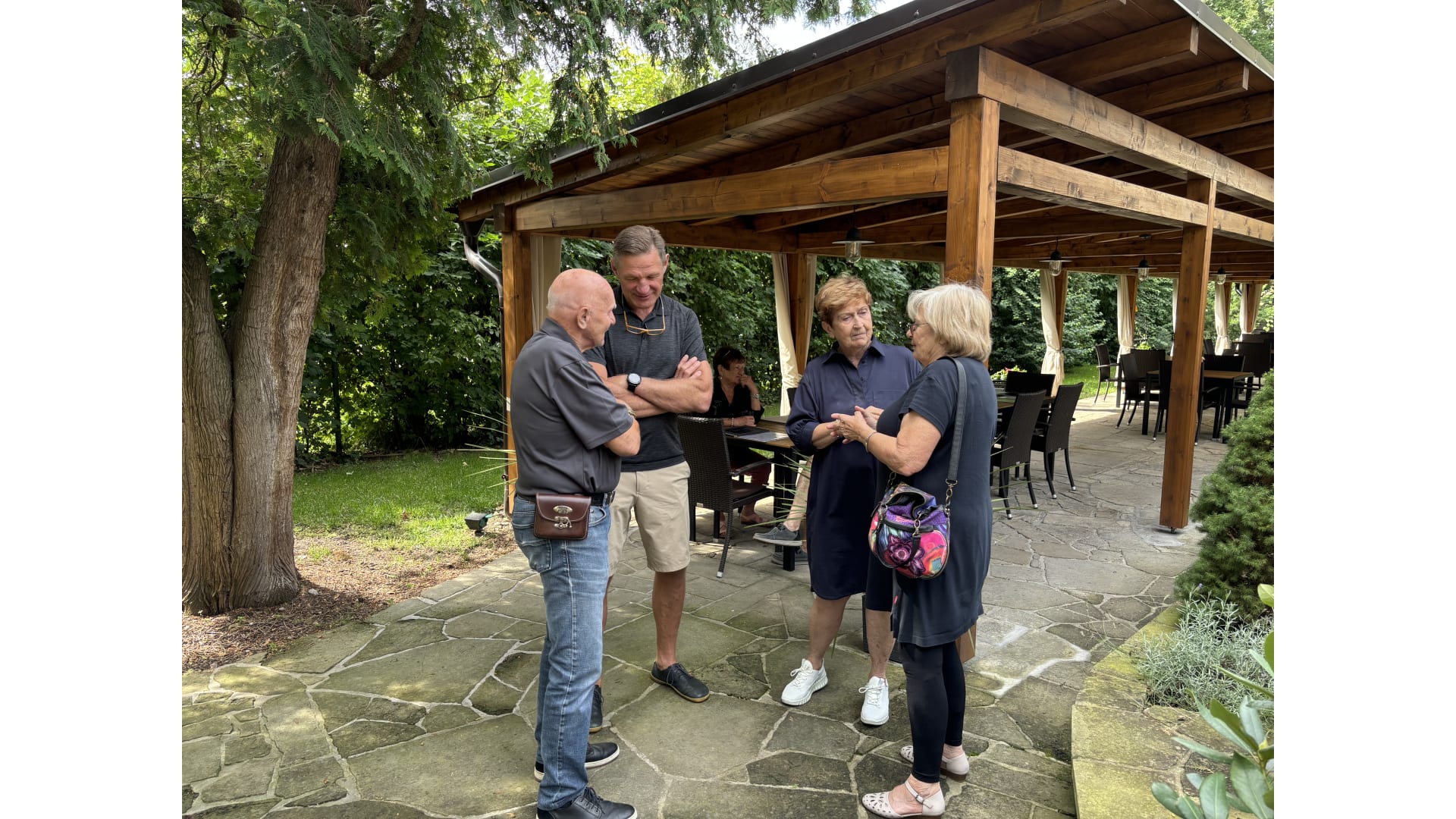
How happy their childhood was, how wonderful it seemed to be and the closeness of the relationships, because that speaks a lot to the defection piece. They're very affectionate with the teachers they had and they're 60-year-old men now. It made you understand why Dom maybe didn’t want to defect and why he was happy where he was, until it got to the point where he was like, OK, I'm going to see what's over there and see if I can be the best there too.’ Every story probably breaks down to human relationships and what motivates people and it was interesting to see how much of an effect the people they knew when they were little boys still have on their lives.

At one point, Hasek’s former teammate Otakar Janecky said, “It’s our Dom.” What stands out about the way Hasek shared his journey with those close to him?

Dom came here and achieved everything he possibly could in the hockey world. Some people say he was the greatest hockey player in the world, not just the greatest goalie, but it was so important for him to go home again. The only thing he wanted to do after he retired from the NHL is play for Pardubice again. He says throughout the film, ‘This is a hockey town.’ He’s so appreciative of the way he grew up and able to be himself. He was late all the time and wacky and everybody uplifted him and gave him the opportunity to become great.

A common thread from the people you interview is how detailed and competitive he was. What impressed you about the way people spoke about him?

I loved the way that the teachers were so proud of him, and they see it as more than just his athletic career. He studied history and through his politics, you can tell he really cares about people. It's neat, the people who knew him from the time he was a little boy still have so much respect for him. What they love about him is how he represents the Czech Republic. What an amazing achievement for somebody to be able to have people look at you and say, ‘You represent all of us,’ and have them be proud about that.

What do you want people to take away from the film and about Dom’s journey?

I hope that people just have a greater understanding of what those athletes faced – especially in the ’70s and ’80s – who just wanted to be the best at their craft, were denied the ability to do so, and the difficult decisions that they made. I think there's still a lack of understanding of what living under communism really was on a day-to-day level where sometimes there were wonderful things for kids, but it ultimately did constrict people's freedom and we shouldn't take that for granted.