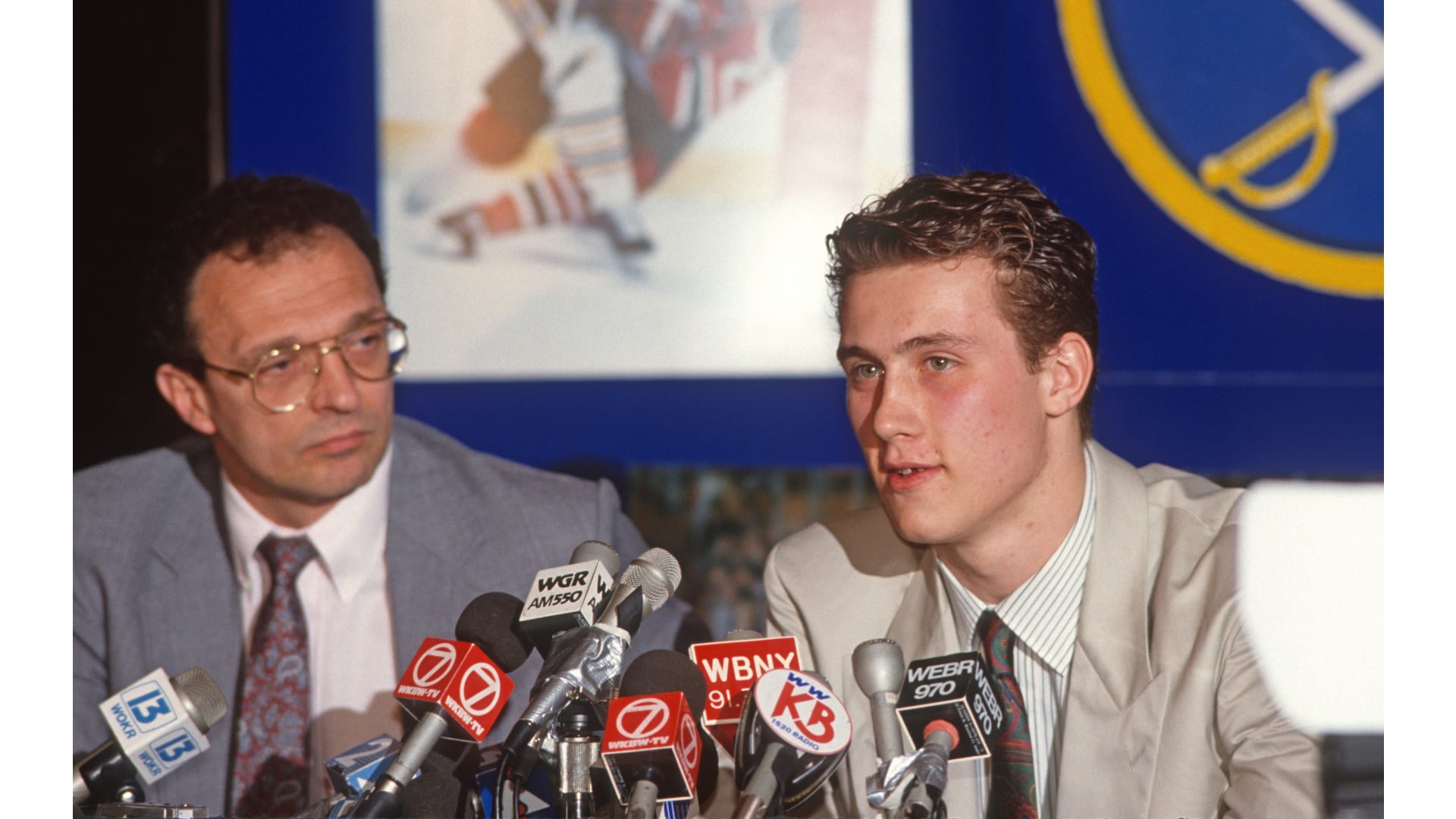
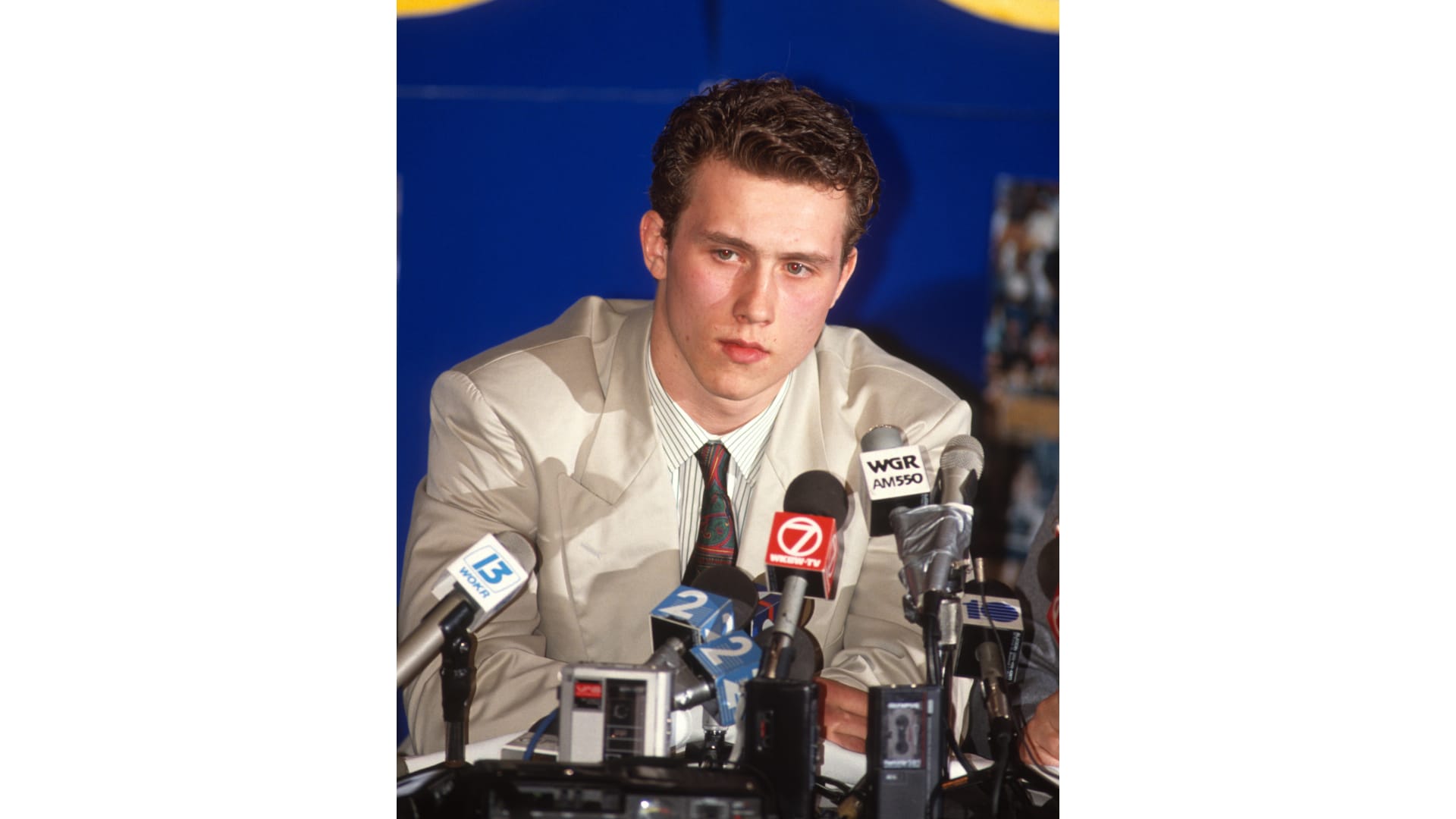
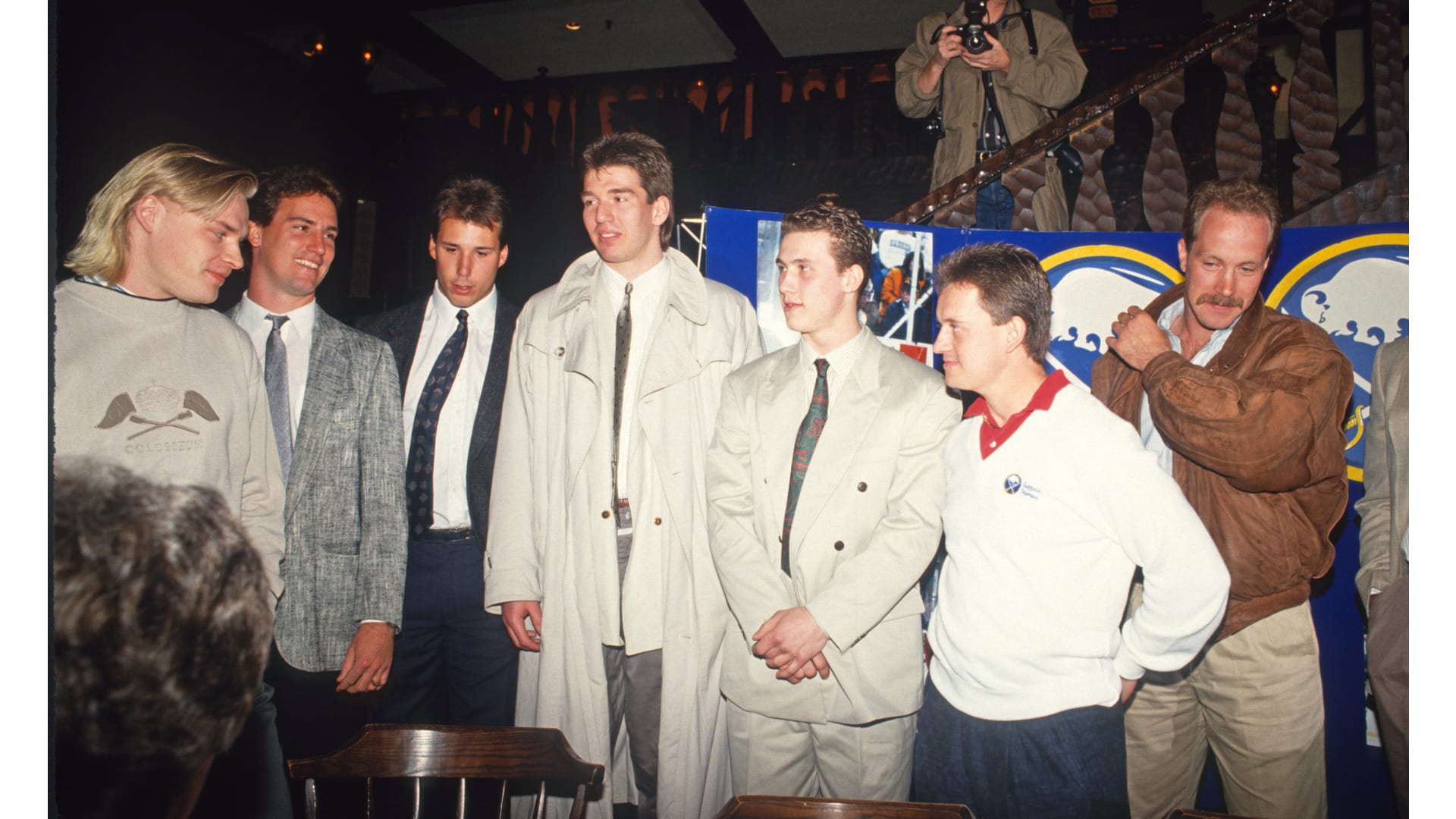
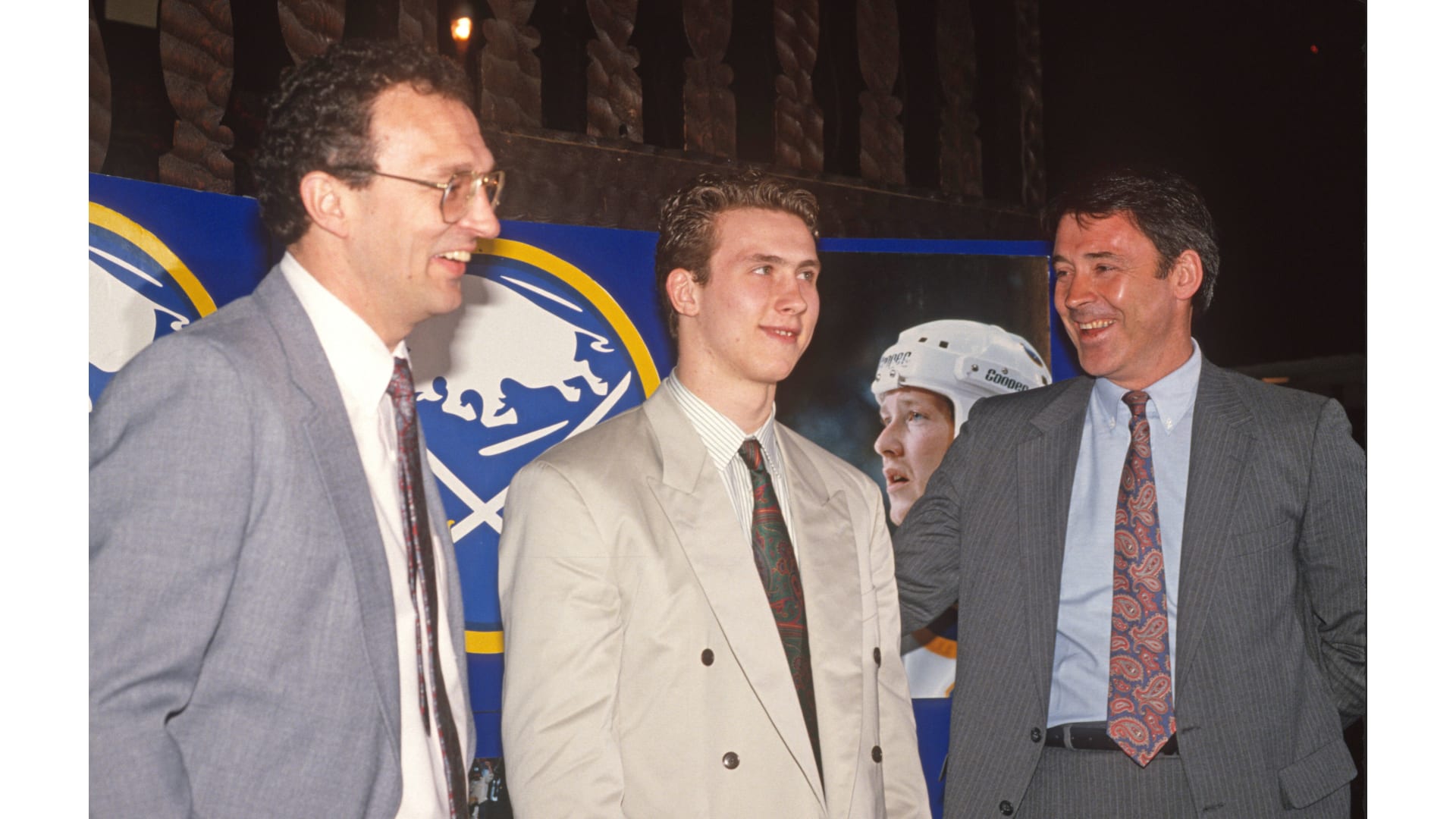
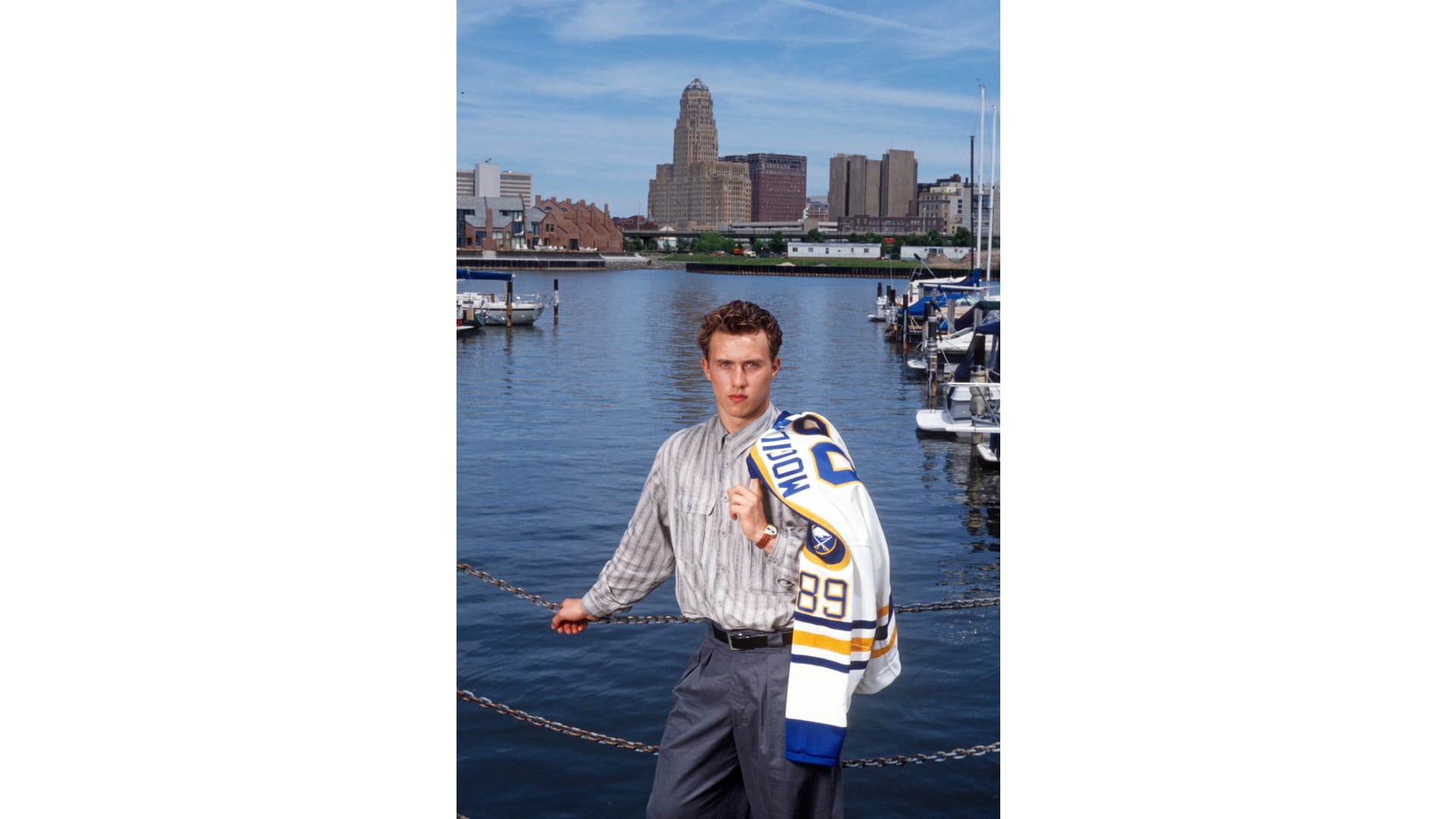
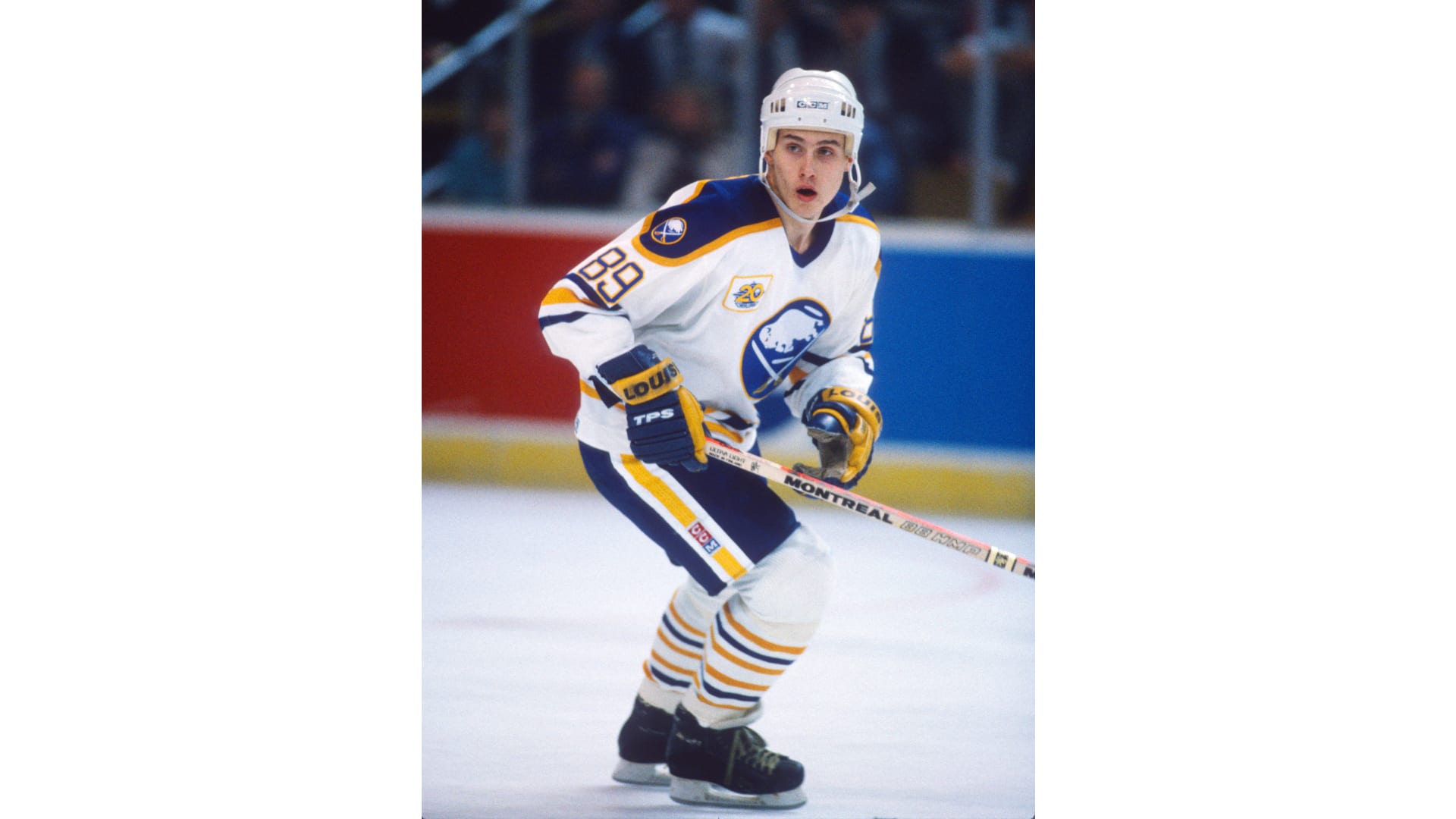
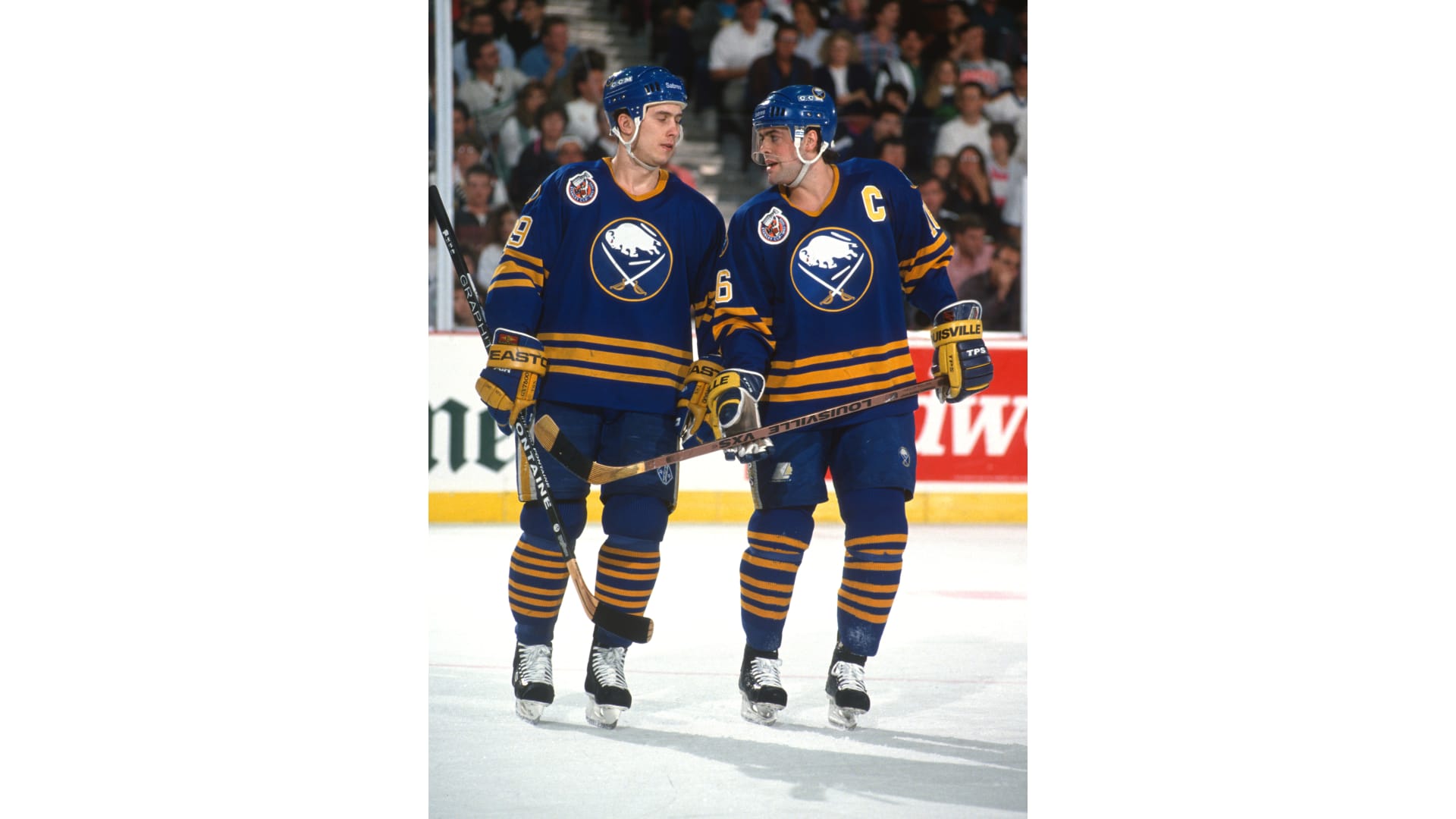
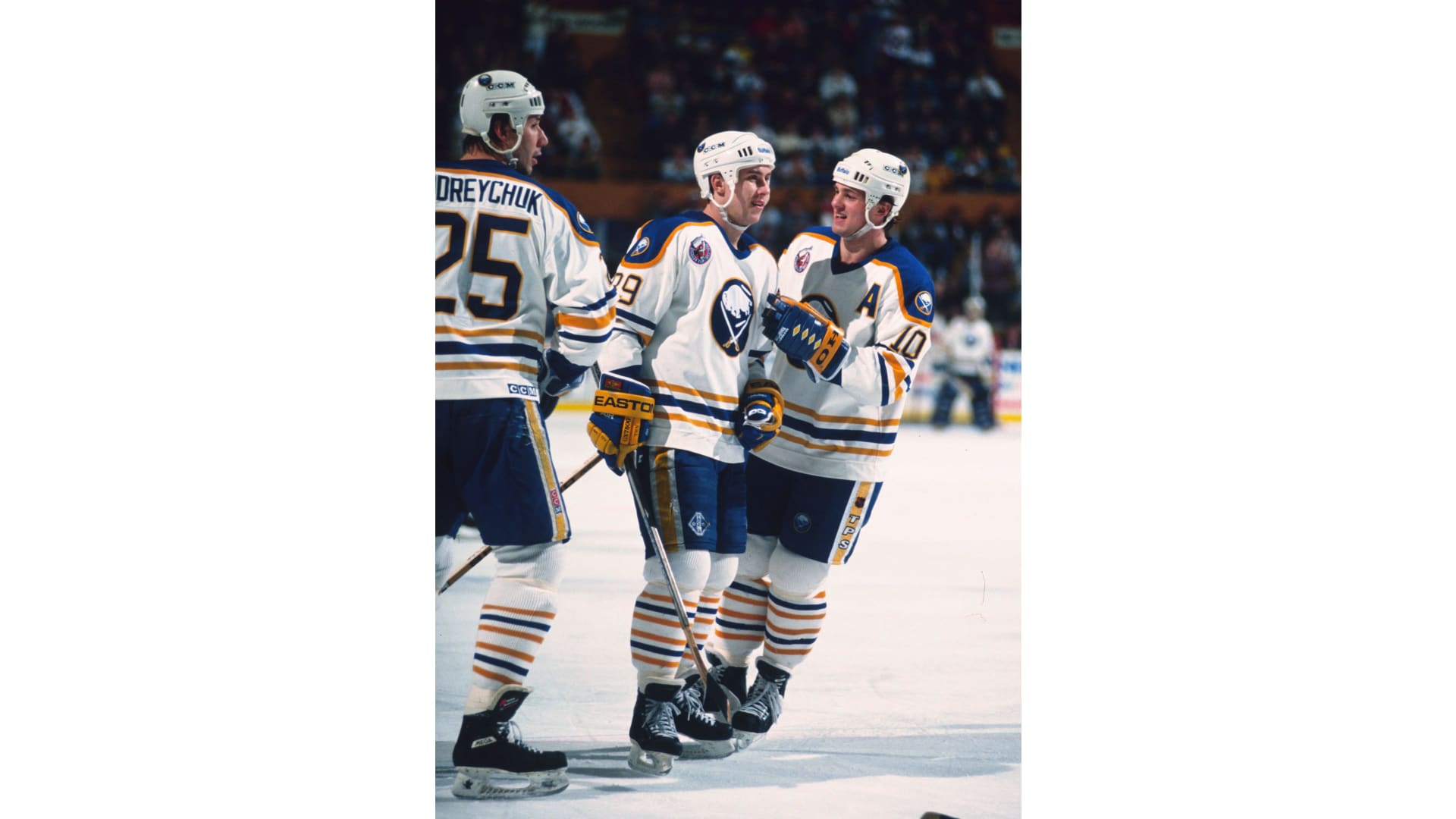
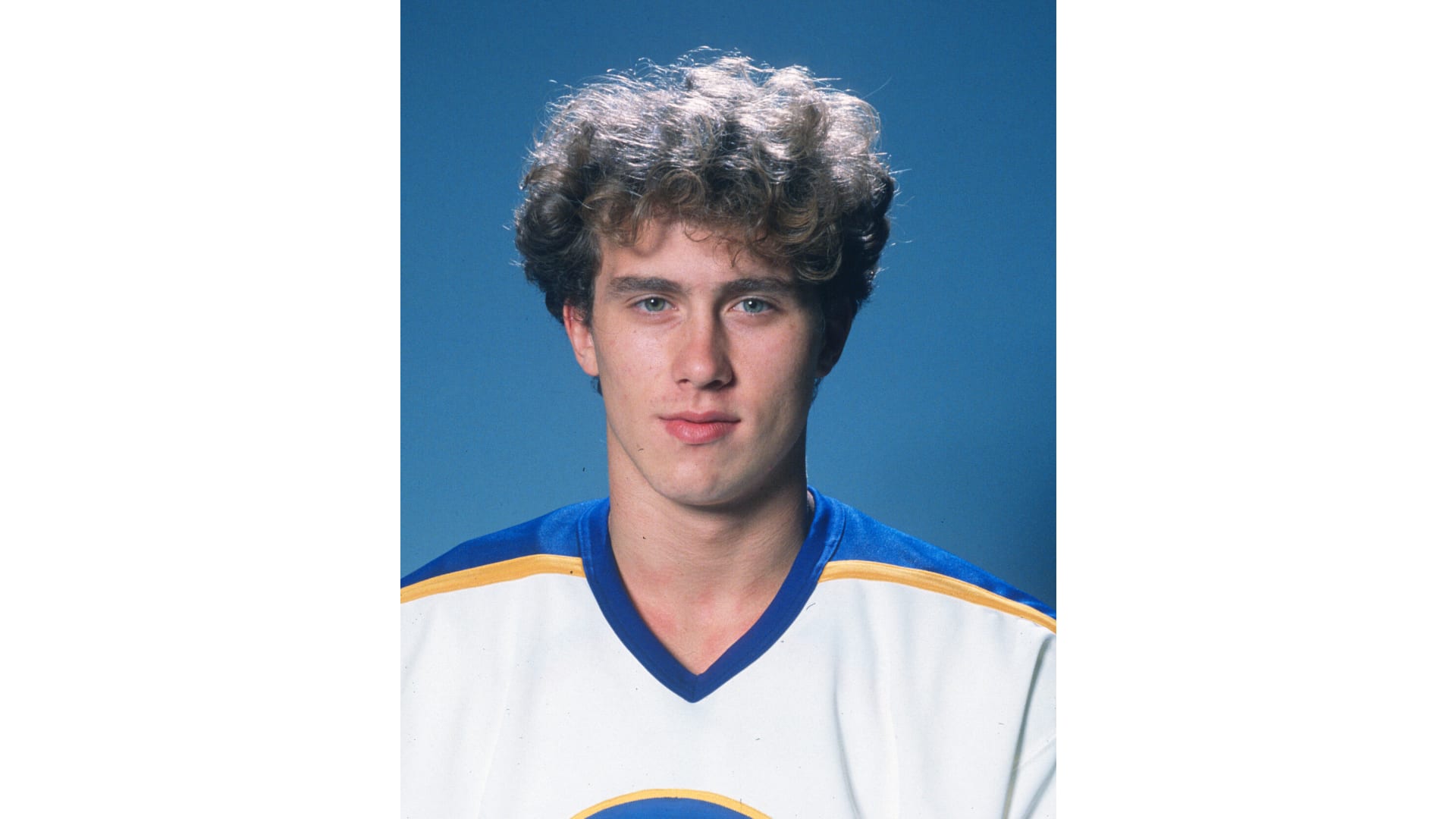
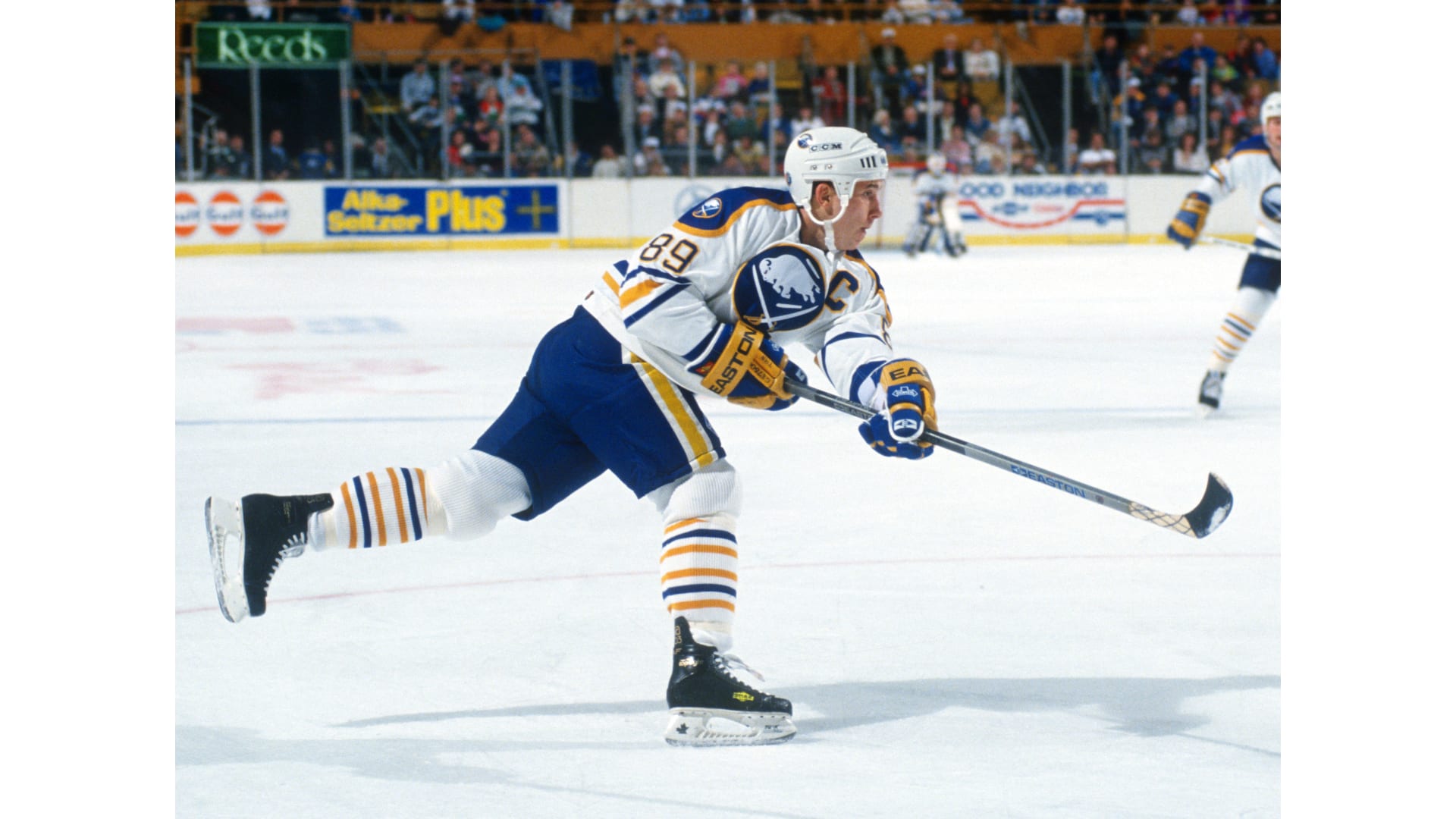
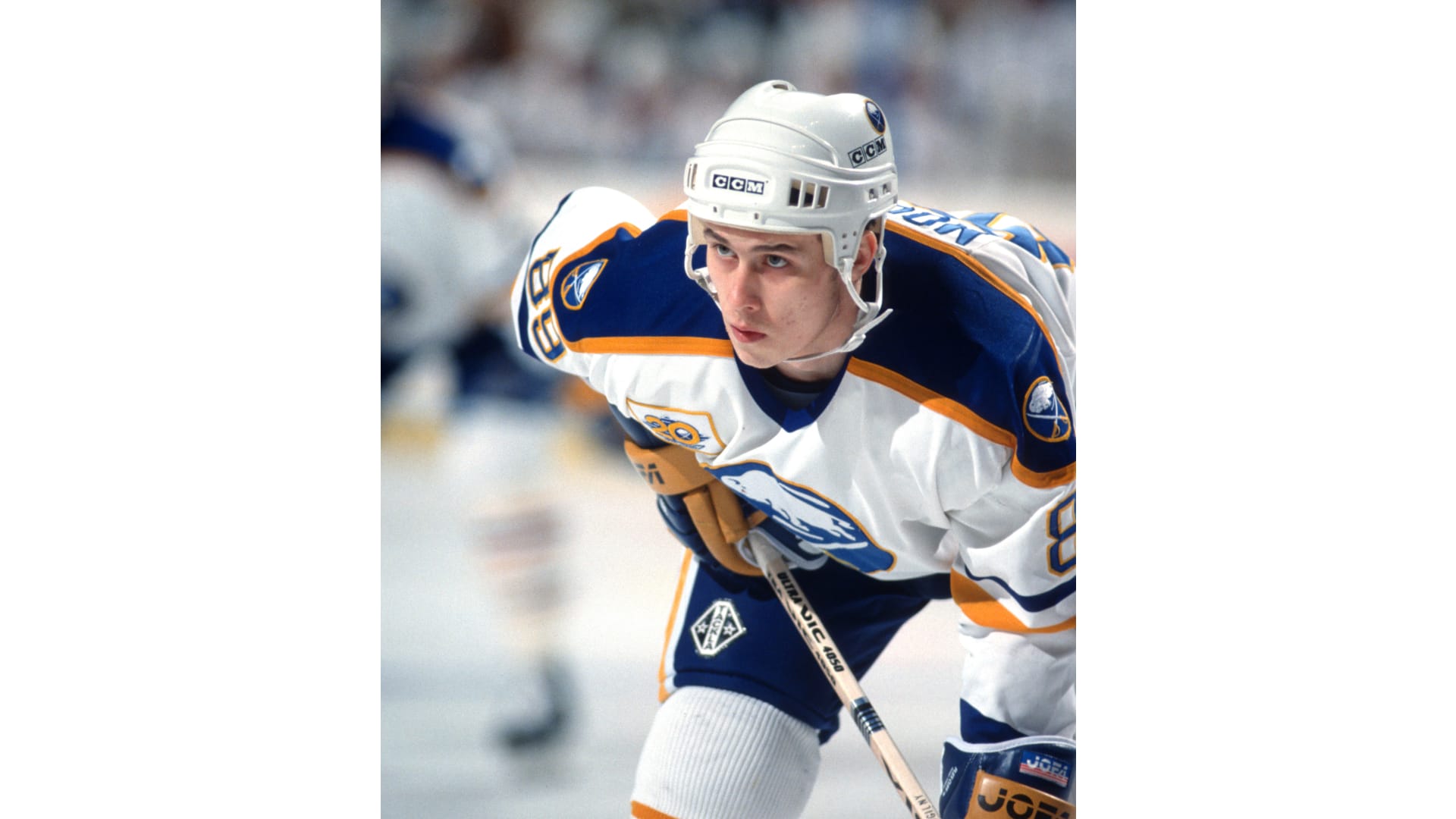
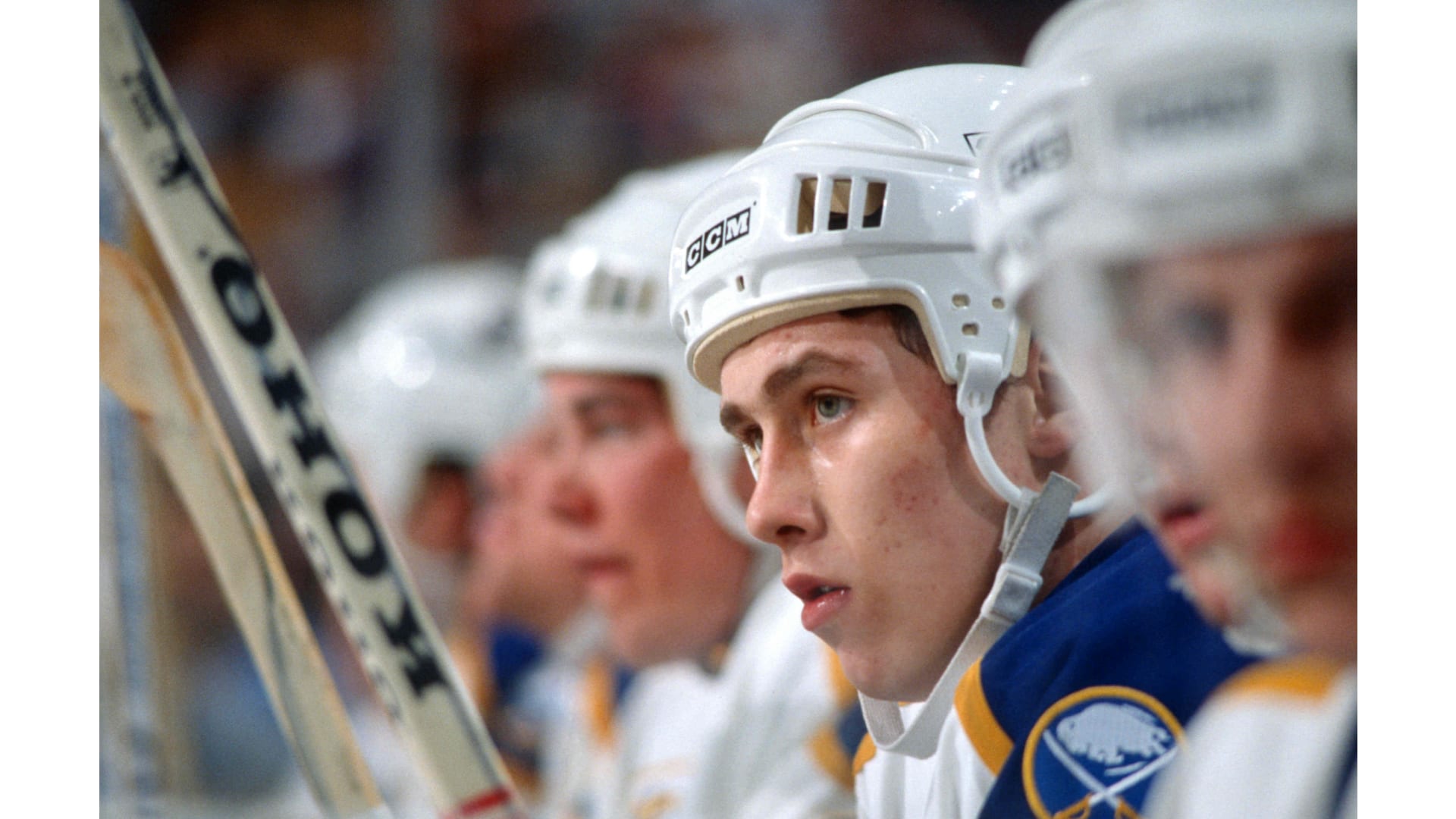
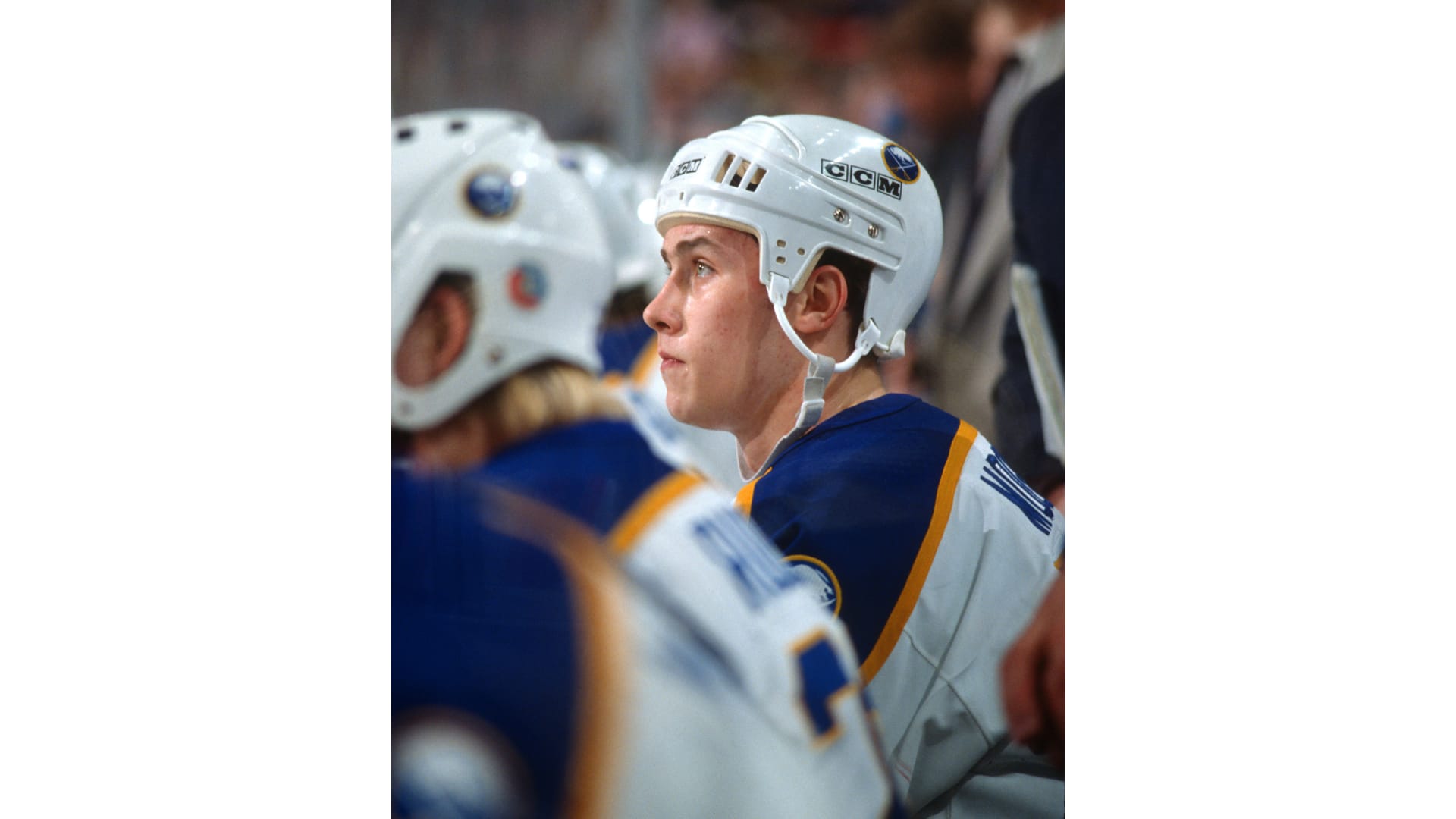
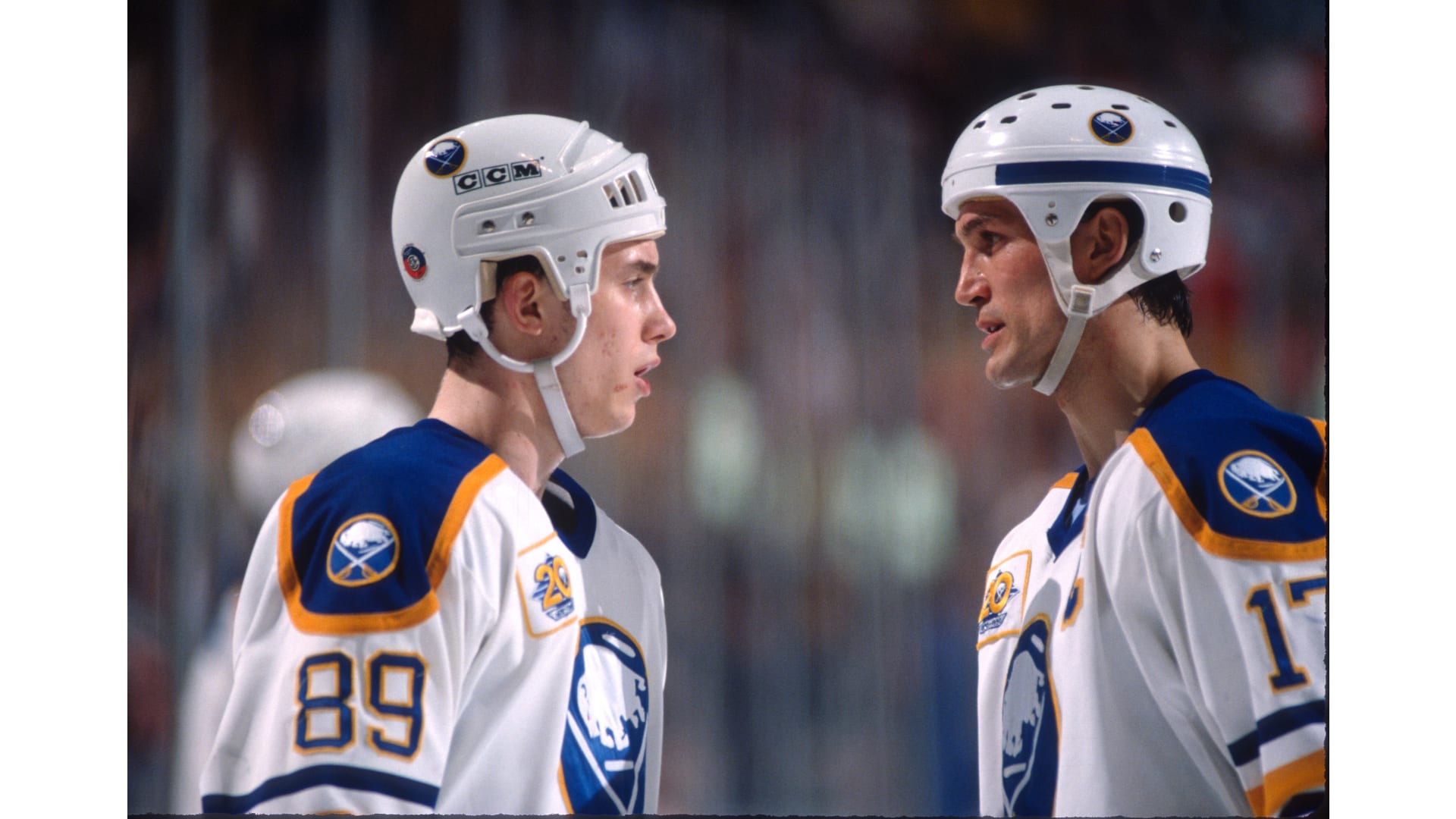
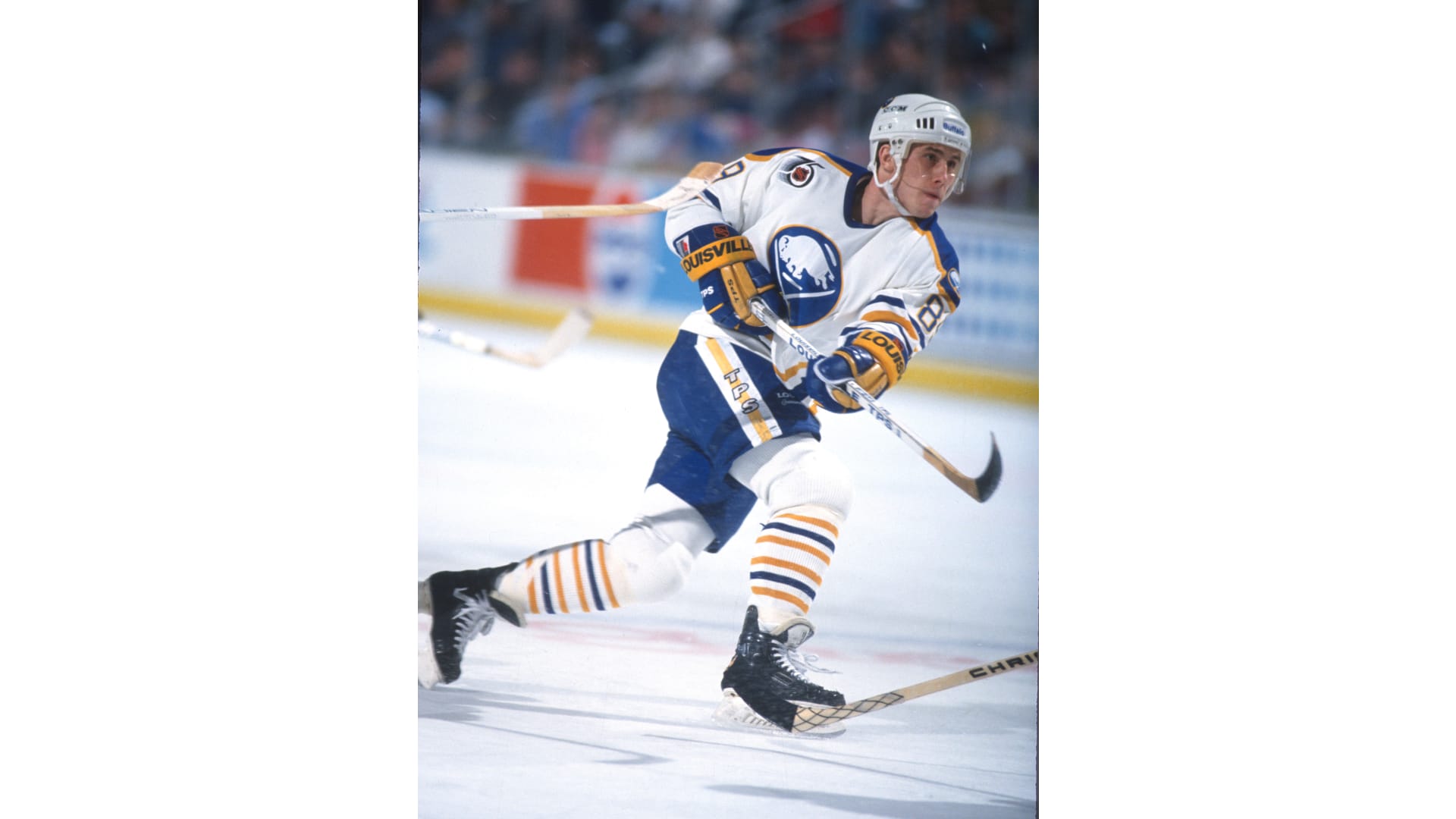
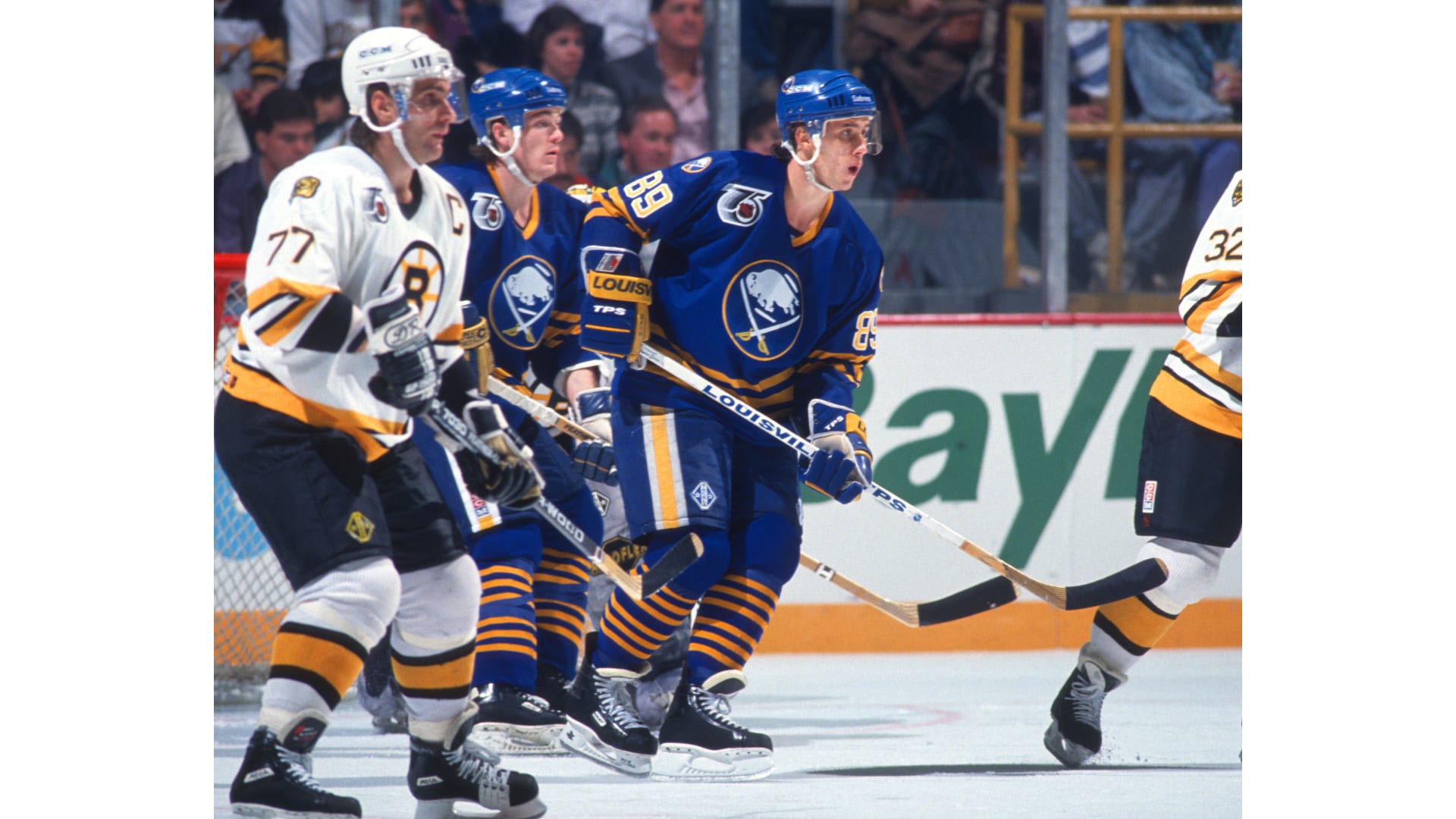
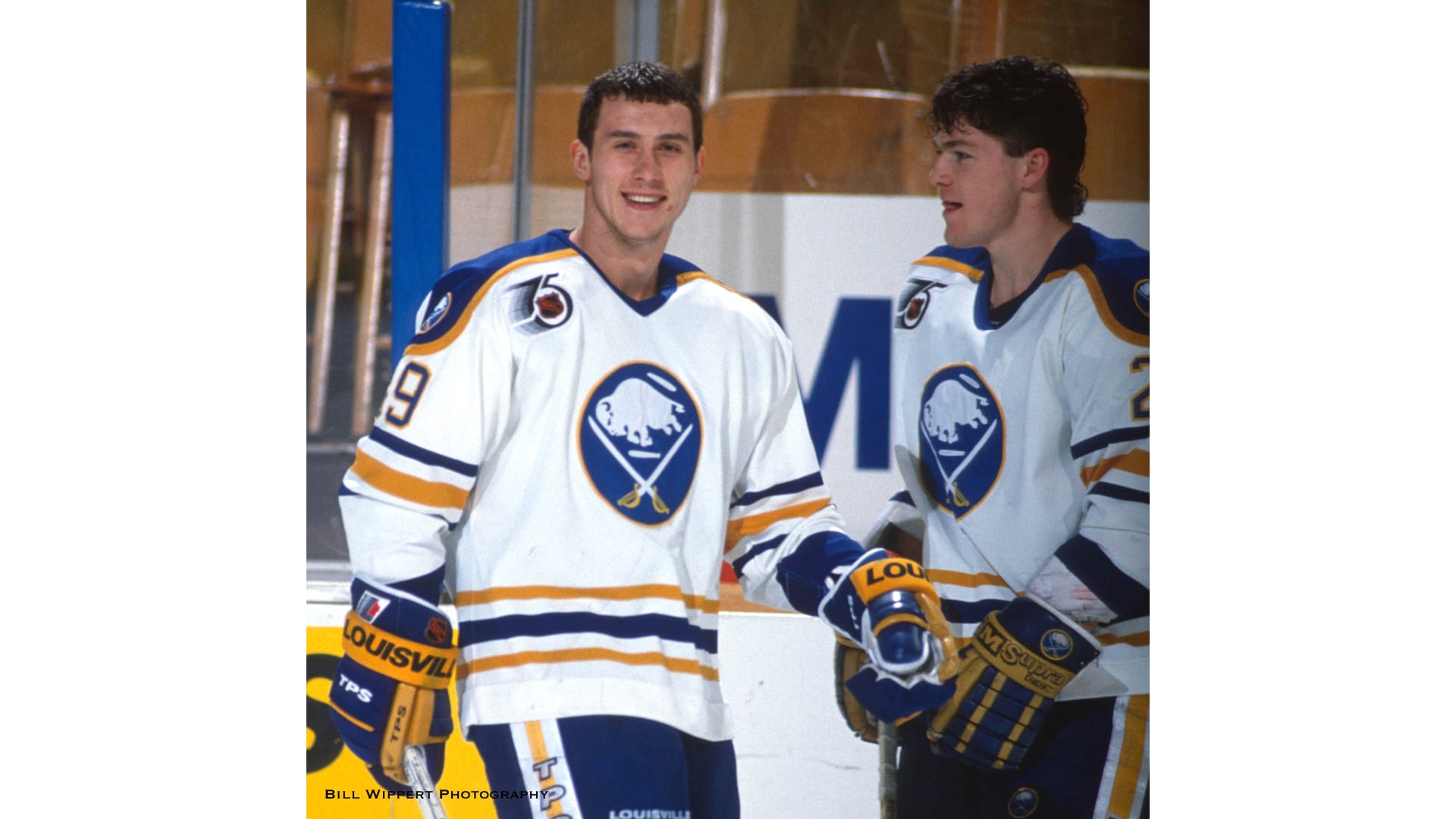
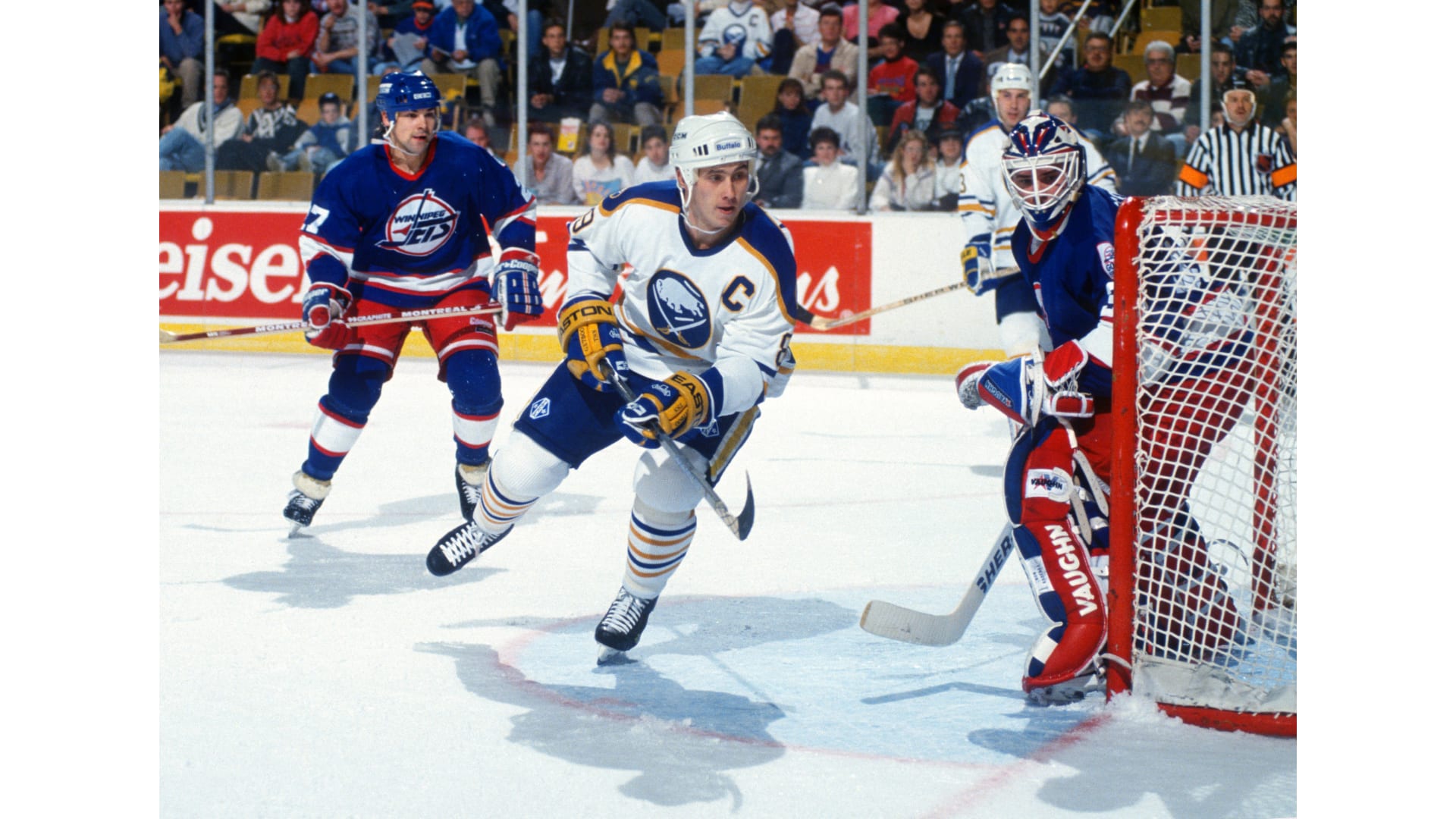
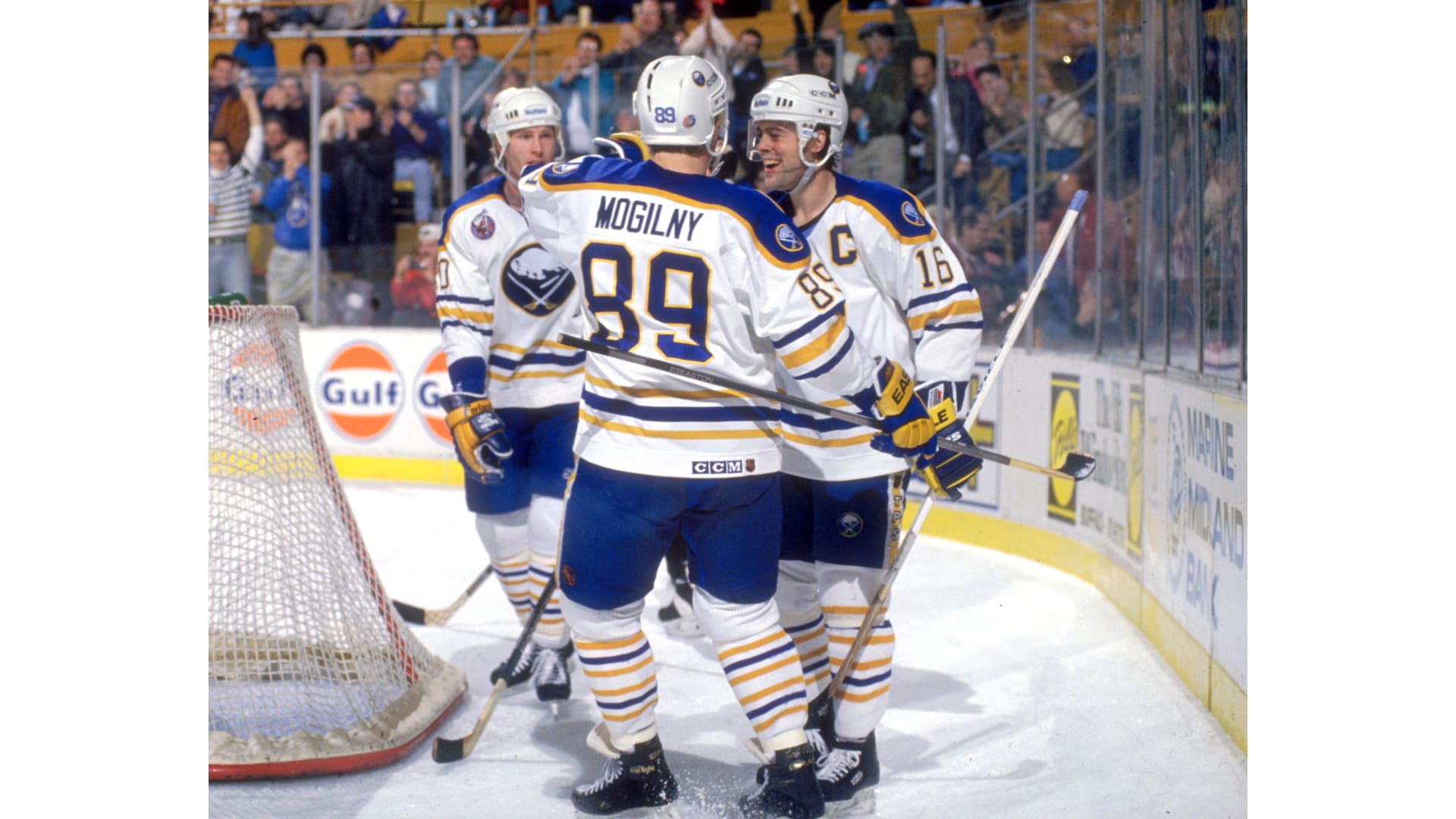
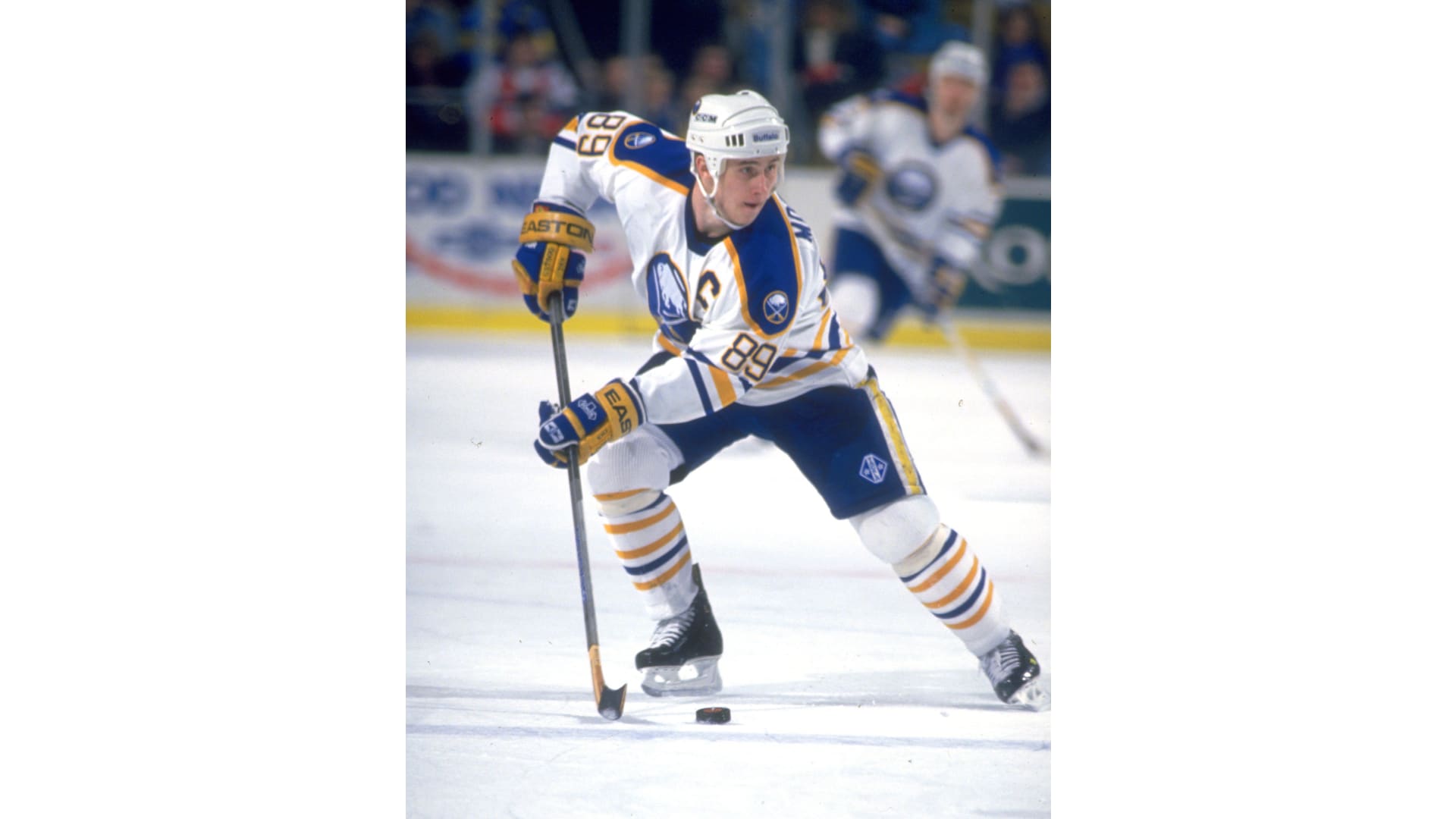
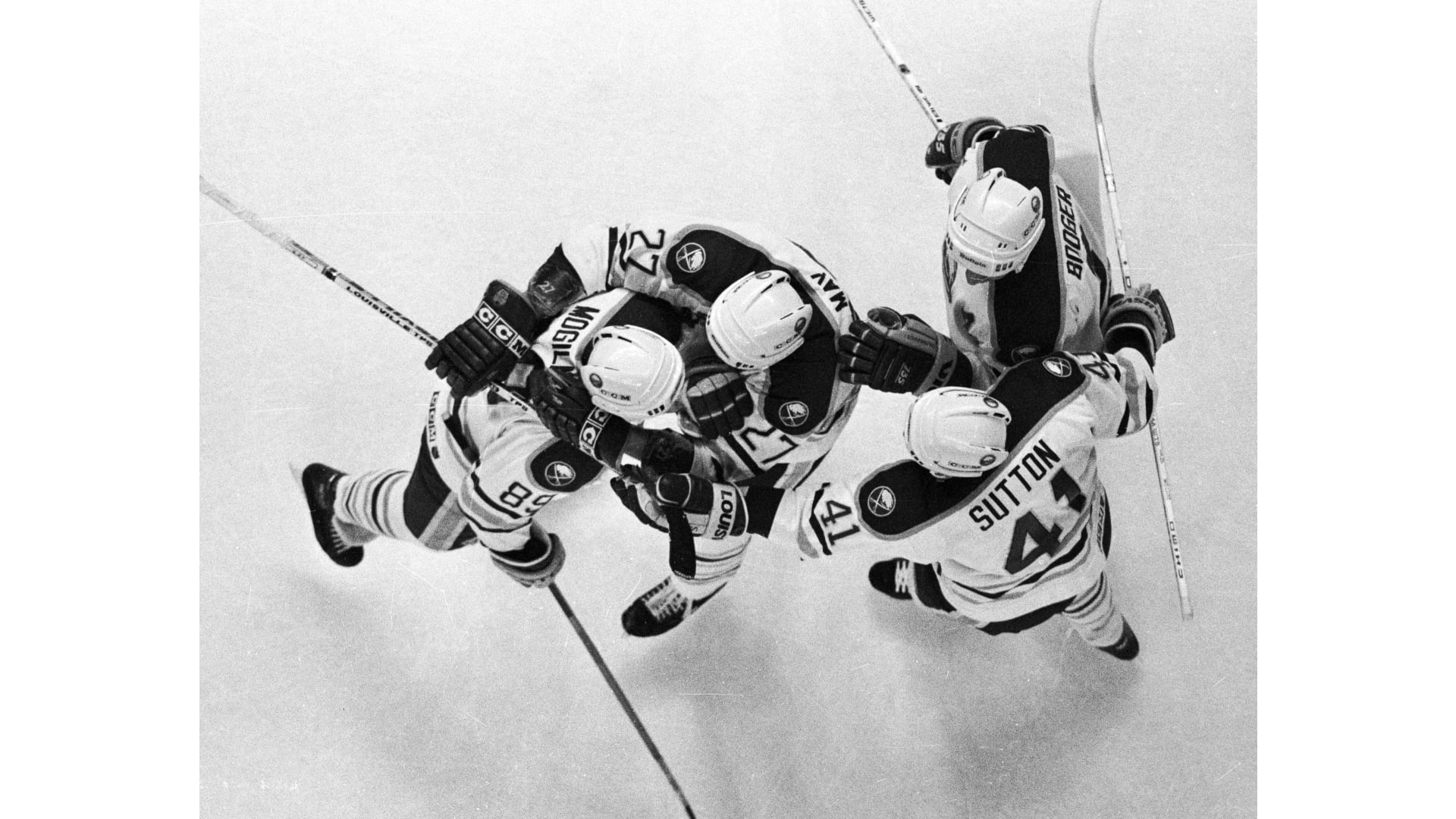
“Buffalo Sabres, where I learned the true meaning of resilience in that blue and gold jersey and was honored to wear a captain patch,” Mogilny said. “What a great hockey town.”
The induction ends a long wait for Mogilny, whose trailblazing defection from the Soviet Union and electrifying offensive skills generated much public support during his 17 years on the ballot. The 18-person selection committee finally announced his selection this past June.
“It’s about time,” said Rob Ray, Mogilny’s former teammate and current president of the Buffalo Sabres Alumni Association. “Alex paid a huge price to open doors for other players. He was probably the most pure, naturally talented player to ever play. Best of all, he was an excellent teammate that always put the team first. He didn’t like or want any attention. He couldn’t explain how he did things on the ice, he said he just did it.”
The Sabres drafted Mogilny during the fifth round in 1989. Don Luce, then the director of player development for the team, had seen Mogilny play at the previous World Junior Championship in Moscow and deemed him “the best player in the world.”
Still, at a time when young Soviet players were beholden to play for the Red Army, neither Luce nor general manager Gerry Meehan had any expectation of Mogilny ever wearing a Sabres uniform. That changed with a surprise phone call to Luce’s office in spring 1989, which prompted the first ever defection by a Soviet player to the NHL.
Meehan and Luce traveled personally to Stockholm, Sweden – the site of the 1989 World Championship – to transport Mogilny to the United States, a dangerous proposition for all involved.
"Alex, for a 19-year-old kid, he was pretty calm," Luce said in 2019. "I know because he told me afterwards, his parents said, 'Just go. Don't worry about us.' They did lose their jobs. [Alex] was sentenced to death for desertion. They had rough times to go through.”
Mogilny thanked Luce, Meehan and their families during his selection speech.
“You were my guiding lights when I came into the NHL,” he said. “It proves that hockey’s greatest gift is the people it brings into your life.”
Other Soviet players soon followed in Mogilny’s footsteps, including Hall of Famers Sergei Fedorov and Pavel Bure. At his induction in 2015, Fedorov campaigned for Mogilny to join him among hockey’s immortals.
“He deserves that honor,” Fedorov said. “Alex was faster than all of us and Alex was a machine. He was built like a machine. Plus, on top of all the crazy skill he had, he’s better than all of us. He’s amazing.”
Mogilny was 20 years old when he made his NHL debut on October 5, 1989, a Buffalo win over Quebec in which he scored and had seven shots. He finished his rookie season with 15 goals and 43 points in 65 games, offering only a glimpse of what he would quickly become.
Mogilny scored 30 or more goals in each of the following four seasons, aided by the arrival of linemate and future Hall of Fame centerman Pat LaFontaine in 1991-92. The duo combined for the most prolific offensive season in Sabres history in 1992-93, when Mogilny established a franchise record that stands today with 76 goals in 77 games and finished second to LaFontaine with 127 points.