OTD 2001

Over a span of 48 hours during the last weekend of June in 2001, former Ottawa Senators general manager Marshall Johnston made a series of trades and draft selections that would change the course of the franchise forever.

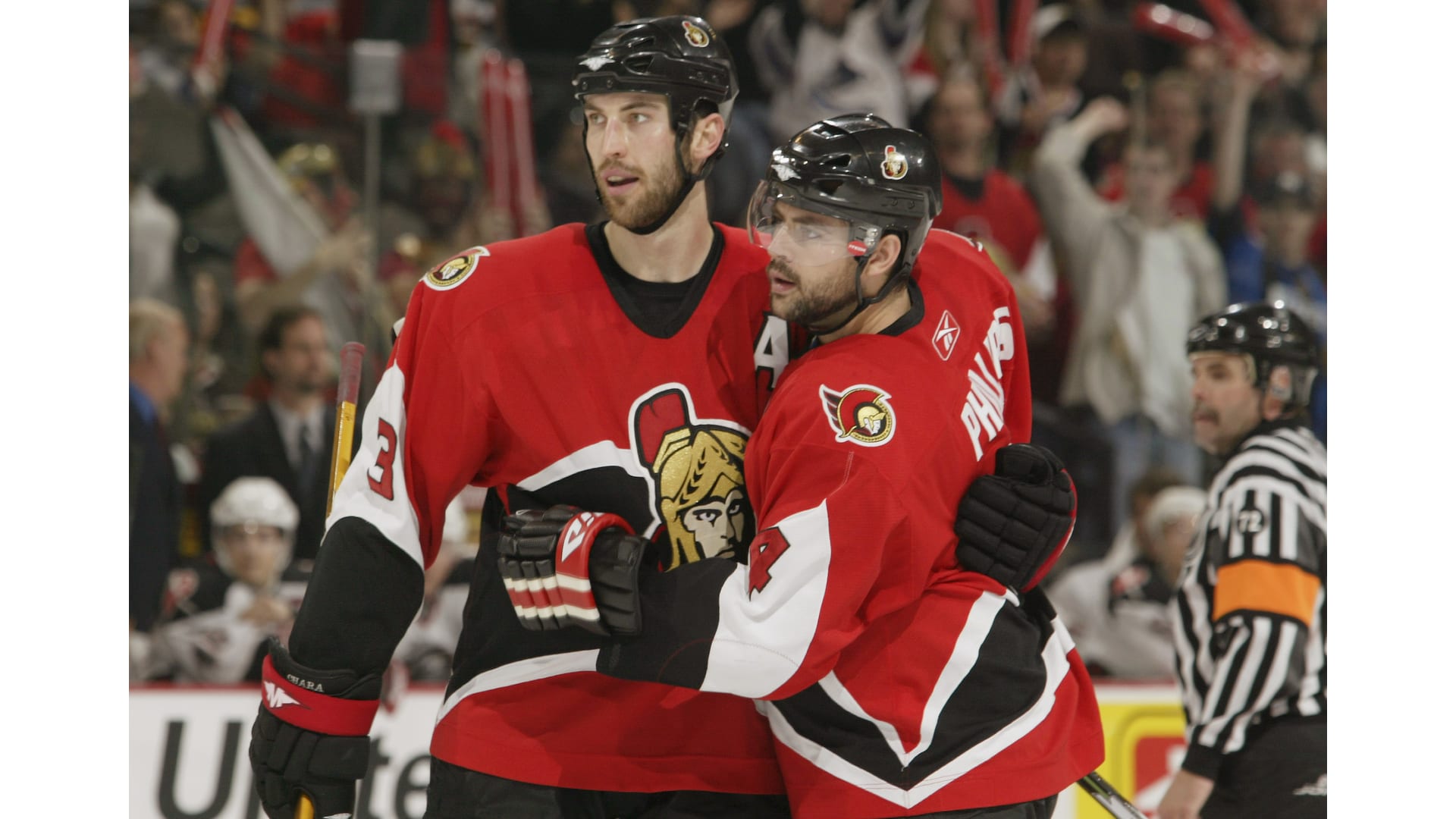
That weekend saw the franchise’s first-ever draft pick, Alexei Yashin, shipped out to the New York Islanders in exchange for a package which included the second overall pick in the draft, which began on Saturday, a hulking yet raw Slovakian defenceman in Zdeno Chara, and utility forward Bill Muckalt.

Though the trade was officially registered with the league office at 9 a.m. on Saturday, it wasn’t announced until it was time for the Senators to make their pick later in the day. 

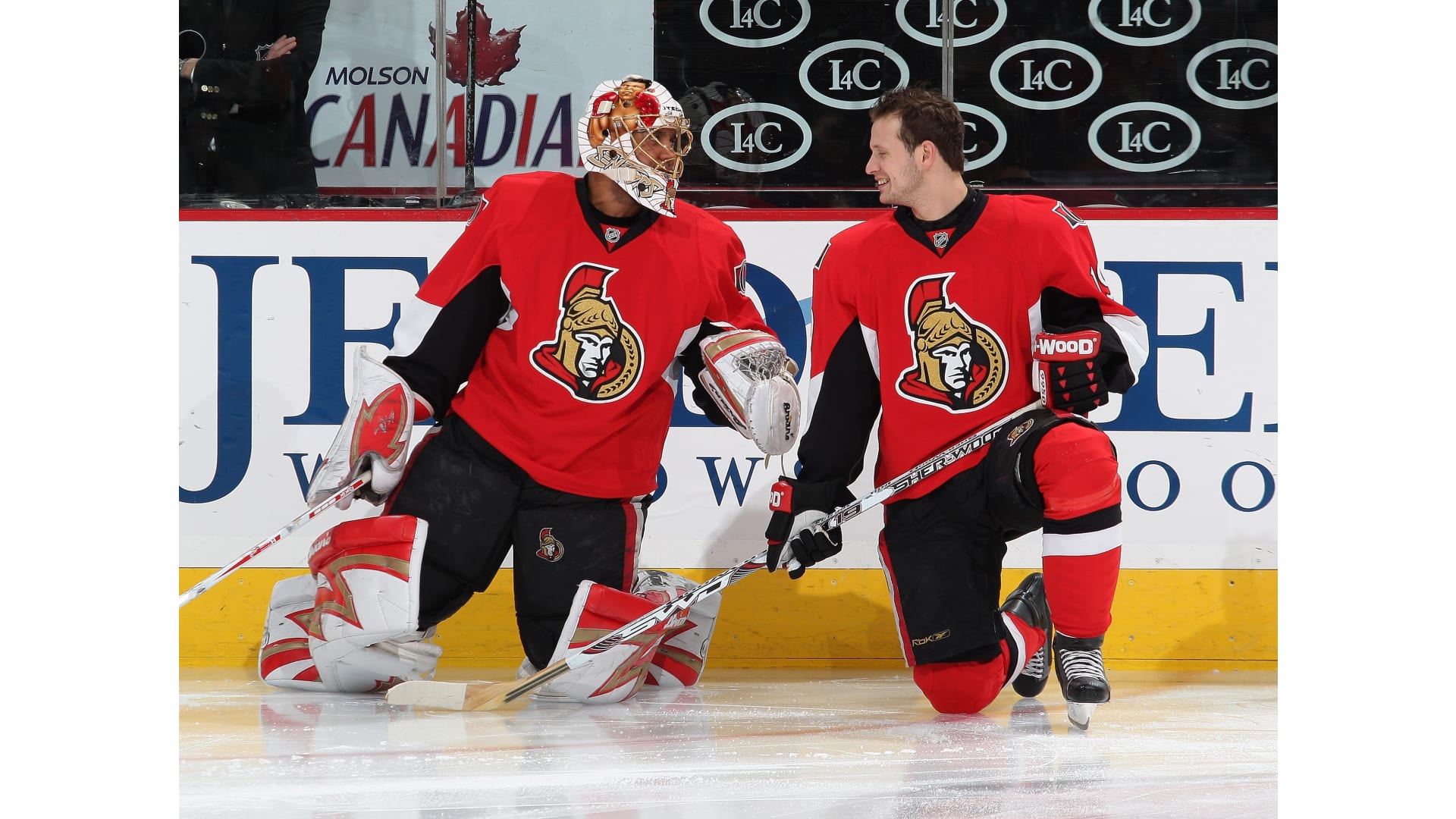
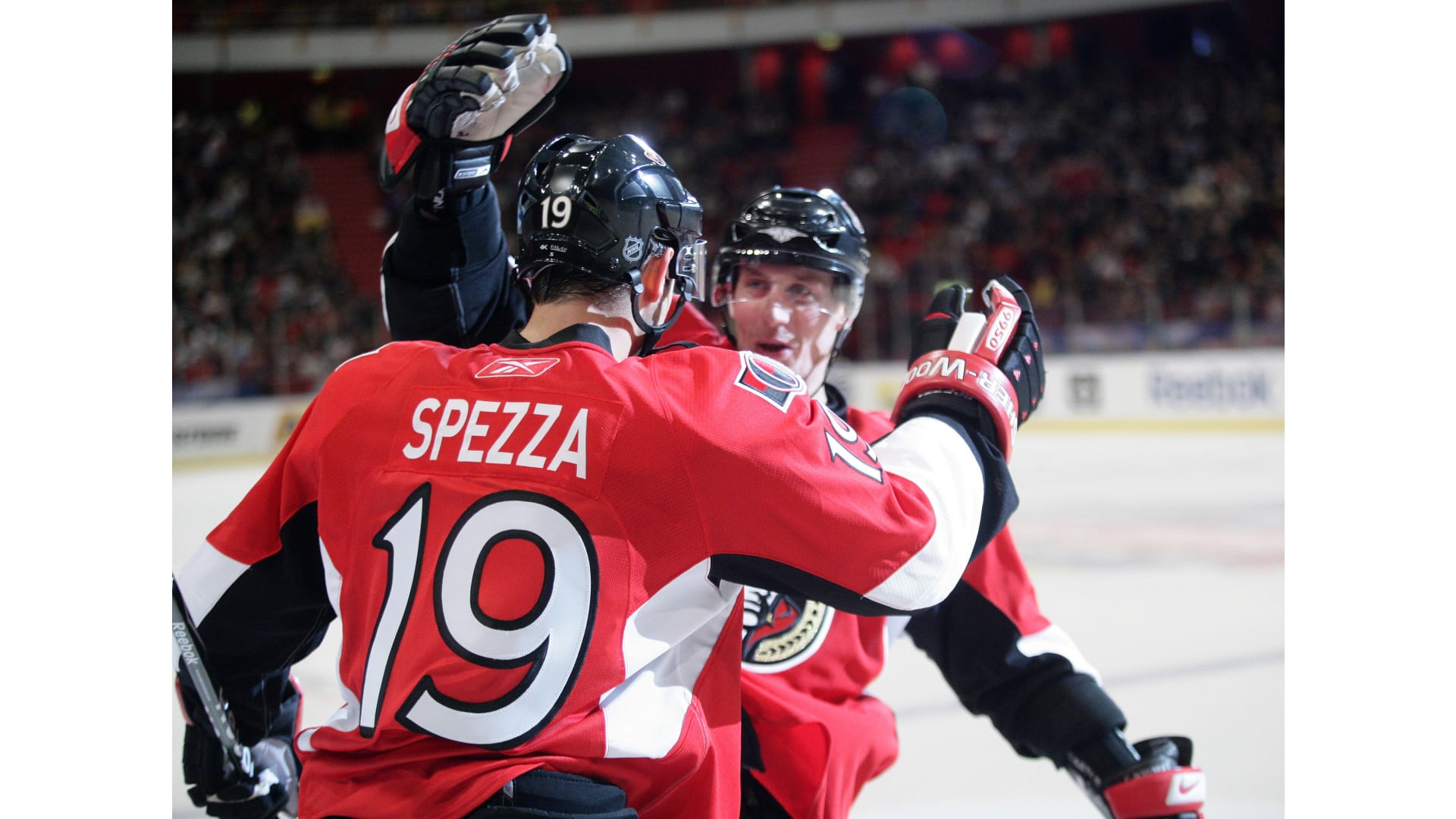
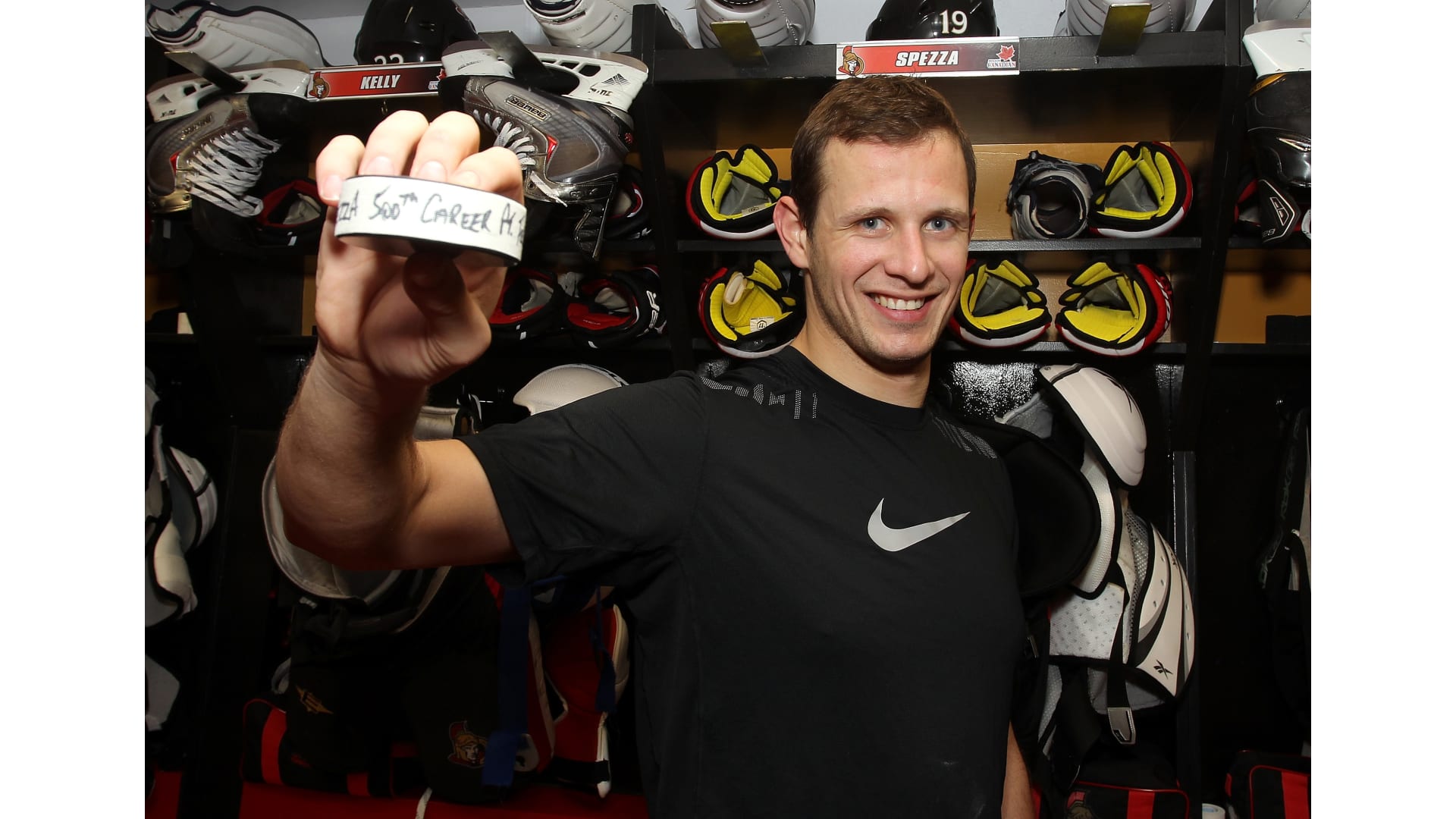
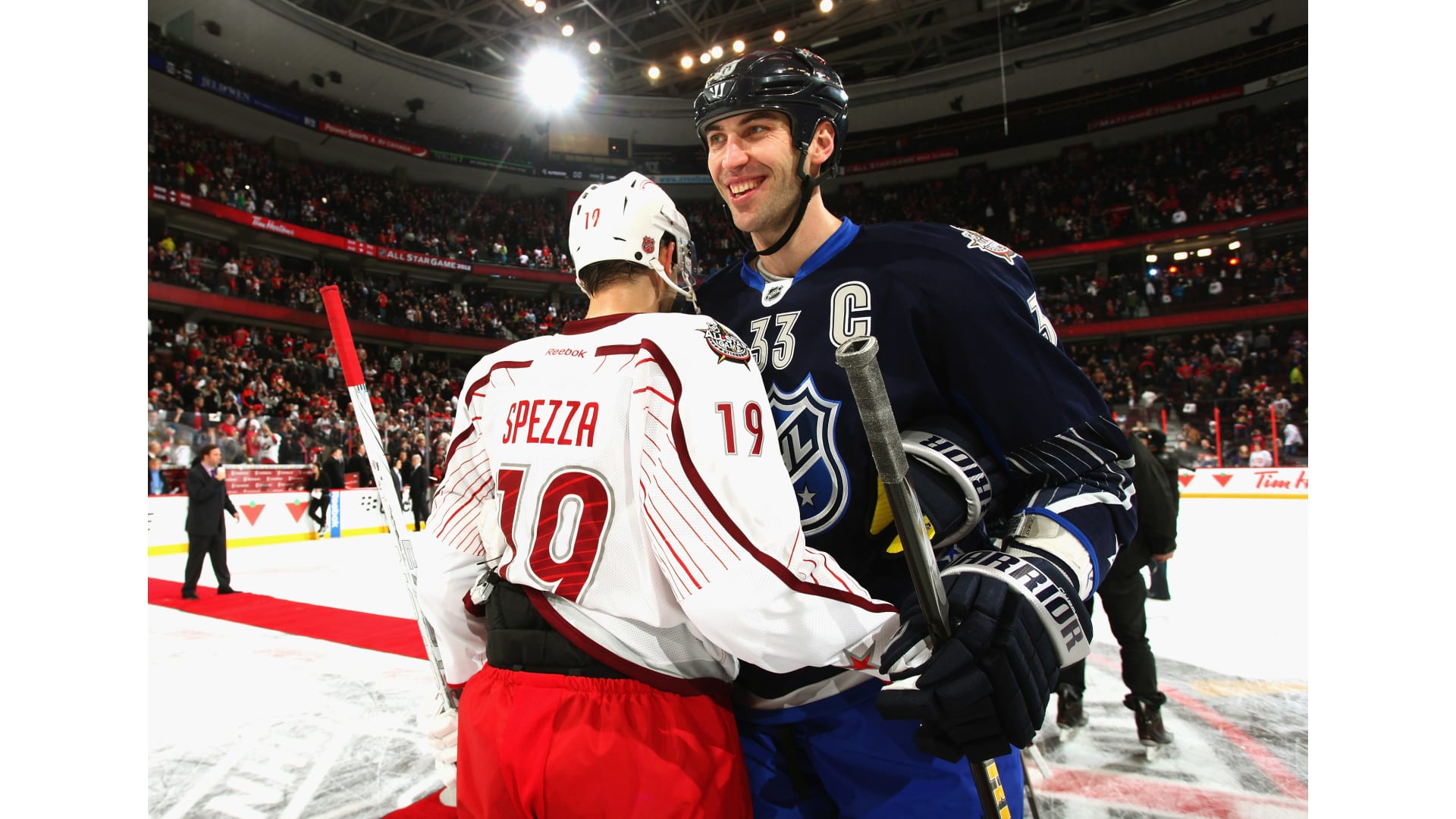
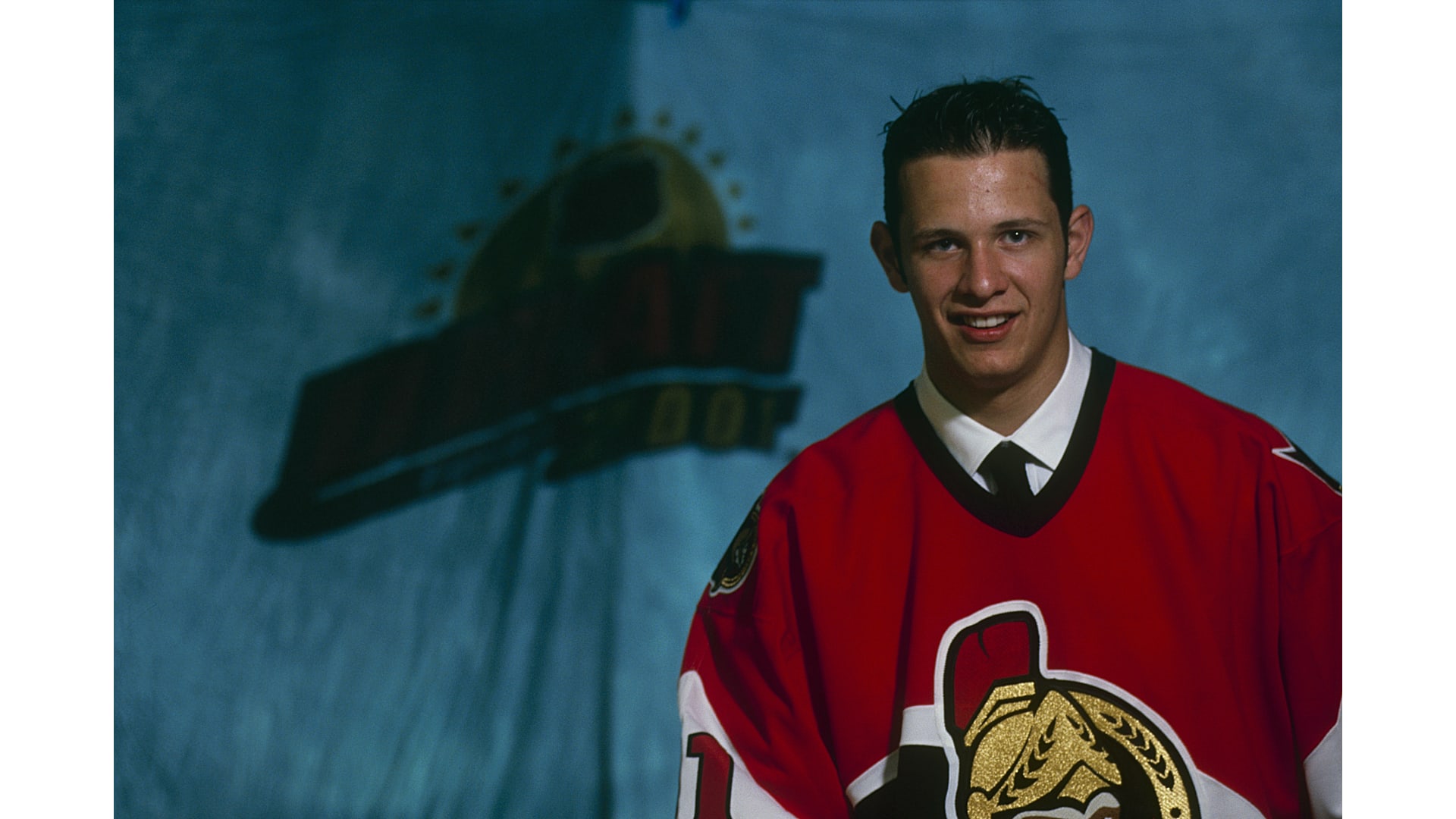
After the Atlanta Thrashers nabbed Russian phenom Ilya Kovalchuk with the first pick, there was no debate about which way the Senators were leaning for the second. The future of the franchise would rest on the shoulders of Jason Spezza.

“Maybe the arrival of that future next season is a little much to expect. Maybe not,” wrote Gare Joyce in the Sunday edition of the Ottawa Citizen the next day.

“But when you have seen him on the ice throwing passes between the legs of defencemen to his breaking wingers, when he has envisioned plays unfolding that even veteran hockey scouts in the stands haven’t anticipated, when he has taken over games both in the open ice and along the boards, you have to remind yourself that the player designated to take the place of Alexei Yashin is still an 18-year-old.”

Waiting for the deal to be finalized was understandably tough for Johnston. Finally, though, he convinced Islanders general manager Mike Milbury to pull the trigger.

“I think it took about 20 years off my life, just waiting to get that deal done,” Johnston told Senators vice president of communications Ian Mendes in 2021, while Mendes was still with The Athletic.

Johson excitedly told Spezza’s agent and parents — leaving the 18-year-old in the dark for a few hours longer.

“When Ottawa made the trade, and I heard [it] on the draft floor, I was actually surprised, because I didn’t know,” said Spezza years later. 

“My parents and my agent knew the day before, but decided not to tell me, and in this day and age that would never happen with Twitter and Facebook and all that jazz. But back then they were able to keep it a secret from me, so it was pretty raw and shocking to me when it happened. And I was pretty excited, getting drafted by a Canadian team and so close to home.”
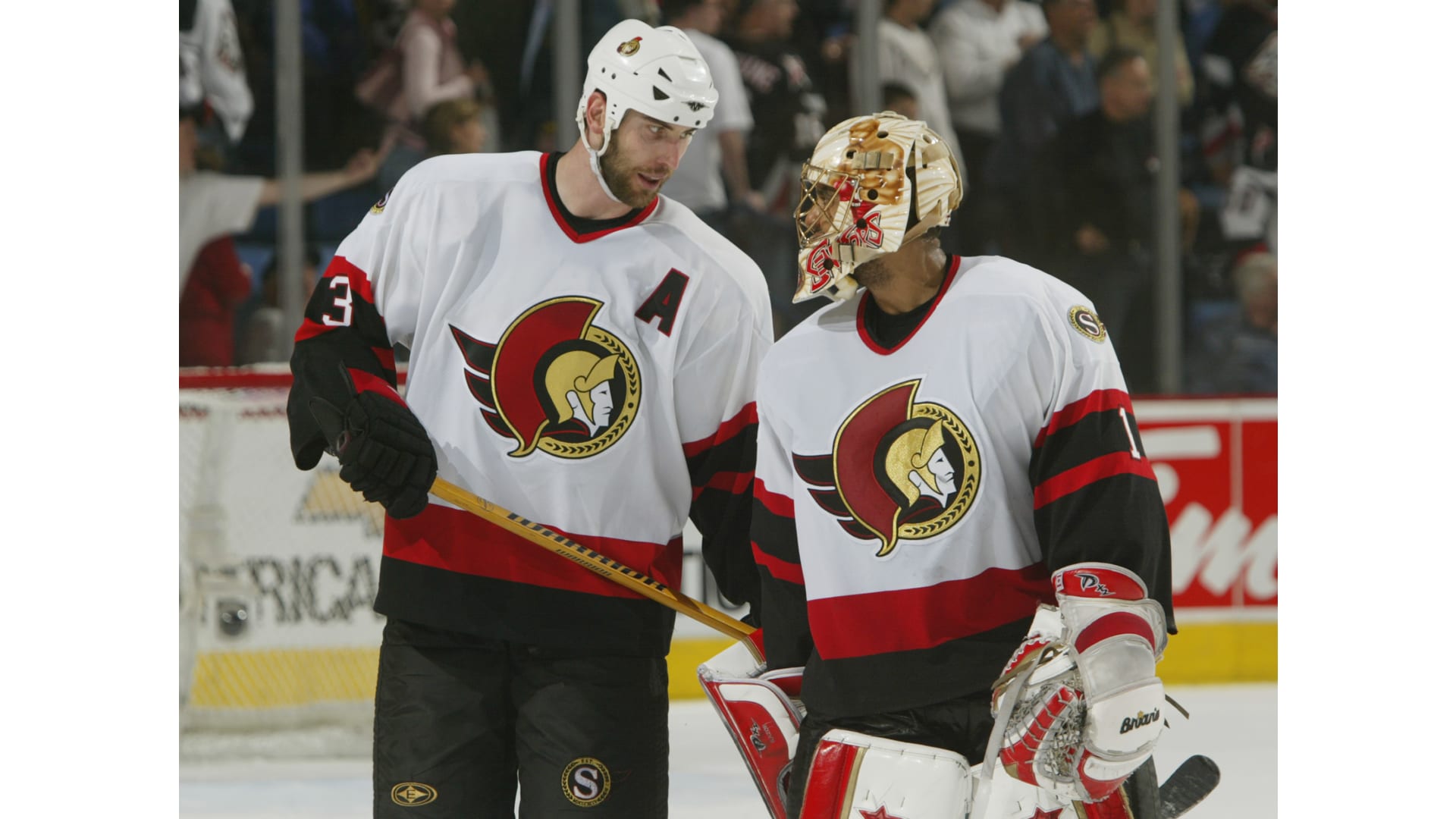
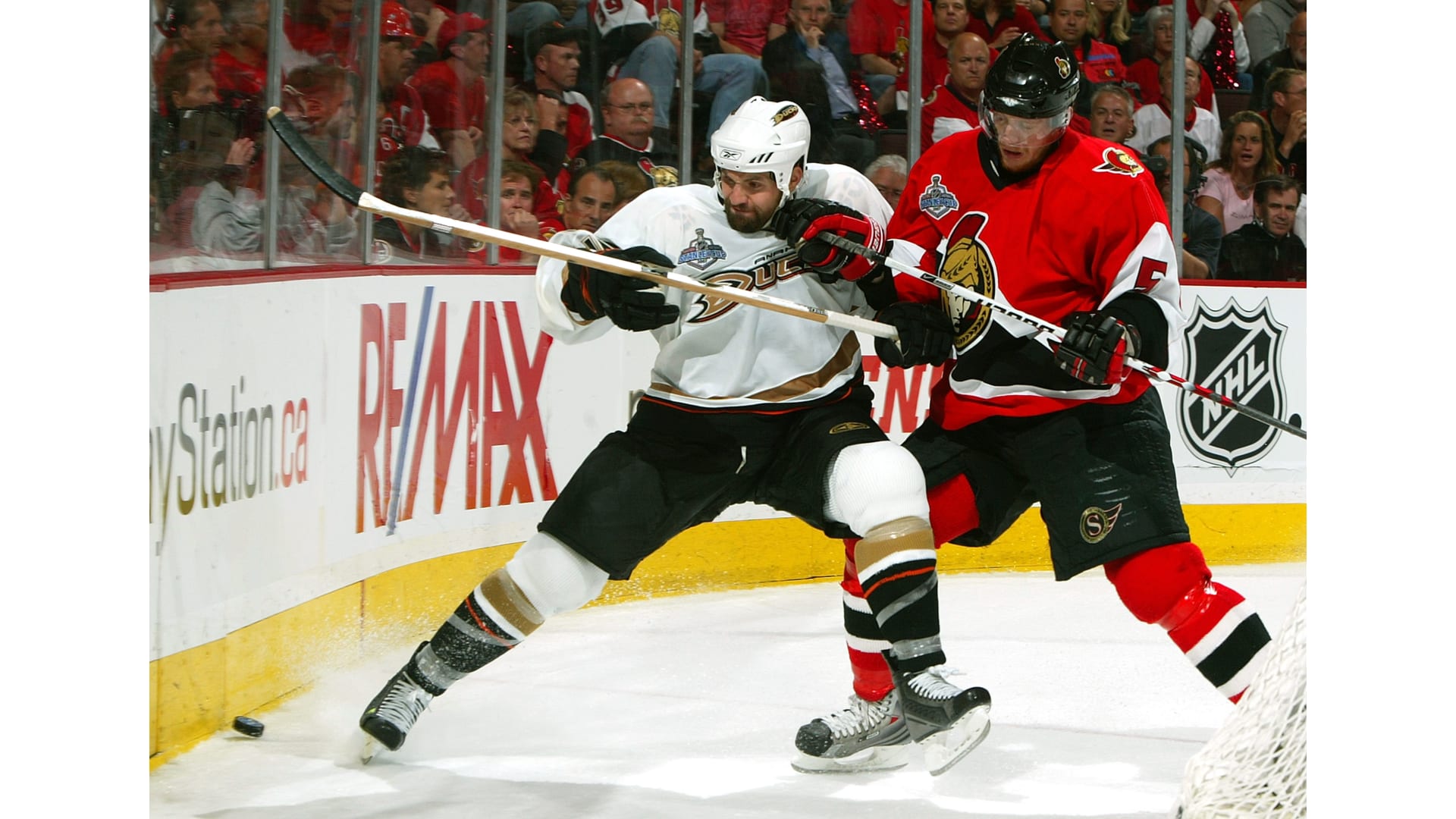
With Chara and Spezza now Senators, and Yashin’s tenure over in Ottawa, the foundation was laid for many deep playoff runs in the years to come. While Spezza was seen as the centrepiece of the deal and Chara very much an add-on, the latter surpassed expectations north of the border.

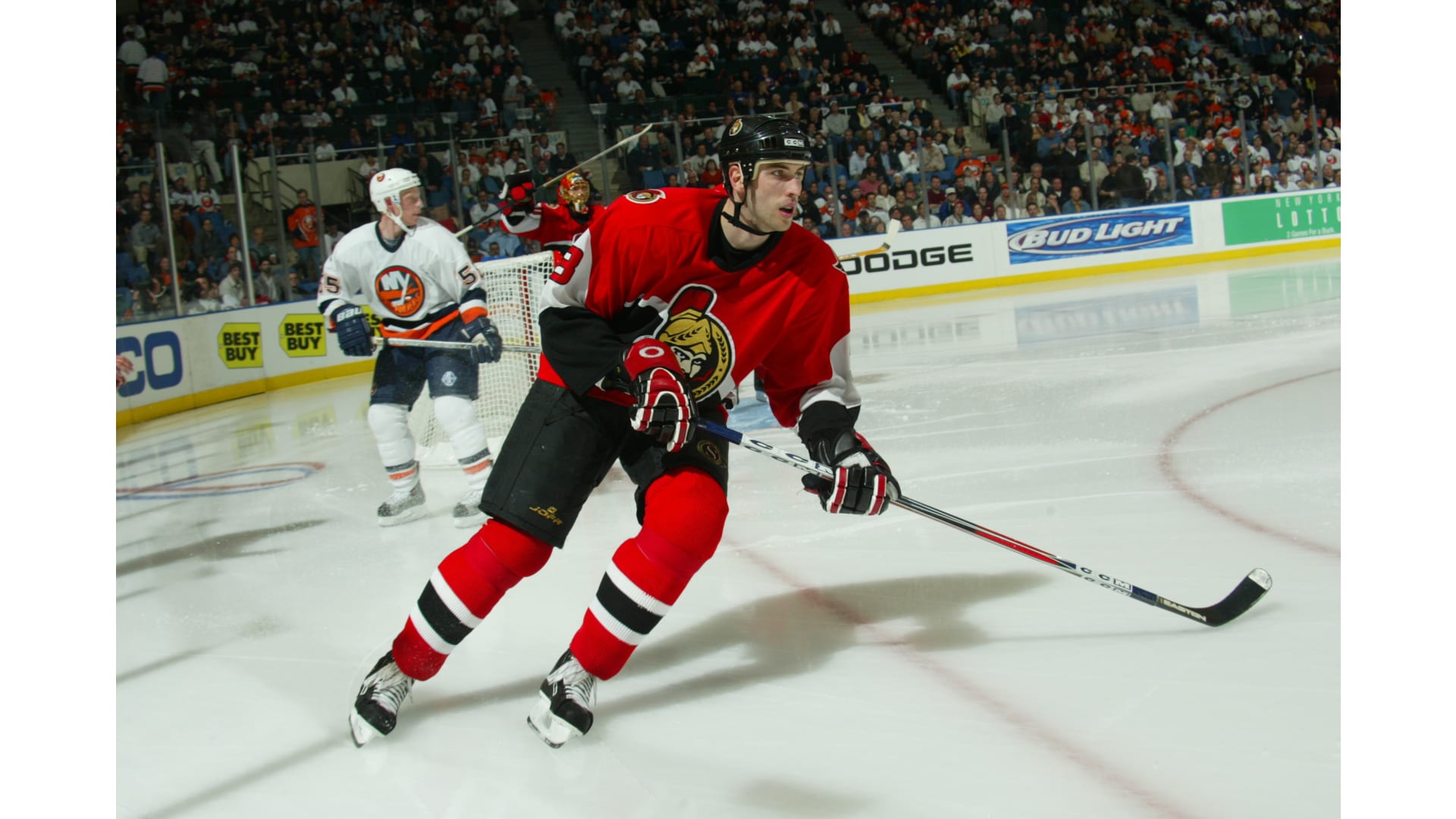
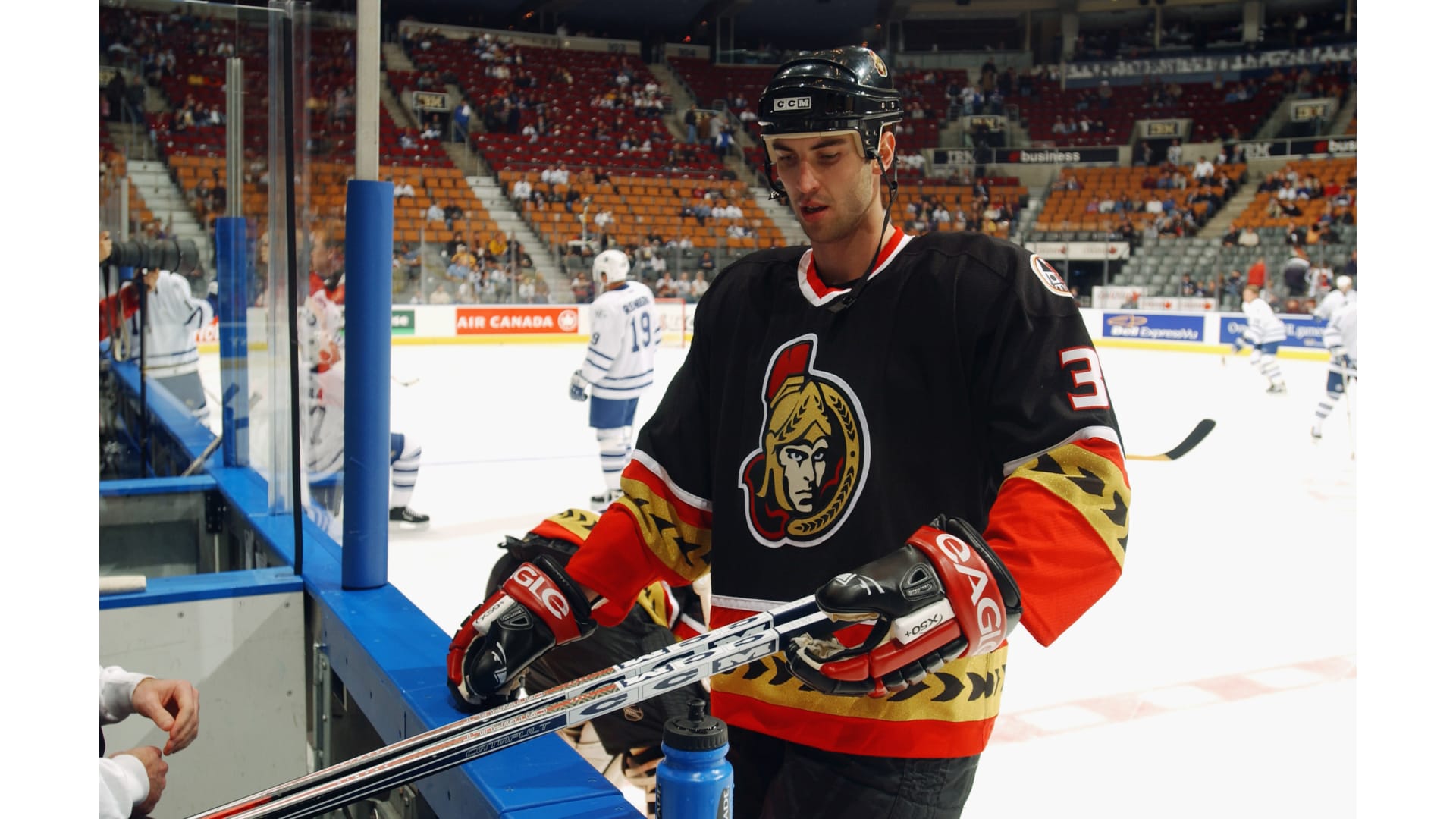
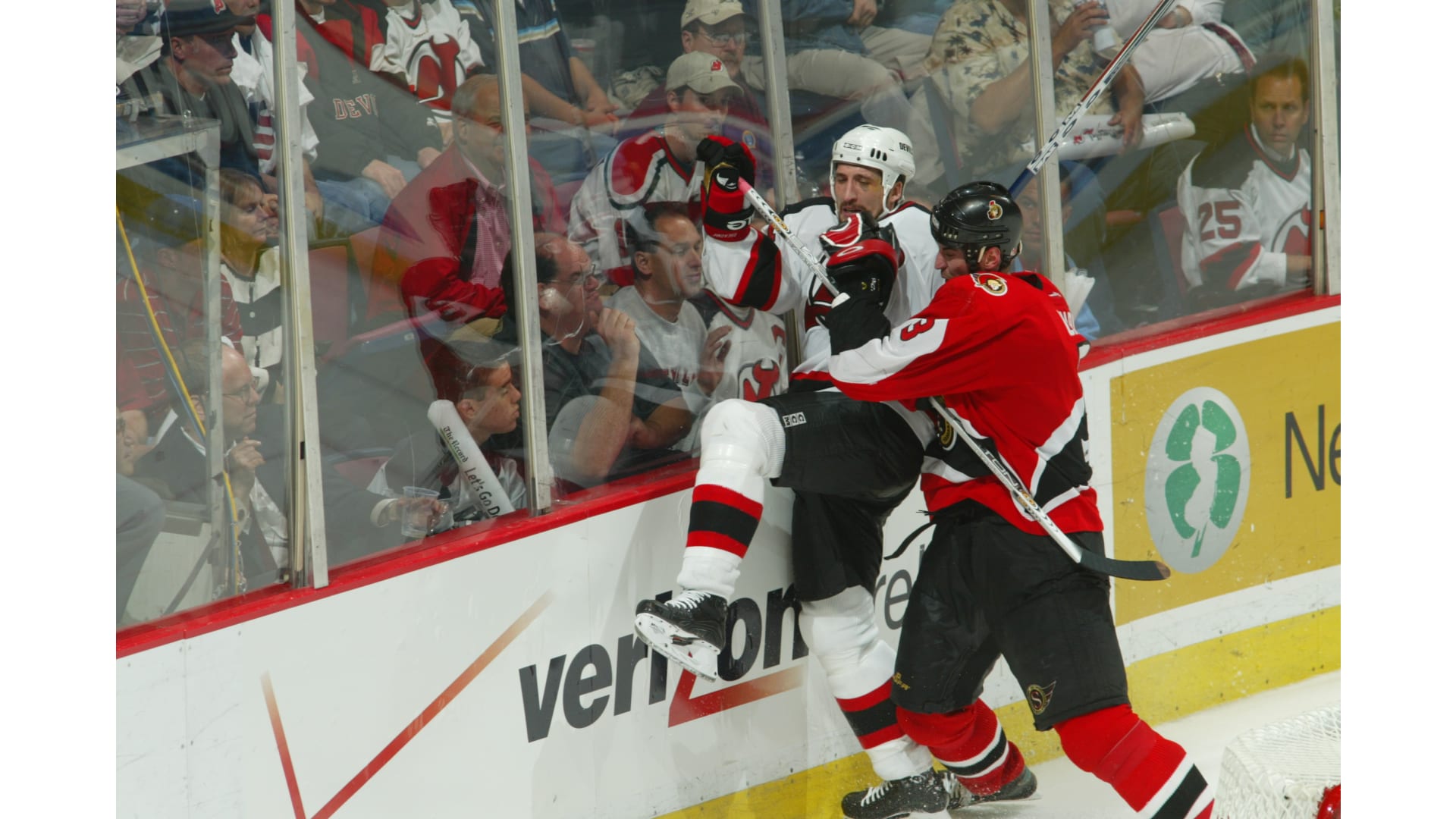
Chara, still the tallest player in NHL history, came to Ottawa with six goals and 29 assists over 231 career games as an Islander, none of those coming on the power play. “Finally, here’s a guy in a Senators sweater who just loves to hit,” wrote Ken Warren of the Citizen. “A power play quarterback he’s not.”

But over his four campaigns in Ottawa, he averaged 13 goals and 37 points per season. He also compiled 24 power play goals, behind only Wade Redden’s 28 among the team’s blueliners over that span. Some of those came via his unique usage as a netfront presence on the man advantage, a practice he’d continue at times throughout his 1680-game career.

Chara garnered James Norris Trophy votes, awarded to the league’s top defender, every season he played in Ottawa, including a second-place finish in 2004. He was earning respect across the league as not just a defensively steady behemoth, but an extremely talented marquee defender. 

With the implementation of the salary cap following the 2004–05 lockout, Chara left for Boston in 2006. He would finally win a Norris in 2009, but his four seasons in Ottawa are fondly remembered.

T\]here have been few, if any, hard, lingering feelings from Chara’s former teammates after the fact. Just a ton of appreciation for the defender he was with Ottawa,” [wrote The Athletic’s Julian McKenzie in a 2025 retrospective of Chara’s career ahead of the defenceman’s induction into the Hockey Hall of Fame.

Meanwhile, Spezza’s best years in Ottawa were just beginning after the lockout. He had compiled 22 goals and 55 points with the Sens in 2003–04 yet was still young enough to be returned to the AHL’s Binghamton Senators during the NHL’s work stoppage, where he led the league with 117 points. Spezza was awarded the Les Cunningham Award as the AHL’s Most Valuable Player, and his time in the minors was sure to be over.

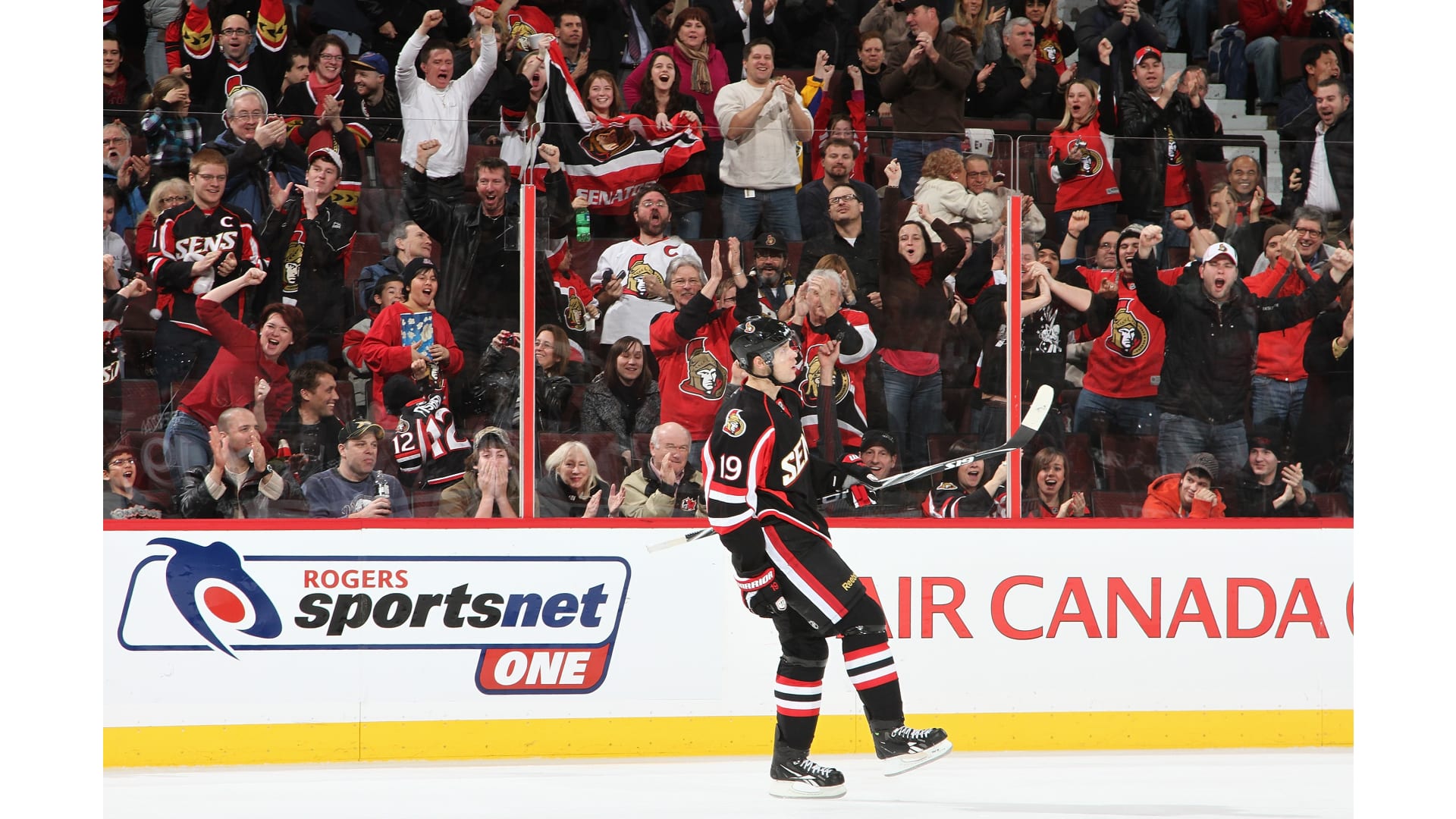
He proceeded to rack up seasons of 90, 87, and 92 points the next three seasons in the NHL, and played a large role in the team’s trip to the Stanley Cup Finals in 2007. He and his ‘Pizza Line’ linemates Dany Heatley and Daniel Alfredsson tied for the playoff lead that spring with 22 points in 20 postseason games.

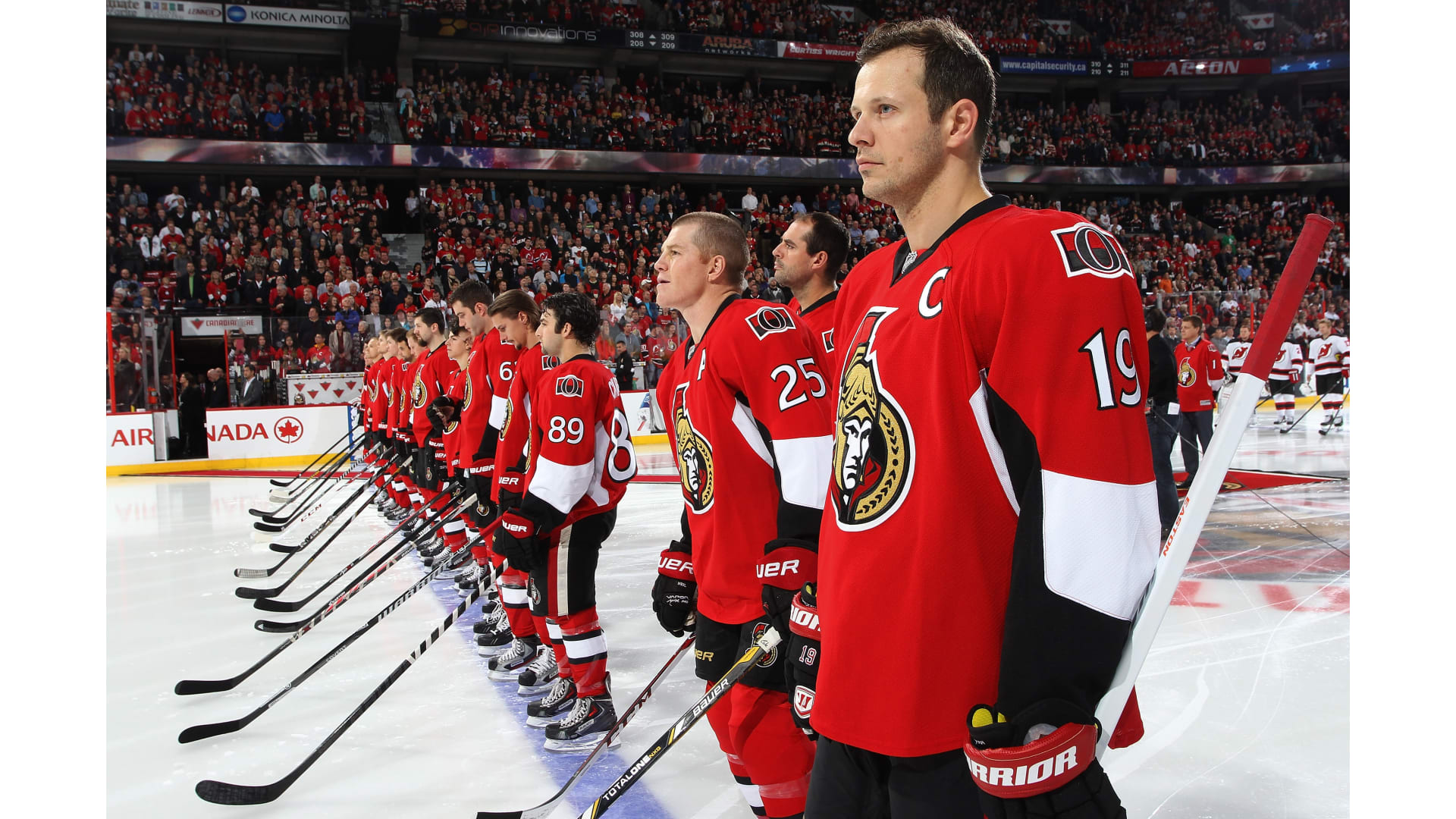
His best season, though, may have come in 2011–12, under new head coach Paul MacLean. Spezza tied a career-high with 34 goals, and finished fourth in league scoring — coincidentally, one point ahead of Kovalchuk. The sublime playmaker finished sixth place in Hart Trophy voting for his efforts.

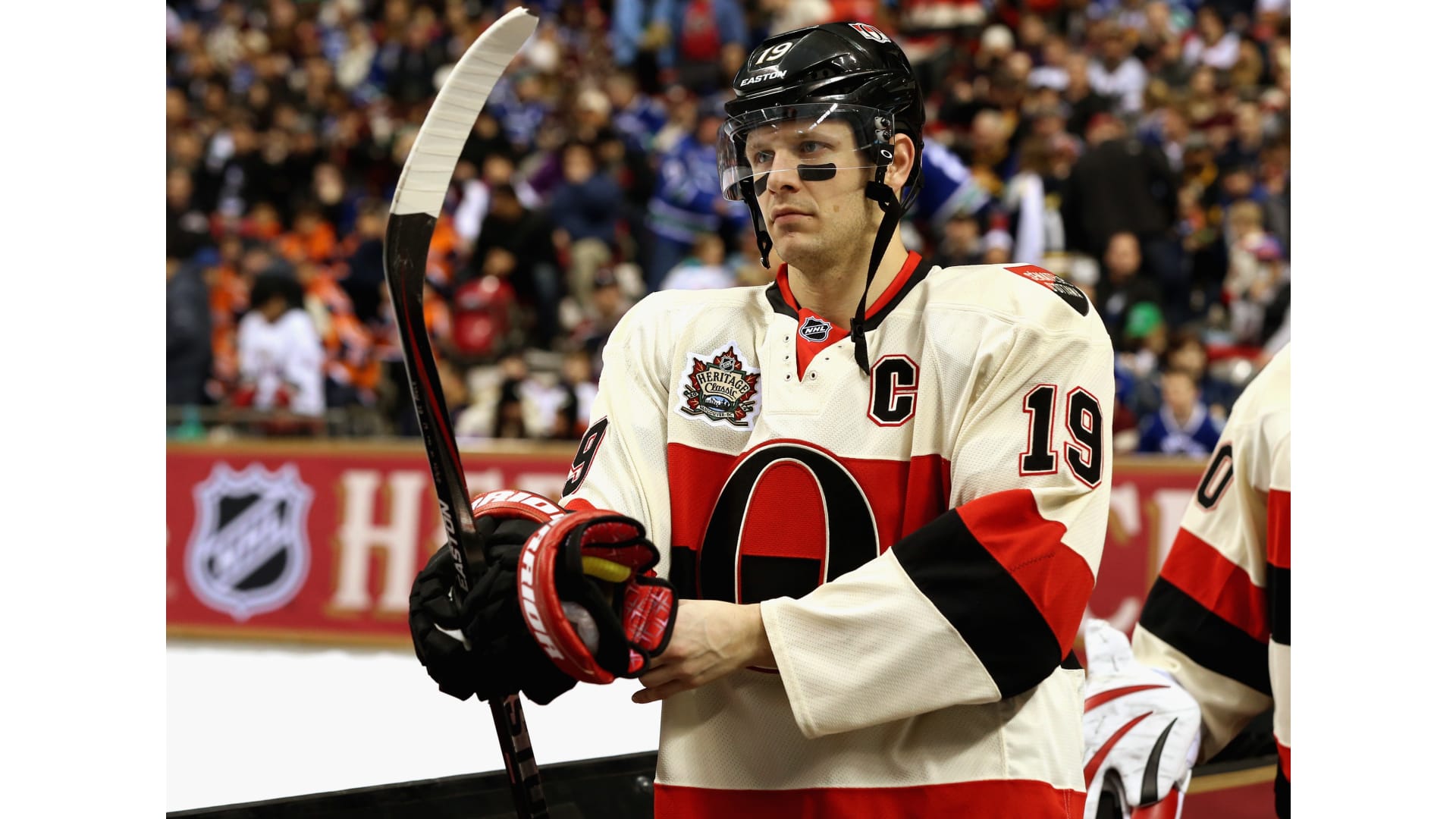
Spezza remained a Senator until the end of the 2013–14 season, when he was traded to the Dallas Stars, and still ranks second for career goals, assists, and points in the team’s record book. 

Johnston’s wheeling and dealing wasn’t finished with the acquisitions of Chara, Spezza, and Muckalt. He flipped the 27th overall pick to Philadelphia in exchange for the right to move up to select 23rd, packaging a seventh-round pick later in that draft and a 2002 second-rounder for exchange for the upgrade.

The Sens would select Windsor Spitfires defenceman Tim Gleason with that pick. Though they would eventually fail to come to terms with Gleason on an entry-level deal, his rights would be sent to Los Angeles at the 2003 trade deadline for two-way centre Bryan Smolinski, who scored 102 points over 171 games with the Sens in the regular season and added 17 more points in 35 playoff games.

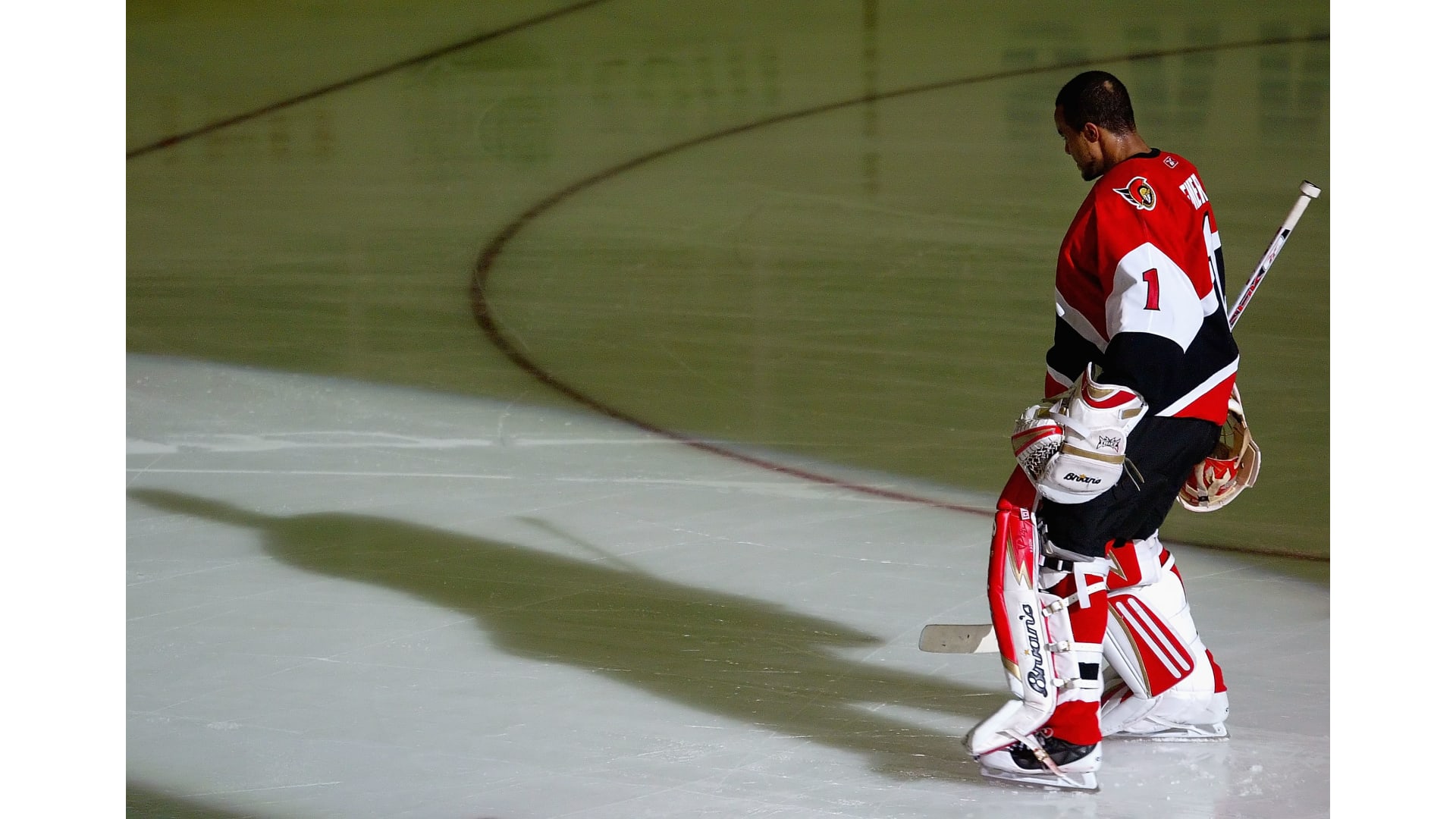
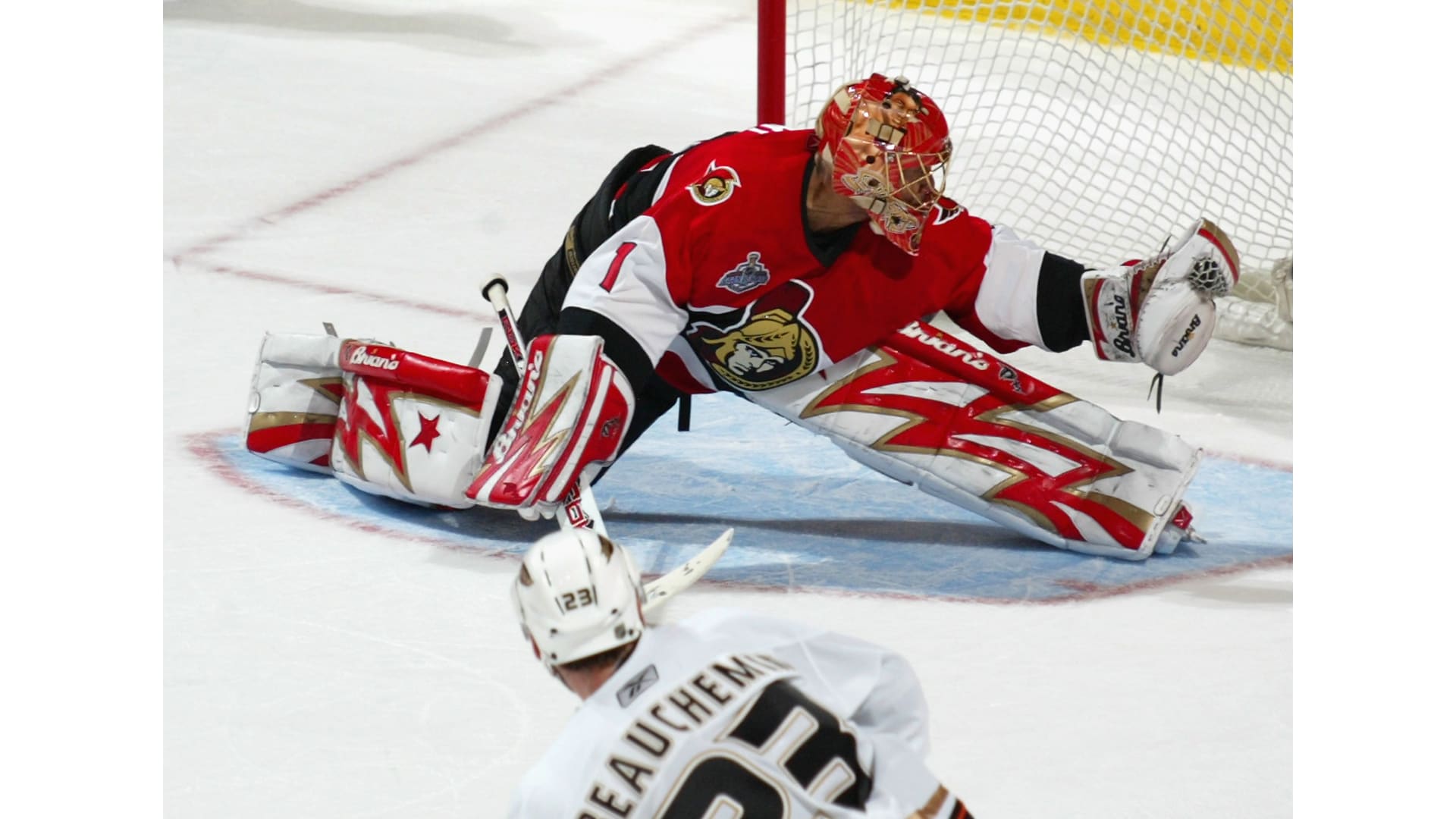
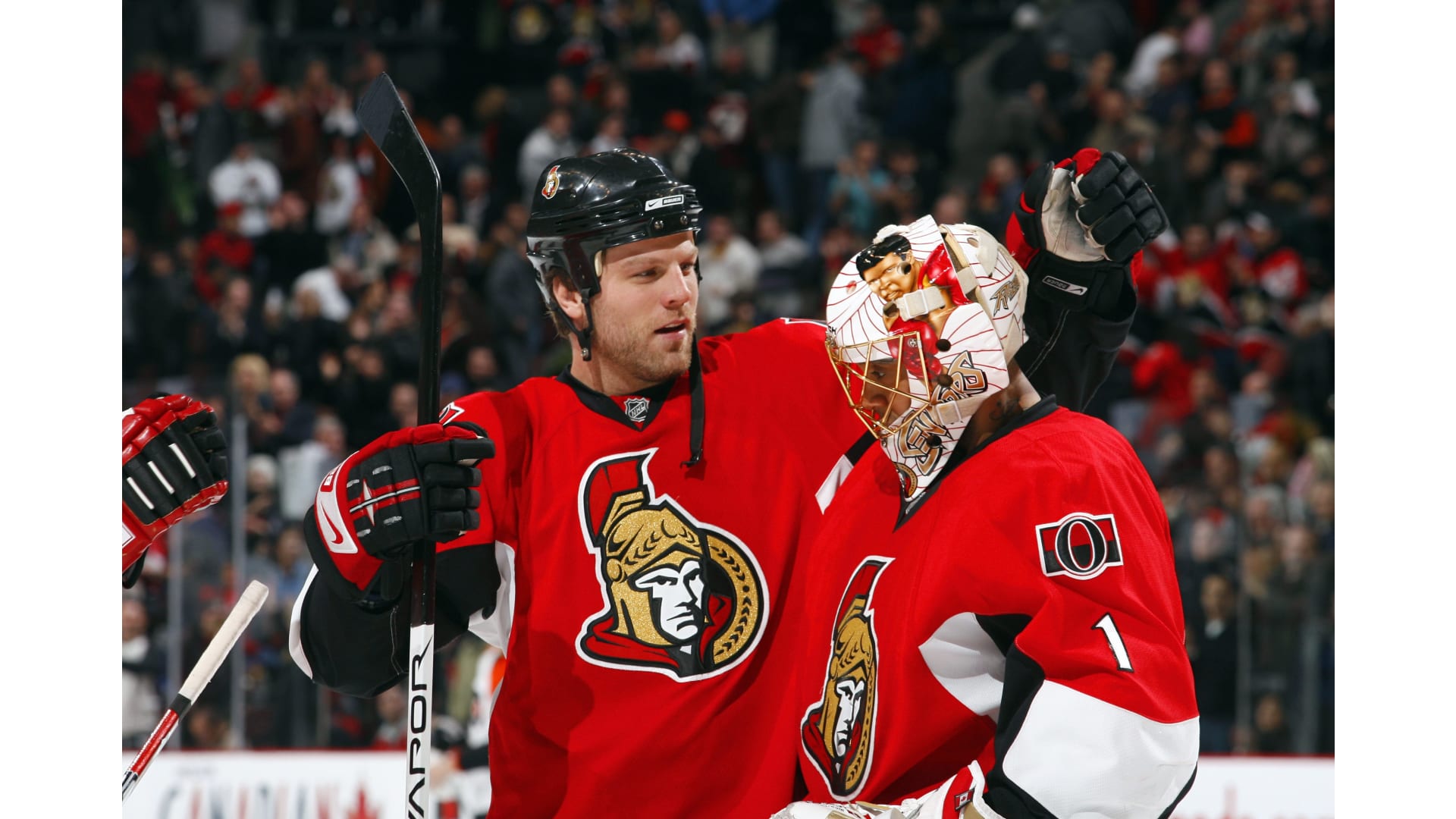
In the fourth round, the Sens would then add two other major contributors for their run to the 2007 finals. With the second pick (99th overall), they called the name of Soo Greyhounds netminder Ray Emery, who would eventually earn the CHL’s goaltender of the year nod when he returned to junior for another season in the fall.

Emery broke into the NHL on a full-time basis after the lockout, setting a league record with nine straight wins to begin his career. After starter Dominik Hasek was injured at the Turin Olympics, he even got into 10 playoff games in the spring of 2006, but was unable to lead the Sens over Buffalo in their second round matchup.

His best season with Ottawa came the following year, 2006–07, when he played 58 games in the regular season and 20 more in the playoffs, backstopping the Sens all the way to the finals.

“No matter how he played in the final series against the Anaheim Ducks, the 24-year-old did wrest the No. 1 job from Martin Gerber and he did play well enough to get the Senators into the final. That’s something no other goalie for this franchise was ever able to do,” wrote Allen Panzeri in the Citizen that June.

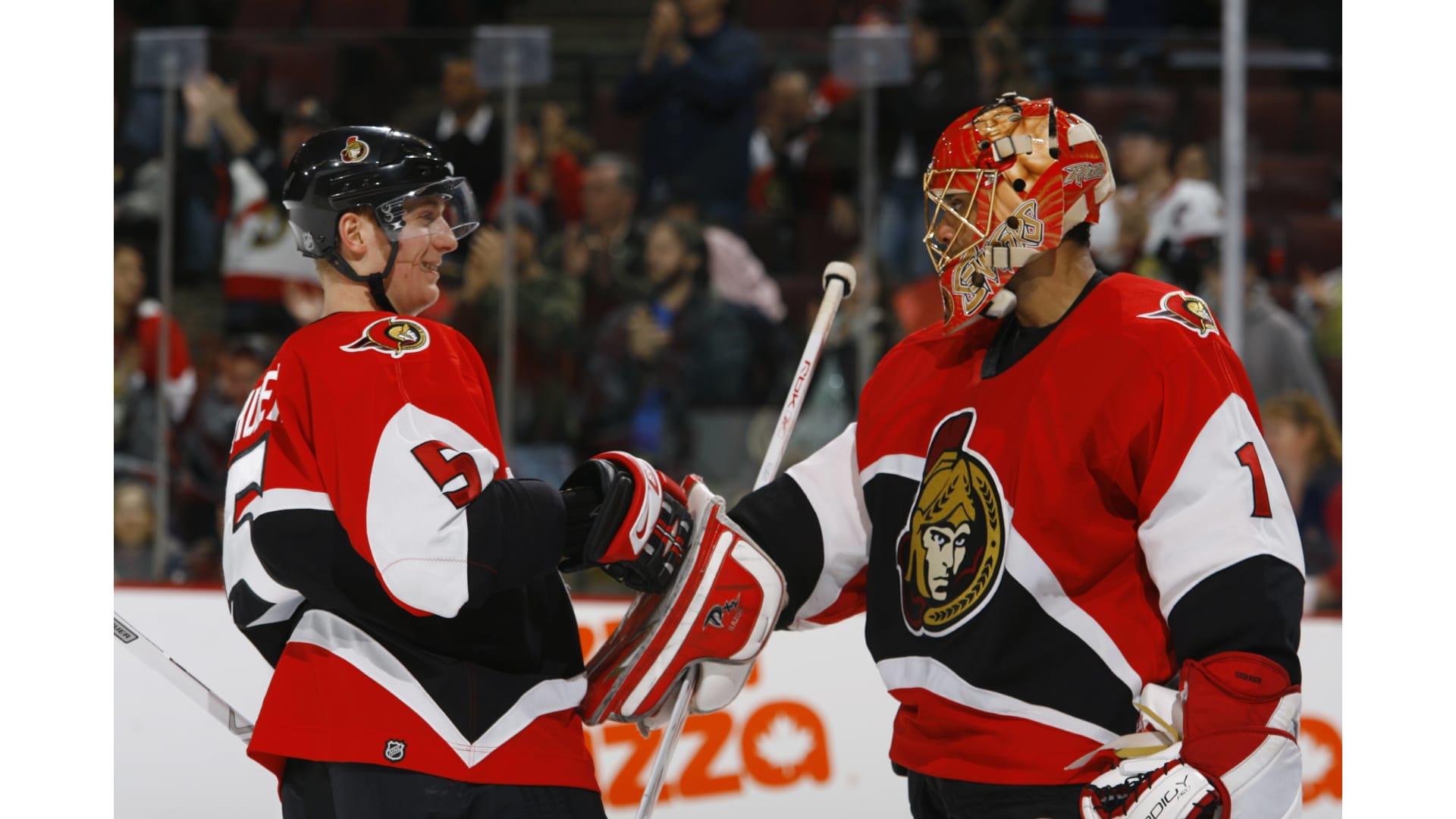
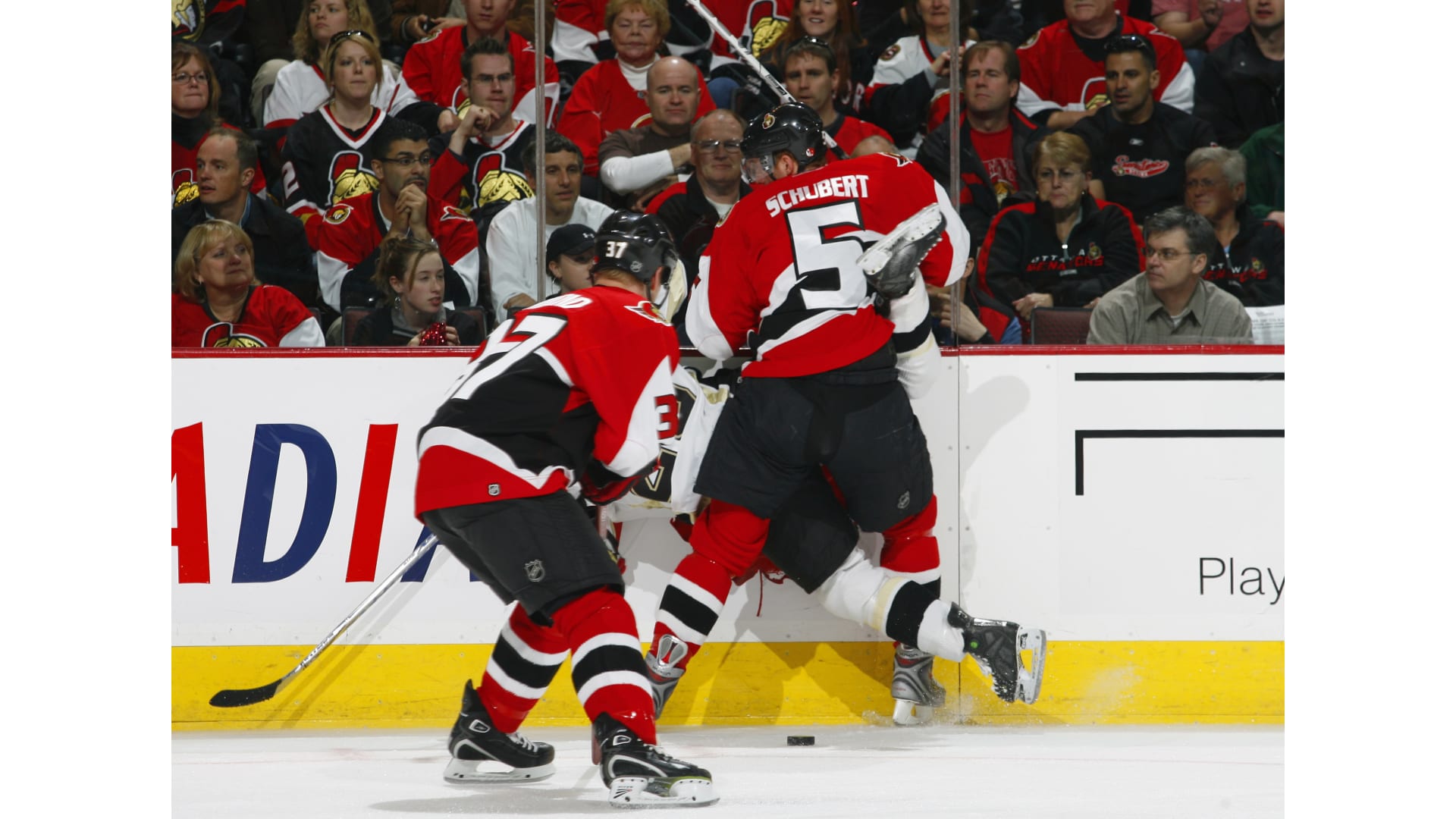
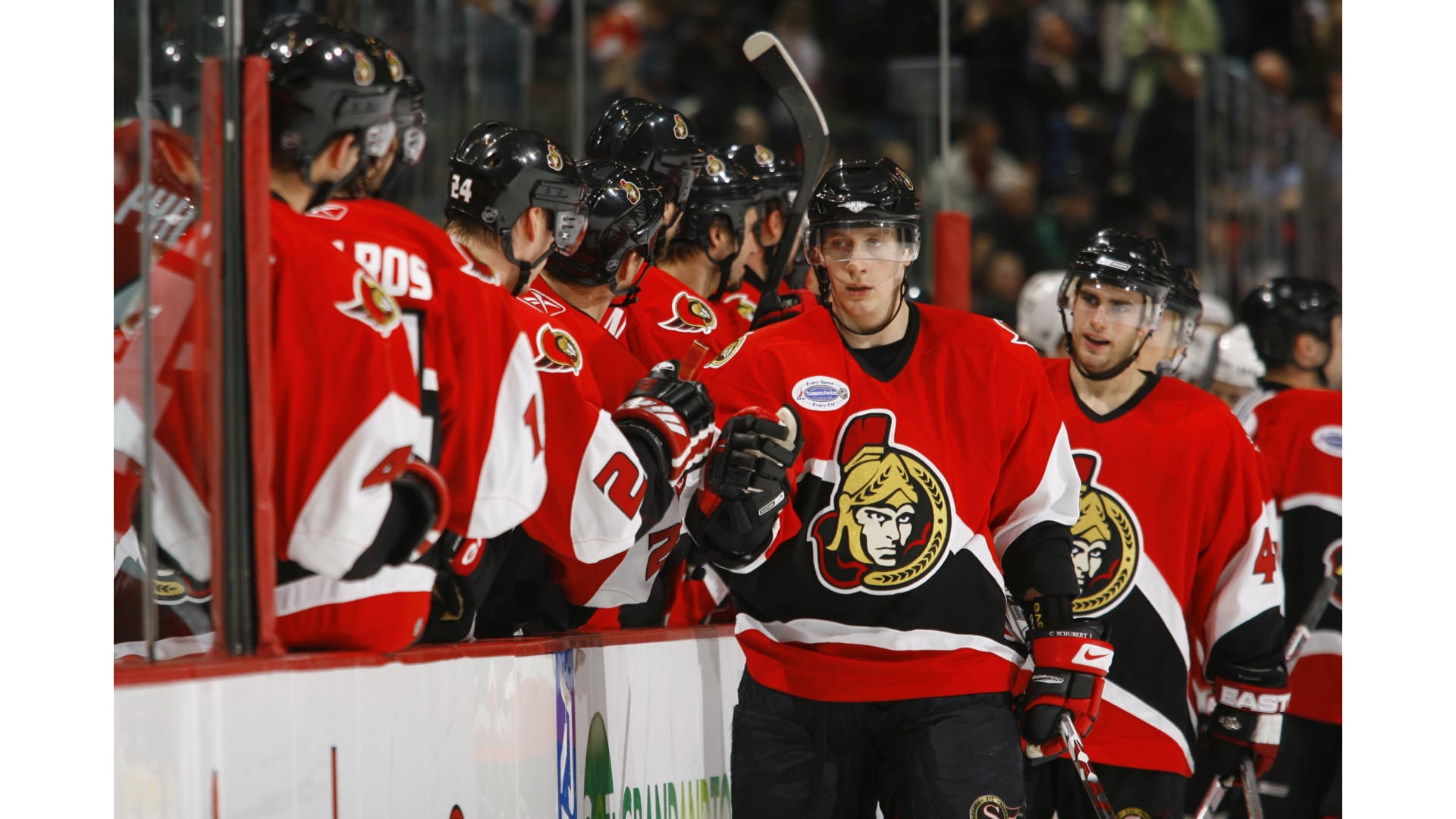
With the 127th pick, the fourth-last of the fourth round, they nabbed rangy German defender Christoph Schubert, who had spent the past three seasons playing pro in his home country.

Schubert progressed his all-around game over three seasons with Binghamton in the AHL and earned a full-time job on the Sens’ blueline after the 2005–06 lockout.

With Wade Redden, Chris Phillips, and Andrej Meszaros in front of him on the depth chart on the left side of the Senators blueline in those years, Schubert was even deployed at forward at times during his 268-game tenure with the Sens, most notably during the 2007 Stanley Cup finals run.

The Senators also picked Brooks Laich (who ended up playing 776 NHL games) in the sixth round, flipping the hard-nosed centre to Washington at the 2004 trade deadline in exchange for Peter Bondra. 

Then, they grabbed Brandon Bochenski (156 NHL games) in the seventh round, who was sent to Chicago at the 2006 trade deadline in exchange for Tyler Arnason. They also picked Finnish winger Toni Dahlman in the ninth round, who played 24 NHL games with the Senators before returning overseas.

All in all, the 3,531 NHL games played by the draft class stand as the most in franchise history — but more important was the impact that Spezza, Chara, Emery, and Schubert had on the team’s playoff runs in the mid-2000s.

Visit the Senators website: www.ottawasenators.com

Engage with the Senators on X: @Senators

Like the Senators on Facebook: www.facebook.com/ottawasenators

Follow the Senators on Instagram: senators